Ambani in Seoul: A Himalayan Clash of Titans Reshaping the Global Tech and Telecom Landscape
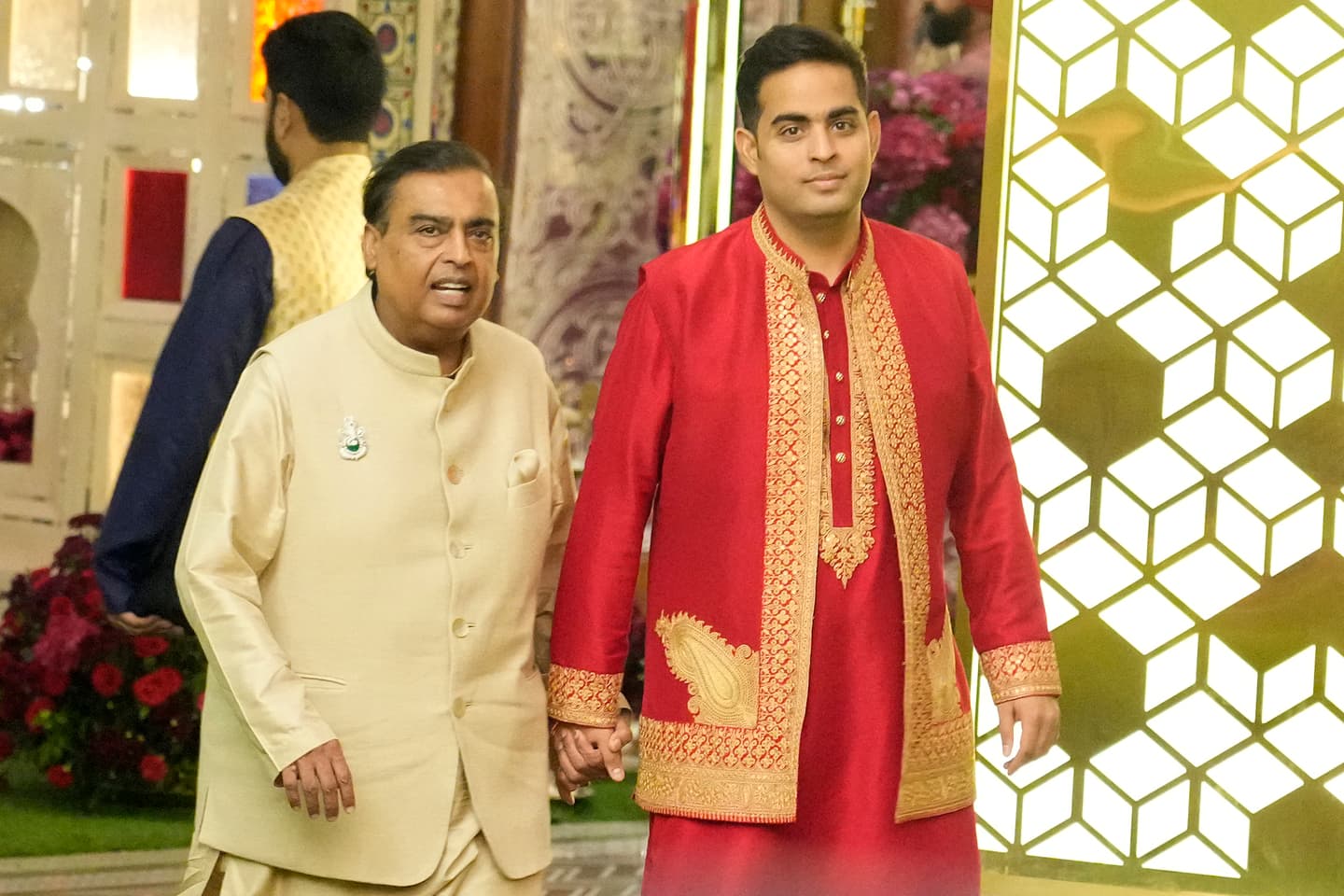
"Mukesh Ambani, the Indian magnate, has landed in Seoul, setting the stage for a critical summit with Samsung's Lee Jae-yong. This isn't just a courtesy visit; it's a strategic gambit in a high-stakes game for dominance in 5G, AI, and the increasingly intertwined worlds of consumer electronics and digital services. Expect seismic shifts in partnerships, market share, and geopolitical influence in the coming years."
Key Takeaways
- •A potential alliance between Reliance Jio and Samsung to revolutionize the Indian telecom and digital services market.
- •The meeting symbolizes a shift towards ecosystem-building and the convergence of hardware, software, and content.
- •The alliance has the potential to reshape the global industry and shift geopolitical power.
The crisp Seoul air held a palpable tension, a quiet hum of anticipation that crackled through the immaculate streets surrounding the Samsung headquarters. The arrival of Mukesh Ambani, the Indian billionaire and chairman of Reliance Industries, wasn't just another international visit; it was the convergence of two tectonic plates, each representing a colossus in their own right, colliding on the global stage. This wasn't a casual coffee; this was a summit – a strategic dance of power, ambition, and the relentless pursuit of technological supremacy.
The Lede: Arrival of the Titans
The sleek, black Maybach, its tinted windows obscuring its precious cargo, glided through the controlled chaos of the South Korean capital. Inside, Mukesh Ambani, a man who built his empire on audacious bets and relentless execution, prepared for a face-to-face meeting with Lee Jae-yong, the de facto leader of Samsung Electronics. The air inside the car likely buzzed with strategic calculations, the weight of billions, and the pressure to secure a future in an industry undergoing a radical transformation. This was not a meeting of equals; this was a power negotiation, a chess match where the stakes were nothing less than the future of digital connectivity and the very fabric of how we live.
Ambani's Reliance Industries, through its telecom arm Jio, has already revolutionized the Indian market, becoming a disruptive force in mobile data and digital services. Lee, meanwhile, oversees a Samsung empire that dominates the global smartphone market and is at the forefront of crucial technologies like 5G and semiconductors. The meeting was a whisper turned roar across the industry, immediately sparking speculation: What deals, what alliances, and what potential betrayals were in the offing? The world held its breath.
The Context: From Dhirubhai to Digital Domination
To understand the magnitude of this encounter, we must rewind to the origins of these empires. Mukesh Ambani inherited the mantle from his father, the visionary Dhirubhai Ambani, who built Reliance from a textile company into one of India’s largest conglomerates. Dhirubhai, a master strategist, understood the power of vertical integration and the importance of anticipating future trends. He famously disrupted the Indian market with his polyester revolution, a move that echoed through the decades. Now, his son Mukesh is poised to execute a similar play, but on a global scale, playing in the ultra competitive digital landscape.
Lee Jae-yong, on the other hand, is the scion of a dynasty. Samsung, a company built on a culture of relentless innovation and unwavering discipline, has become a global powerhouse. His inheritance is a legacy, forged in semiconductors, TVs, and mobile phones, now reaching into artificial intelligence and beyond. Samsung's journey from a low-cost manufacturer to a technological leader has been nothing short of extraordinary. The pressure to maintain this dominance is immense. Lee is fighting to remain at the apex of global tech, a position that requires constant adaptation and strategic foresight.
The paths of Ambani and Lee crossed long before this Seoul rendezvous. Both have been eyeing each other, sensing the potential synergies and the inherent threats. Reliance Jio, with its massive subscriber base and ambitions in everything from e-commerce to streaming services, needs cutting-edge technology and access to global markets. Samsung, struggling to maintain its lead in a cutthroat market, needs allies who are agile, aggressive, and have their eyes on the prize. The meeting was the culmination of these converging needs.
The Core Analysis: Deals, Dollars, and Destinies
The heart of the matter lies in 5G, AI, and the convergence of digital services. Reliance Jio has already built a massive 4G network and is eager to deploy 5G. Samsung, a leader in 5G technology, could be a key partner. The potential for a strategic alliance is clear: Samsung provides the infrastructure, Jio provides the market. This scenario has the potential to reshape the telecom landscape in India, creating a formidable force that could challenge existing players like Airtel and Vodafone Idea. The deal would be a devastating blow to competitors if the relationship strengthens over time.
But the calculus goes beyond just 5G. Ambani is aggressively expanding into areas like e-commerce, cloud computing, and content creation. Samsung, with its diverse portfolio of products and services, could be a key ally in these areas as well. Imagine a partnership that bundles Jio's services with Samsung's hardware – smartphones, smart TVs, and other devices – creating a comprehensive ecosystem that locks in consumers and drives revenue. The details of the deal will be crucial. What are the terms of the financial agreement? What are the implications for intellectual property? What specific areas of collaboration are on the table?
There are potential stumbling blocks. The meeting would involve some intense negotiations, with the potential for clashes of personalities and strategic visions. Both men are known for their sharp negotiating skills. There may also be governmental considerations. South Korean and Indian government regulations and policies will have to be navigated. Each side will want to protect its interests and extract maximum value from the partnership.
Here are some of the key players that could be affected by a deal:
- Samsung: A successful alliance with Jio could boost Samsung's global market share, particularly in smartphones.
- Reliance Jio: Gaining access to Samsung's technologies can help with deployment of its 5G network.
- Existing Telecom Operators: They face an even greater threat from Reliance Jio, who will become even more powerful if it partners with Samsung.
- Consumers: The deal could lead to cheaper services and better devices, but it could also reduce competition.
The "Macro" View: Reshaping the Global Industry
This meeting is a microcosm of a larger trend: the increasing convergence of technology, telecom, and digital services. The boundaries between hardware, software, and content are blurring. Companies are racing to create ecosystems that offer consumers a complete digital experience. This is a game of winner-take-all, and the stakes are enormous.
The potential alliance between Ambani and Lee is a powerful message to the industry. It signals that smaller, more specialized companies must either partner with the titans or risk being marginalized. It's a sign that the old rules no longer apply. This is a new era, dominated by behemoths that control the full spectrum of digital life.
Geopolitics are also at play. India, with its massive population and growing economy, is becoming a key battleground for technological supremacy. A successful partnership could strengthen India's technological infrastructure and reduce its dependence on foreign suppliers. It could also give India a greater voice in global technological standards and policies.
This situation echoes the rise of Apple in the late 1990s. Then, Steve Jobs returned to Apple, recognizing that hardware and software had to be designed together for Apple to truly take the lead, and so it did. Today, we are seeing a similar shift, with companies recognizing the strategic advantage of creating their own holistic ecosystems. A successful partnership would ensure both Ambani and Lee are on the cutting edge of this evolution.
The Verdict: The Next Decade and Beyond
The meeting between Mukesh Ambani and Lee Jae-yong marks a pivotal moment in the global tech and telecom landscape. It's a high-stakes power play with the potential to reshape industries, alter market dynamics, and shift the balance of geopolitical influence. My prediction is that a deal will be struck, and in the next year, we will see initial collaborations around 5G deployment, product bundling, and content partnerships. Within five years, this alliance will transform the Indian market and influence global technology trends. Within ten years, the legacy of this deal will resonate throughout the industry, setting the tone for a world where connectivity, content, and devices are seamlessly integrated.
The deal will involve calculated risks. There's always the possibility of a disagreement that could derail the partnership. Samsung might find Reliance to be a difficult partner. Yet, the strategic benefits of partnership will be irresistible. Both men, driven by ambition and vision, are likely to find a way to make it work. The only question is how quickly.
This is not just about technology; it's about control, influence, and the relentless pursuit of a future where digital services are at the heart of our lives. This meeting is not a culmination; it's a beginning. The next chapter has just begun, and the world will be watching.
Sources & further reading
Related analysis
- Amazon's Ascent: Navigating the Tides of Triumph – A Veteran's Guide to Playing the Stock
- Silicon Valley's Red Flag: Laura Loomer's Nvidia Assault – Is Jensen Huang's China Connection the Next Tech Scandal?
- Microsoft's Masterstroke: Why Wall Street Is Blind to the True Value of MSFT (And Why That's Their Advantage)
- Data Center Gold Rush: Why Infrastructure Construction Stocks Are the Only Game in Town
- Nomura's Walmart Exit: A Canary in the Coal Mine for Retail's Future?
- Jabil's AI Infrastructure Gamble: A High-Stakes Bet on the Future or a Mirage of Growth?