Zuckerberg Before the Senate: A Show Trial or the Beginning of the End for Meta's Reign?
"The Senate Judiciary Committee summons Mark Zuckerberg to face the music. This isn't just about PR; it's a high-stakes power play with implications for the future of social media, digital advertising, and the very fabric of our public discourse. The hearing is a calculated dance, exposing the vulnerabilities of a tech titan as Washington begins to take back control."
Key Takeaways
- •The Senate hearing signifies a major shift in power dynamics, with increased regulatory scrutiny of social media giants.
- •The hearing's core strategy aims to expose Meta's vulnerabilities, potentially impacting its business model and public trust.
- •The future outlook points to a fragmented internet landscape, intensified competition, and the necessity for ethical considerations in AI.
The Lede: Lights, Camera, Accountability
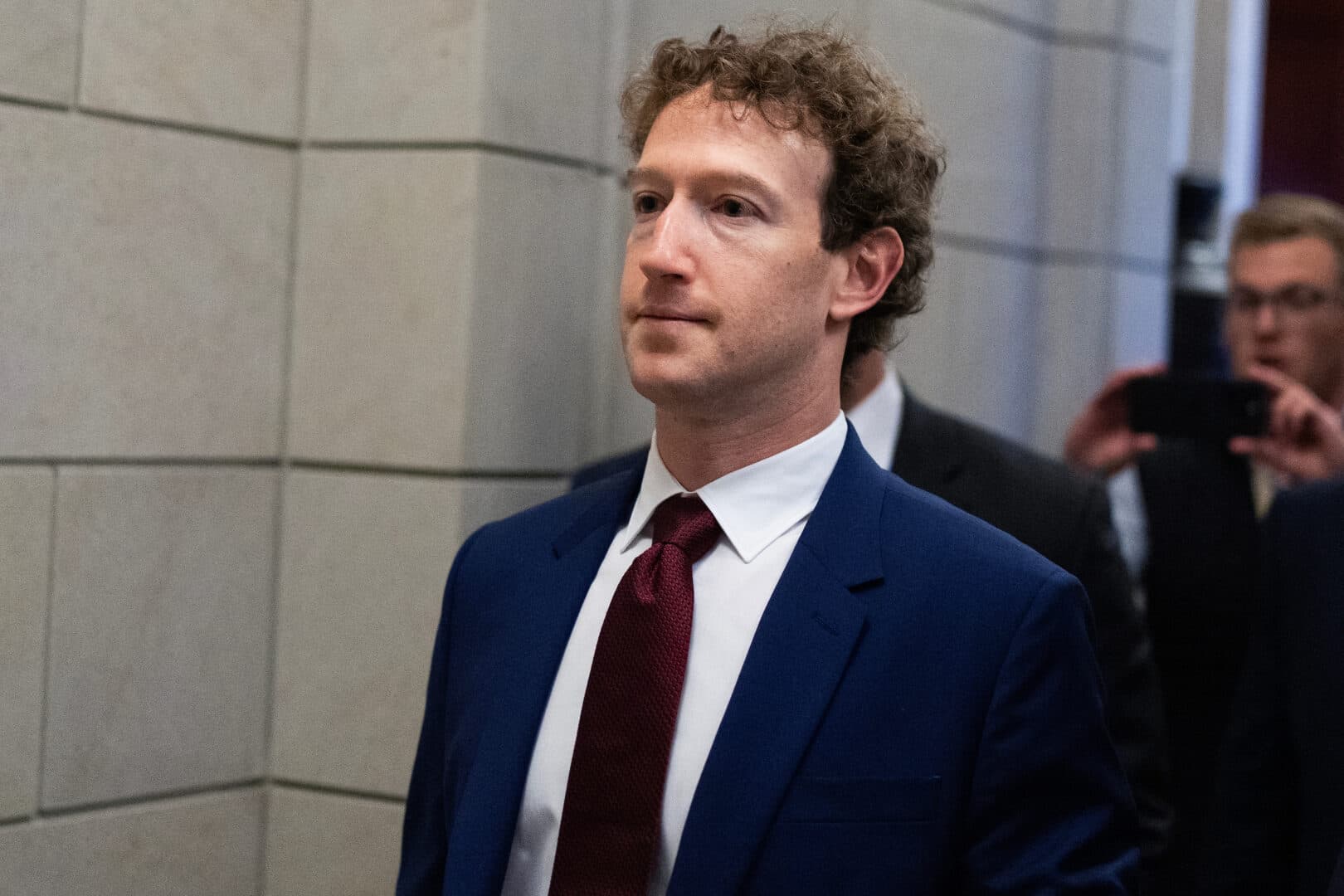
The Senate Caucus Room, a crucible of American power, was ablaze with a familiar tension. Not the hushed reverence of a Supreme Court nomination, nor the manufactured outrage of a partisan squabble. This time, it was different. This was a reckoning, a meticulously orchestrated performance of accountability starring the architect of the digital age: Mark Zuckerberg. The air crackled with anticipation, the quiet hum of cameras and the nervous whispers of aides. At the center of it all, the man himself, a figure both familiar and alien, ready to face the music.
This wasn't just another Congressional hearing. This was a referendum on power, on the unchecked influence of a company that had reshaped the world in its image. Zuckerberg, the boy-genius turned CEO, the man who built an empire on connection, was now facing a panel of lawmakers grappling with the unforeseen consequences of that very connection. The stakes were immense: the future of Meta, the future of free speech online, and the balance of power between Silicon Valley and Washington.
The stage was set. The audience, the entire world. And the drama was about to begin.
The Context: The Long Road to the Lion's Den
To understand the current predicament, one must travel back through the labyrinthine corridors of tech history. Facebook, later Meta, didn’t just happen. It was the product of a series of strategic gambles, bold acquisitions, and, yes, some spectacular missteps. The seeds of this Senate hearing were sown years ago, not in the gilded halls of Menlo Park, but in the trenches of the internet’s evolution.
The initial appeal of Facebook was simple: connection. A digital commons where people could share their lives, build communities, and, perhaps most importantly, provide a rich data stream. Zuckerberg, from the start, understood the value of this data. He built an advertising empire on the back of user information, transforming Facebook into a global behemoth and amassing a fortune in the process.
However, the pursuit of growth came at a cost. The Cambridge Analytica scandal, in which the data of millions of Facebook users was harvested and used for political manipulation, was a watershed moment. It exposed the vulnerabilities of the platform, the lack of transparency, and the potential for abuse. This was followed by a relentless series of controversies, from the spread of misinformation and hate speech to the alleged suppression of conservative voices. Each incident chipped away at the company's credibility and fueled public outrage.
The acquisition of Instagram and WhatsApp solidified Meta's dominance, but also amplified its problems. These acquisitions, while strategically brilliant, created a network effect, effectively making Meta a gatekeeper of the internet. The company controlled the flow of information, the expression of opinions, and the very way billions of people experience the world.
Washington, initially slow to react, slowly began to stir. The Federal Trade Commission launched investigations. Lawmakers drafted legislation. Calls for regulation grew louder. Zuckerberg, once the darling of Silicon Valley, became a target. The Senate Judiciary Committee hearing was the culmination of this slow-burn reckoning, a moment where the full force of the government was brought to bear on the tech giant.
This moment echoes Jobs in '97, when Apple was on its knees, and the public held its breath. Except now, the product is far less tangible. It’s the very notion of truth, the fabric of society, and the future of democracy. This time, the stakes are orders of magnitude greater.
The Core Analysis: Strategy, Psychology, and the Money
The Senate hearing wasn't merely a political show. It was a strategic masterclass, a carefully orchestrated power play designed to expose Meta's vulnerabilities and influence the regulatory landscape. Senator's questions were designed to achieve several critical objectives:
1. Establish Accountability: The primary goal was to make Zuckerberg personally responsible for the actions of his company. The senators wanted him to take ownership, to admit mistakes, and to project the image of a leader who understands the severity of the problems.
2. Expose Corporate Malfeasance: Lawmakers aimed to highlight specific instances of harm caused by Meta's platforms, from the spread of harmful content to the amplification of conspiracy theories. The goal was to paint a picture of a company prioritizing profits over user safety.
3. Set the Stage for Regulation: The hearing was a public relations tool, and most importantly, served as a powerful signal to the public. Congress was telegraphing its intent to intervene, regulate, and potentially break up the company. Legislation was on the horizon.
4. Undermine Public Trust: The hearing was meticulously designed to erode public trust in Facebook and Instagram, making users question the information they consume and the relationships they cultivate on the platforms.
The Psychological Game: The hearings were a psychological game. Zuckerberg's performance was under intense scrutiny. His responses, his body language, and even his silences were analyzed in minute detail. The Senators were looking for any sign of deception, any hint of insincerity, any indication that he did not grasp the gravity of the situation.
The Money Trail: This hearing was also about the billions of dollars at stake. Facebook’s advertising revenue, the lifeblood of the company, was under pressure from regulatory scrutiny, boycotts, and growing competition. The hearing was a public challenge to the fundamental business model of social media: harvesting user data and selling attention.
The Hidden Agendas: This wasn't just about Meta. This hearing was a battle for the future of the internet. Tech giants like Google and Apple were watching closely. How Washington chooses to regulate Meta would set a precedent for the entire industry. Hidden within the debate was the struggle for power, control, and the future of digital innovation.
The Winners and Losers: In the short term, Meta would likely suffer. Stock prices may dip. Trust levels would decline. However, in the long run, the company could emerge stronger. Regulation could force Meta to clean up its act, to invest in safety, and to become a more responsible corporate citizen. But this would come at a cost.
The winners in this scenario were the politicians, the lawyers, the regulators, and, perhaps ironically, the independent media outlets that benefit from increased public interest. The losers were Meta shareholders, users, and, arguably, free speech, at least in the short term. The long-term implications are complex and uncertain.
The "Macro" View: Reshaping the Digital Landscape
The Senate hearing was not an isolated event. It was a symptom of a larger transformation in the digital landscape. The once-untouchable tech giants, once the darlings of Wall Street and Washington, were now facing intense scrutiny. The era of unchecked power was ending. The question was, what comes next?
A Shift in Power: The hearing was a clear signal that the balance of power was shifting. Washington, empowered by public outrage and regulatory momentum, was taking control. The government was no longer content to let Silicon Valley run amok. Regulation was coming, and with it, a new era of accountability.
A New Business Model: The advertising-based model, the engine of the social media boom, was under threat. The privacy concerns, the spread of misinformation, and the growing pressure from regulators were forcing companies to rethink their approach. The future might lie in subscriptions, premium content, or perhaps, a fundamental shift in how the internet is monetized.
A Battle for Truth: The hearing highlighted the challenge of truth in the digital age. The spread of misinformation, the polarization of public opinion, and the erosion of trust in institutions were all exacerbated by the social media platforms. The debate centered on defining the line between free speech and harmful content. How do we keep the internet open while protecting the public?
A Fragmented Future: The hearing pointed to the possibility of a fragmented internet, with different platforms operating under different rules and standards. A new era of specialization could lead to the rise of platforms focused on specific communities or interests. The days of monolithic social media empires might be numbered.
The Rise of AI: The discussion around Meta often forgets about AI. Artificial intelligence is not just a technological advancement; it's a paradigm shift. AI could enhance the capabilities of social media, but also amplify its risks. The hearing was a prelude to a larger debate about the ethical implications of AI and the need for new regulatory frameworks.
The Verdict: A Future Forged in Fire
The Senate Judiciary hearing was a watershed moment, a turning point in the relationship between Silicon Valley and Washington. It was a clear signal that the era of unfettered tech dominance was over. But what does the future hold?
1-Year Outlook: Expect more hearings, more investigations, and more pressure on Meta. Regulation will intensify. The company will face increased scrutiny from lawmakers and regulators. Meta will be forced to make adjustments to its business model, invest in safety, and improve transparency. The stock price will remain volatile.
5-Year Outlook: Meta will have adapted to the new regulatory landscape, but it will be a different company. It will be smaller, less powerful, and more focused on compliance. The social media landscape will be more diverse, with the rise of new platforms and the fragmentation of existing ones. The competition will be fiercer. The company will continue to innovate in the AI space, but under intense ethical scrutiny.
10-Year Outlook: The internet will have evolved significantly. The role of social media will have changed. Regulation will be commonplace, and the power of tech giants will be constrained. The definition of “social media” will be more fluid, less about platforms, more about experiences. Meta, if it survives, will be a player, but not necessarily the king. The future will be defined not by connections, but by trust, responsibility, and the unwavering pursuit of a more equitable digital world.
The Senate Judiciary hearing was not the end. It was the beginning of a new chapter, a chapter where power is challenged, accountability is demanded, and the future of the digital age is forged in fire. And as the dust settles, one thing is certain: the world is watching, and the story is far from over.
Sources & further reading
Related analysis
- Amazon's Ascent: Navigating the Tides of Triumph – A Veteran's Guide to Playing the Stock
- Silicon Valley's Red Flag: Laura Loomer's Nvidia Assault – Is Jensen Huang's China Connection the Next Tech Scandal?
- Microsoft's Masterstroke: Why Wall Street Is Blind to the True Value of MSFT (And Why That's Their Advantage)
- Data Center Gold Rush: Why Infrastructure Construction Stocks Are the Only Game in Town
- Nomura's Walmart Exit: A Canary in the Coal Mine for Retail's Future?
- Jabil's AI Infrastructure Gamble: A High-Stakes Bet on the Future or a Mirage of Growth?