Walton's $115M Gambit: ASU, Conservation, and the Unfolding Future of Power
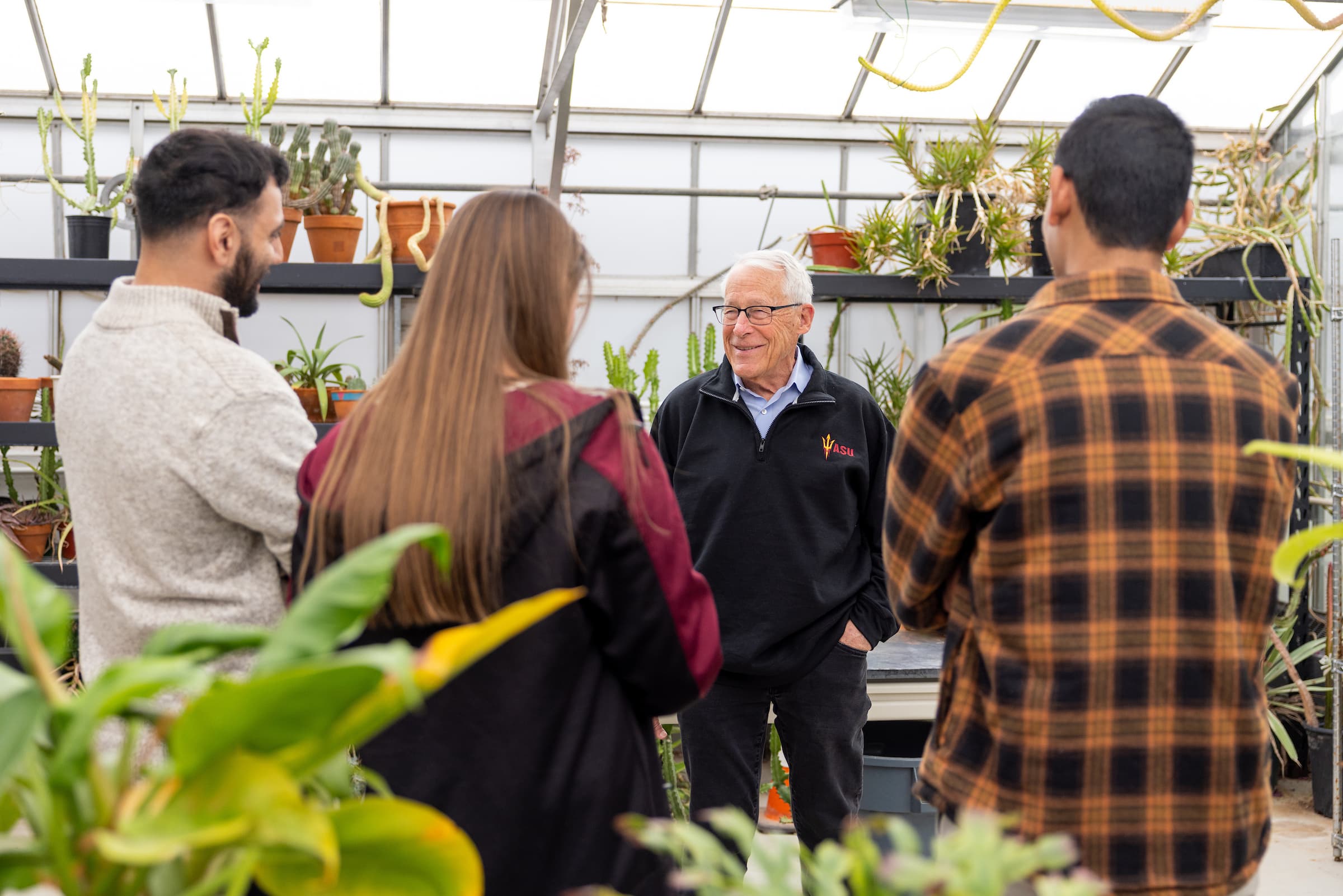
"Rob Walton, former Walmart chairman, just made the largest single donation in ASU history, a staggering $115 million, to launch a School of Conservation Futures. This isn't just philanthropy; it's a strategic land grab in the evolving battle for environmental influence, a move that reshapes ASU's destiny and potentially alters the trajectories of conservation efforts nationwide. Prepare for a ripple effect felt far beyond the Arizona desert."
Key Takeaways
- •The $115 million gift establishes the School of Conservation Futures at ASU, the largest donation in university history.
- •The gift is a strategic move by the Walton family to influence the conservation landscape and reshape their legacy.
- •This donation may lead to increased scrutiny regarding the balance between philanthropy, academic freedom, and genuine conservation efforts.
The Lede: Whispers in the Desert
The desert wind carried the news, swirling sand and hushed pronouncements in equal measure. The air hung thick with anticipation, the kind that precedes seismic shifts. This was not a garden-variety donation; it was a land claim staked in the future. The announcement of Rob Walton and family’s $115 million gift to Arizona State University, the largest in its history, to establish the School of Conservation Futures, sent a jolt through the academic and philanthropic worlds. It was a move as audacious as it was strategically calculated. Think of it as a corporate titan, not content with merely building an empire of retail, now setting his sights on the very bedrock of environmental stewardship. The desert, after all, remembers everything.
The scene at ASU was carefully orchestrated. Dignitaries, the chosen few, gathered under the relentless Arizona sun, their smiles perhaps a touch too bright, their handshakes perhaps a touch too firm. The backdrop, a university striving for Tier 1 status, hungry for the validation that only a blockbuster donation can provide. But the real story wasn't in the carefully crafted sound bites; it lay in the subtext, the unspoken implications that hummed beneath the surface. This was not about altruism; it was about power, legacy, and the relentless pursuit of shaping tomorrow.
The Context: Seeds of a Legacy
To understand the magnitude of this gift, one must trace the Walton family's trajectory. From Sam Walton's humble beginnings, building a retail colossus on the back of Main Street America, to Rob Walton's stewardship, navigating the complexities of a globalized economy, the family has always played the long game. This wasn't just about selling goods; it was about controlling distribution, managing supply chains, and understanding the ebb and flow of consumer demand. Now, with this ASU gift, they're applying those same principles to a different domain: the preservation of natural resources.
Consider the family's past environmental stances. While Walmart, under their leadership, made strides in sustainability, the efforts were often overshadowed by criticisms regarding their impact on small businesses and their labor practices. This new initiative is a bold move to rewrite that narrative, to position the Walton name not just as titans of commerce but as champions of conservation. It's a calculated rebranding, a strategic pivot toward an increasingly vital sector. This moment echoes a similar shift to what happened in the 90's. Companies saw the writing on the wall; adapting was crucial to survival.
The choice of ASU is also significant. ASU, a university rapidly ascending in prominence, known for its innovation and commitment to sustainability, provides the perfect platform. It's a forward-thinking institution, a place where the Walton family's vision can take root and flourish. This isn't a passive donation; it’s an investment. The Walton family wants to exert a high level of influence in this growing sector. They are seeking to cultivate the next generation of conservation leaders, scientists, and policy makers, all while shaping the very definition of what conservation means.
The Core Analysis: Money, Influence, and the Unfolding Agenda
Let's dissect the numbers. $115 million is a staggering sum, capable of funding research, attracting top talent, and building state-of-the-art facilities. But the real impact goes beyond the raw figures. This donation provides the Walton family with significant leverage. They can influence the curriculum, dictate research priorities, and shape the narrative surrounding conservation. They can potentially steer ASU's future, molding it to better suit the family's business interests, future endeavors, or particular passions. This is not about building a monument; it's about building an army of advocates, thinkers, and executors who will champion the Walton vision. The old adage is true: he who controls the gold makes the rules.
The beneficiaries are clear: ASU gets a massive boost in prestige and resources. The Walton family gets a legacy of environmental stewardship, a way to influence the policy agenda. The potential losers are less obvious, but no less significant. Independent conservation organizations, already struggling for funding, might find themselves overshadowed. Alternative viewpoints, research that challenges the Walton family's agenda, may struggle to find traction within the school's ecosystem. The power is concentrated, and in the world of conservation, that concentration of power could stifle innovation and critical thinking.
Hidden agendas? It's prudent to assume they exist. The Walton family’s past, and their other investments, offers clues. Are they looking to develop new technologies for sustainable farming? Are they interested in influencing policy regarding water rights? Are they anticipating future regulations and positioning themselves to profit from them? These are questions that demand investigation. The devil, as always, is in the details. The grant isn't simply for 'conservation'. The 'future' implies an anticipatory, forward-thinking strategy, one that is highly likely to benefit existing Walton family investment and philanthropic efforts. Remember, a gift of this size is rarely entirely altruistic. There is always a strategic purpose.
The “Macro” View: Reshaping the Landscape of Conservation
This ASU gift is a bellwether moment, signaling a larger trend. The wealthy are increasingly turning their attention, and their wallets, to environmental causes. This is not just a passing fad; it's a fundamental shift. As governments struggle to address climate change and environmental degradation, private philanthropy is stepping into the void. This, however, poses significant risks. The agenda of the wealthy might not align with the broader interests of society. Environmental issues must take center stage, but not to the exclusion of other social issues. The concentration of power in the hands of a few families could lead to a skewed, potentially detrimental, approach to conservation efforts. This is a game of high stakes, high reward and high risk.
The impact on ASU will be profound. The university will become a magnet for talent and resources. It will attract leading conservation scientists, environmental lawyers, and policy experts. The School of Conservation Futures will likely become a global hub for research and innovation. This will elevate ASU's standing, attracting top-tier students and faculty. ASU may see a massive jump in rankings, and greater influence at the federal level. But, a word of caution: the university must guard against becoming beholden to the Walton family's interests. Academic freedom and independent research are critical to ensuring the school remains a force for good. Universities are not just passive recipients of wealth; they must be active stewards, promoting truth, and critical inquiry.
The implications are far-reaching. Other universities will likely take notice. The race to attract philanthropic dollars will intensify. The competition for influence in the conservation sector will escalate. This could lead to both positive and negative outcomes. On the one hand, more money for environmental research and innovation is always a good thing. On the other hand, the increasing concentration of wealth and power could distort the conversation and undermine efforts to address some of the most critical environmental challenges.
The Verdict: Crystal Ball Gazing
1-Year Outlook: The School of Conservation Futures will be in its formative stages. Hiring will be underway. Research projects will be launched. The Walton family will begin to exert its influence on the school's direction. Expect a wave of positive PR, emphasizing the family's commitment to the environment and ASU's leadership in conservation. Whispers of concerns regarding academic freedom will begin to surface, however, mainly among academic circles and smaller environmental NGOs. The school will be viewed as a controversial, yet well-funded, entity.
5-Year Outlook: The School of Conservation Futures will be a major player in the conservation landscape. Its research findings will influence policy debates. Its graduates will be taking positions of power in government agencies, NGOs, and corporations. The Walton family's influence will be pervasive. A few well-funded, and perhaps well-publicized, initiatives will highlight the school's success in particular conservation areas or initiatives. The school's activities and research priorities will be challenged, raising ethical concerns, and spurring further debate about the relationship between philanthropy, academic integrity, and conservation efforts.
10-Year Outlook: The School of Conservation Futures will have established a global network of partners and collaborators. Its influence will extend far beyond Arizona. It will have become a model for other universities seeking to attract philanthropic funding. The Walton family's legacy will be firmly cemented in the conservation movement. The school will be perceived as both a success story and a cautionary tale. Some will celebrate its achievements in advancing conservation efforts. Others will criticize its undue influence and its potential to undermine independent research and alternative approaches. The school's very existence will be a constant reminder of the complex and often-uneasy relationship between wealth, power, and the future of our planet.
Rob Walton's $115 million gift is more than just a donation; it's a declaration. A bold play for influence, a strategic maneuver to shape the future of conservation. It's a move that will resonate for years to come. The desert wind still carries whispers. The next chapter has only just begun. The question remains: is this a genuine effort to protect our planet, or a calculated maneuver to secure a legacy? Only time, and a little investigative work, will tell.
Sources & further reading
Related analysis
- Amazon's Ascent: Navigating the Tides of Triumph – A Veteran's Guide to Playing the Stock
- Silicon Valley's Red Flag: Laura Loomer's Nvidia Assault – Is Jensen Huang's China Connection the Next Tech Scandal?
- Microsoft's Masterstroke: Why Wall Street Is Blind to the True Value of MSFT (And Why That's Their Advantage)
- Data Center Gold Rush: Why Infrastructure Construction Stocks Are the Only Game in Town
- Nomura's Walmart Exit: A Canary in the Coal Mine for Retail's Future?
- Jabil's AI Infrastructure Gamble: A High-Stakes Bet on the Future or a Mirage of Growth?