The Ghosts of Google: Eric Schmidt Booed, and the AI Revolution's Unsettling Reckoning
"Former Google CEO Eric Schmidt's public humiliation at a graduation ceremony is not merely a symbolic event; it's a stark illustration of the deep-seated anxieties surrounding Artificial Intelligence. This incident, fueled by internal power struggles and shifting market dynamics, exposes the cracks in Google's AI dominance and signals a turbulent future for Big Tech. The booing resonates as a harbinger of a profound societal reckoning with the promises and perils of unchecked technological advancement."
Key Takeaways
- •Public distrust of Big Tech is reaching a boiling point, as evidenced by the booing incident.
- •Google's dominance in AI is facing challenges due to public scrutiny and regulatory pressures.
- •The future of the tech industry will be shaped by ethical considerations and the need to build public trust.
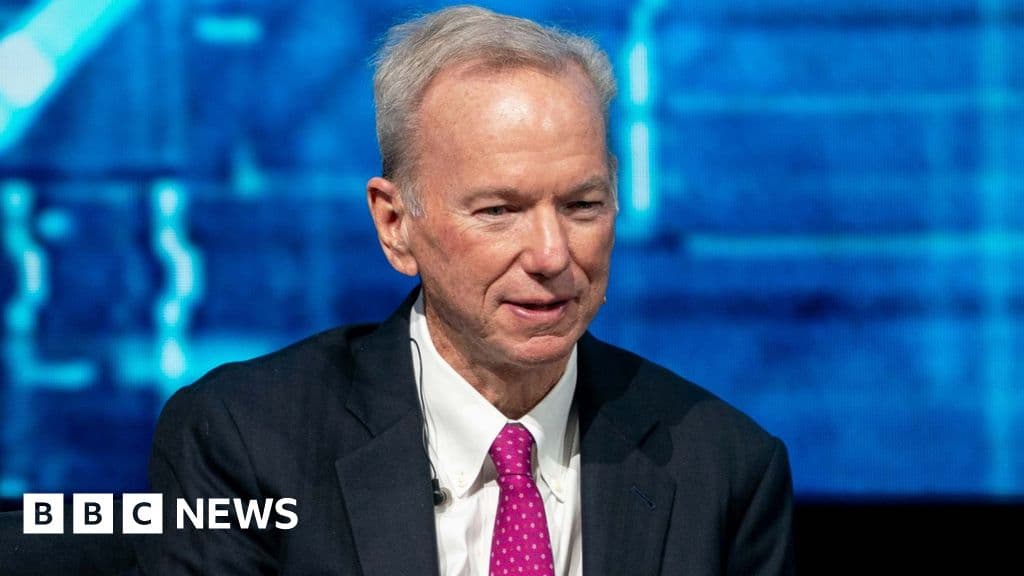
The air crackled with a peculiar mix of academic ambition and palpable unease. The gowns swirled, the mortarboards arced, and the future, as always, hung heavy in the humid summer air. But this graduation ceremony, usually a celebration of youthful exuberance, held an undercurrent of something darker, something less celebratory. The name, Eric Schmidt, former CEO of Google, was announced, a name synonymous with technological revolution and, for a certain segment of this audience, corporate overreach. Then came the word, the trigger: “AI.” And the auditorium erupted – not in applause, but in a chorus of boos. A collective exhale of disillusionment and dread.
The Lede: The Unseen Echoes
This was more than just a public relations misstep; it was a symptom. A symptom of a deeper, more profound shift in the zeitgeist. This wasn't just about a former CEO getting a frosty reception; it was a referendum on the very future Google – and the titans of Silicon Valley – had promised. The booing, a raw and visceral expression of public sentiment, was a jarring counterpoint to the carefully crafted narratives of progress and innovation that have dominated the tech landscape for decades. It was a moment that echoed through the hallowed halls of power, a reminder that even the most meticulously constructed empires can be toppled by the weight of public distrust. The echoes of that boo reverberate now across the tech industry, a warning shot fired across the bow of the AI-driven future.
The Context: From Search to Soul-Searching
To understand the significance of this moment, we must rewind the tape. We need to go back to the origins, to the genesis of Google's dominion. The company's rise was not just about brilliant engineering; it was a masterful orchestration of ambition, data, and a relentless pursuit of the next big thing. At the heart of Google's success lay Larry Page, a visionary CEO and the co-founder who understood the power of information and the potential to build a global digital empire. The early days were marked by a relentless focus on search, data aggregation, and the dream of organizing the world's information. Page and Sergey Brin's original mission: to make information universally accessible and useful. This was the promise, the narrative that fueled the rocket ship. But as the company matured, the promise evolved. The focus shifted from democratizing information to monetizing it. The ethical considerations were often relegated to an afterthought, lost in the scramble for market share and dominance.
Eric Schmidt's tenure as CEO, a period of remarkable expansion and consolidation, was instrumental in shaping Google into the behemoth it is today. He was the master strategist, the pragmatic operator who translated Page's visionary ideas into tangible reality. However, it was also during this period that the seeds of discontent were sown. The acquisition of vast amounts of user data, the development of increasingly sophisticated advertising algorithms, and the company's aggressive expansion into new markets all contributed to a growing sense of unease. The public began to question the trade-offs inherent in the Google ecosystem: privacy for convenience, autonomy for access. The company's initial idealistic mission, its early promise to 'do no evil,' felt increasingly hollow in the face of these realities.
The transition to AI was, in many ways, a natural progression for Google. The company already possessed the infrastructure, the talent, and, most importantly, the data to dominate this new frontier. But the move also raised the stakes. AI, with its potential to reshape every aspect of human life, from healthcare to education to warfare, presented both immense opportunities and terrifying risks. It was no longer simply about organizing information; it was about controlling the very fabric of reality. This is where the narrative began to fray, where public trust eroded. The fear that AI would exacerbate existing inequalities, displace workers, and erode human agency became increasingly prevalent, and the narrative that painted Google and the other Big Tech firms as benevolent architects of a better future began to crumble.
The Core Analysis: The Power, the Money, and the Hidden Agendas
The booing was a reaction to this, a culmination of years of anxieties and concerns. It was a rejection of the unchecked power that Google, and the tech giants, now wield. It was a cry of protest against the relentless march of technological determinism. The incident, beyond the emotional theater, unearths deeper complexities: power struggles within the tech giant, the impact on Larry Page, and the broader shifts in the AI market.
Google’s internal dynamics have been a source of both innovation and infighting. The very structure of the company – the co-founders, the executives, the engineers – contributes to the constant tension. Larry Page, a man known for his visionary ideas and reclusive tendencies, has always been the key force. He is the dreamer, the architect of Google's grand ambitions. Yet, his leadership style, often described as detached and autocratic, has sometimes created an environment where dissenting voices are silenced, where ethical considerations are brushed aside in the pursuit of technological supremacy.
The booing incident likely has sent ripples of concern through Google's inner circles. This situation, in many ways, presents the first real public reckoning for Larry Page. While he may not have been the direct target of the booing, the incident reflects poorly on the legacy he has created and the vision he is selling to the world. It will force him and the current leadership to reassess their strategies, to engage more directly with the public, and to address the growing concerns about the ethical implications of AI.
The money at stake is staggering. The AI market is projected to reach trillions of dollars in the coming years, promising immense profits for those who can establish dominance. Google, with its vast resources and technological expertise, is in a prime position to capitalize on this boom. But the booing also signals a potential vulnerability. It highlights the risk that public distrust could undermine the company's efforts to develop and deploy AI technologies. The economic future is not guaranteed; the market shift hinges on the acceptance of these very technologies.
There are hidden agendas at play. The tech giants are not just building AI for the sake of progress; they are building it to maintain and expand their power. They are consolidating their control over data, infrastructure, and the very fabric of the digital world. The booing, therefore, can be viewed as an uprising against this consolidation of power, an assertion of the public's right to shape the future of technology.
The Macro View: A Reshaping of the Industry Landscape
The consequences of this moment extend far beyond Google. It is a defining moment for the entire tech industry, a point of inflection that could reshape the landscape for years to come. The booing represents a shift in public sentiment, a growing awareness of the potential downsides of AI and the tech giants' unchecked power. It will inevitably lead to increased scrutiny, heightened regulation, and a more cautious approach to technological development.
The incident could accelerate the rise of alternative technology ecosystems that prioritize privacy, transparency, and ethical considerations. Smaller companies and startups that align with these values might gain a competitive advantage, attracting both consumers and talent. The public mood seems to be shifting away from the monolithic dominance of the big tech giants.
Moreover, the incident will affect the way businesses operate. They will need to adjust their marketing campaigns, develop stricter compliance measures, and invest more in ethical considerations. Businesses that embrace transparency and show that they are committed to addressing the public’s concerns are more likely to thrive in this new landscape.
The incident could even have a chilling effect on the development of AI itself. The fear of public backlash, regulatory hurdles, and ethical scrutiny could slow down the pace of innovation. This could lead to a more measured, thoughtful approach to AI, one that prioritizes safety, fairness, and human well-being. This slowdown may be necessary.
Finally, the incident could lead to a reassessment of the role of technology in society. Are we using technology to serve humanity, or is humanity becoming a servant of technology? The booing was a wake-up call, a reminder that technology is not neutral, that it has the power to shape our lives in profound ways. It is time for a new conversation, a more nuanced understanding of the relationship between technology and society.
The Verdict: A Future Forged in Doubt
So, what happens next? The future is not a straight line, but a complex web of possibilities, driven by conflict and competition. In the short term, Google will likely respond with a public relations offensive, aimed at repairing its image and rebuilding trust. They will likely try to frame AI in a more positive light, emphasizing the benefits and downplaying the risks. But this is a temporary bandage.
Within one year, expect to see an increase in regulatory scrutiny of AI development and deployment. Governments and international bodies will step in to address ethical concerns, privacy issues, and the potential for job displacement. This will create challenges and opportunities for Google and its competitors. It will be a time of innovation and uncertainty.
Within five years, the impact of AI on society will become increasingly visible. AI-powered applications will become commonplace in various areas, from healthcare to education to transportation. The ethical and societal implications of AI will become increasingly apparent, forcing us to grapple with difficult questions about the future of work, the nature of human identity, and the very meaning of life. The current generation will have the duty to address these questions.
Within ten years, the landscape will be completely transformed. The rise of AI will have reshaped the global economy, the political landscape, and the fabric of human society. The companies that navigate this turbulent period successfully will be those that prioritize human well-being, ethical considerations, and public trust. The booing at the graduation was not just a moment of outrage; it was a glimpse of the future. A future where the relationship between technology and society is subject to constant scrutiny, where trust is earned, not assumed, and where the promise of progress is tempered by the responsibility to do no harm.
The ghosts of Google, and the ghosts of its dreams and failures, will continue to haunt the tech world. The future is uncertain, but one thing is clear: the age of unquestioning faith in Big Tech is over. The booing was the first shot in the new technological cold war.
Sources & further reading
Related analysis
- Amazon's Ascent: Navigating the Tides of Triumph – A Veteran's Guide to Playing the Stock
- Silicon Valley's Red Flag: Laura Loomer's Nvidia Assault – Is Jensen Huang's China Connection the Next Tech Scandal?
- Microsoft's Masterstroke: Why Wall Street Is Blind to the True Value of MSFT (And Why That's Their Advantage)
- Data Center Gold Rush: Why Infrastructure Construction Stocks Are the Only Game in Town
- Nomura's Walmart Exit: A Canary in the Coal Mine for Retail's Future?
- Jabil's AI Infrastructure Gamble: A High-Stakes Bet on the Future or a Mirage of Growth?