The Ghost of Google Past: Schmidt's AI Overture Booed – A Harbinger of Tech's Tumultuous Future
"Eric Schmidt, once the architect of Google's dominance, faced a chorus of boos at a recent graduation ceremony, a stark rebuke of his pronouncements on AI. This event isn't just a PR blip; it's a symptom of deeper anxieties within the tech world, reflecting a fractured relationship between industry titans, their creations, and a skeptical public. The booing heralds a seismic shift, exposing vulnerabilities and forcing a reckoning on the promises and perils of artificial intelligence."
Key Takeaways
- •Public trust in AI is eroding, posing a significant risk to tech giants.
- •The industry needs to adapt to a new era of scrutiny and accountability.
- •The future of technology will be shaped by ethical considerations and a human-centered approach.
The Lede: A Symphony of Hisses
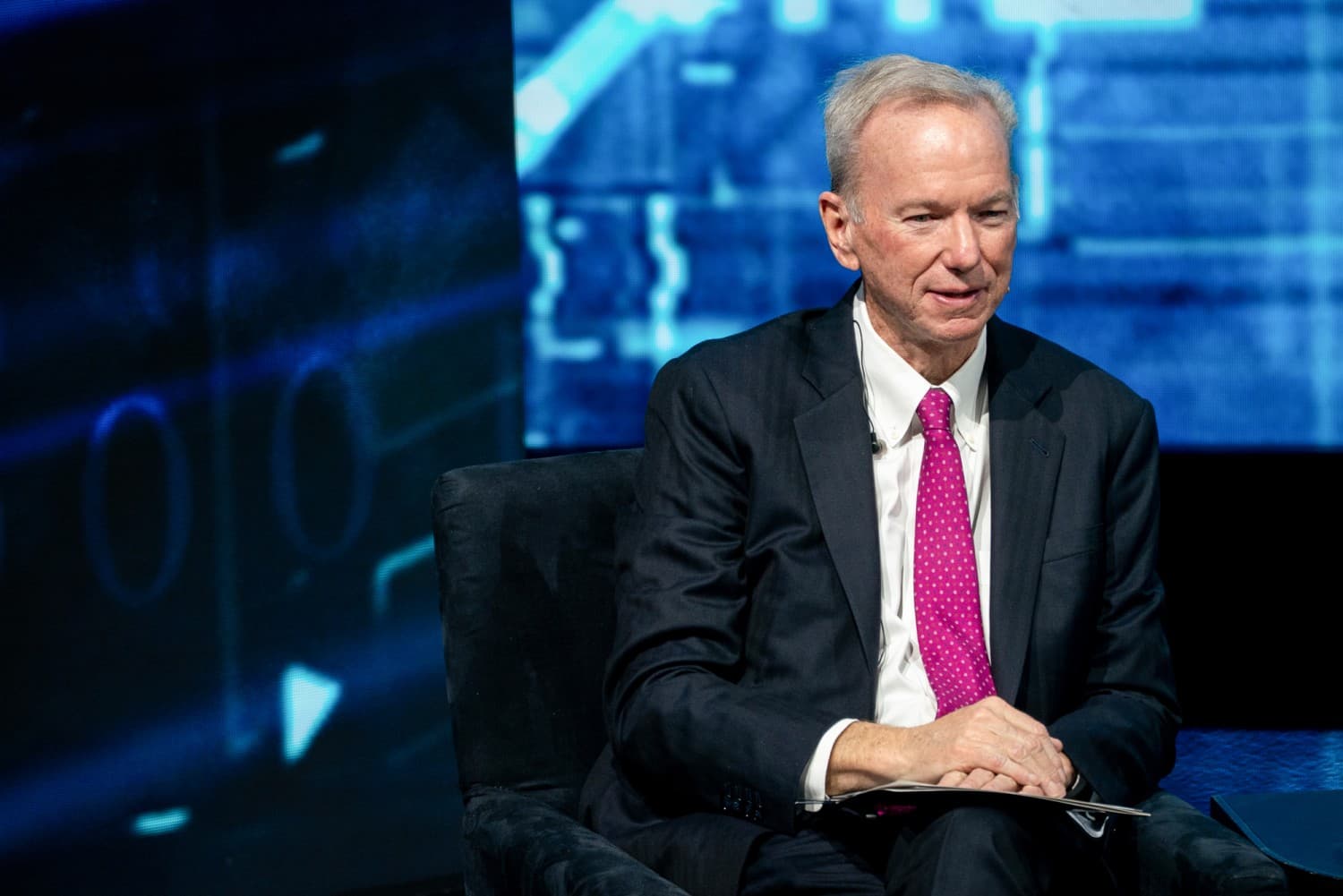
The air crackled with anticipation, the weight of expectation palpable. The graduating class, adorned in gowns, their faces a mixture of exhilaration and apprehension, filled the auditorium. Then, he walked onto the stage. Eric Schmidt, the former CEO of Google, a name synonymous with innovation, power, and the relentless march of technology. He was there to deliver the commencement address, a privilege usually reserved for venerated figures. Instead, he was met with a sound that’s become increasingly common in the modern digital age: boos. Not polite murmurs of dissent, but a sustained, visceral rejection of the messenger and, perhaps, the message itself. This wasn't just a moment of awkwardness; it was a public shaming, a judgment passed by the very generation he'd, in many ways, helped to shape. The subject? Artificial Intelligence, a future Schmidt has long championed. The irony was as thick as the algorithms he once commanded. The boos echoed the anxieties of a world grappling with the potential, and the peril, of the very technology he was there to celebrate.
The Context: From Search Baron to AI Evangelist
To understand the depth of this moment, we must rewind. We must journey back to the genesis of Google's dominance, a period when Eric Schmidt was more than just a CEO; he was a visionary, a strategic mastermind, a conductor of the orchestra that built one of the most powerful companies in history. Schmidt, a veteran of Silicon Valley’s cutthroat ecosystem, navigated Google through its meteoric rise, guiding the company from a scrappy search engine to a global behemoth. He understood the power of data before most. He saw the potential of algorithms to shape our world. He was, in essence, a technocrat, believing in the power of technology to solve the world's problems, often with a blind faith that ignored the unintended consequences. His close relationship with Google's founders, Larry Page and Sergey Brin, fueled the company's ambition, pushing the boundaries of what was possible, sometimes at the expense of ethical considerations.
The story of Google, and subsequently, Schmidt’s journey, is interwoven with the narrative of AI. Early investments in machine learning, the acquisition of DeepMind, the relentless pursuit of algorithms that could understand, predict, and ultimately, control, everything – all of this was orchestrated, or at least strategically approved, during Schmidt’s tenure. The company wasn't just building a search engine; it was constructing the infrastructure for the future. The bet was simple: AI would be the key, the master key, to unlocking untold riches and power. And for a while, it seemed like Schmidt's prescience was spot-on. Google became synonymous with innovation, a place where the brightest minds in the world could push the boundaries of technology. But beneath the surface, cracks were beginning to form.
The acquisition of DeepMind in 2014 was a pivotal moment. The focus shifted from mere search to a broader ambition: mastering the complexities of intelligence itself. DeepMind’s AlphaGo, which defeated the world champion Go player, was a stunning feat, a testament to the power of AI. It was also a harbinger of things to come, a demonstration of what was possible. But with this increased power came increased scrutiny. The ethical implications of AI, the potential for job displacement, the weaponization of algorithms – these concerns began to surface. And Schmidt, the evangelist, the cheerleader for this technology, found himself increasingly at odds with the anxieties of a public he once believed he could lead with his utopian vision. His unwavering advocacy for AI, often delivered in the same paternalistic tone that characterized his leadership, began to grate. The boos weren't just a rejection of his speech; they were a rejection of the narrative he'd been selling for years.
The Core Analysis: The Algorithm's Achilles Heel
The boos represent several key failures. The first is a failure of empathy. Schmidt, and the tech elite generally, have often been accused of being out of touch with the lived experiences of ordinary people. Their world is one of exponential growth, venture capital, and disruption. The world outside, the one where people worry about losing their jobs, where privacy is a constant concern, where the promise of a better future feels increasingly elusive – that world often seems like an afterthought. The second failure is a failure of foresight. The tech industry, despite its claims of being forward-thinking, has consistently underestimated the backlash against its creations. The Cambridge Analytica scandal, the spread of misinformation, the erosion of trust in institutions – all of these have contributed to a growing sense of unease. The third failure is a failure of self-awareness. Schmidt, in his commencement address, was likely touting the benefits of AI, glossing over the potential downsides. This is a common tactic, one employed by many in the industry. But in a world where trust is at a premium, this approach is no longer sustainable. It’s like trying to sell a product without acknowledging its flaws.
The financial implications are also significant. Google, and its parent company Alphabet, have invested billions in AI. The future of the company, its valuation, and its ability to attract and retain talent are all tied to its success in this field. A growing public skepticism, as evidenced by the boos, poses a significant risk. If the public doesn't trust AI, they won't use it, and if they don't use it, the business model collapses. The market for AI-powered products and services is already facing headwinds. Investors are becoming more cautious, and regulators are beginning to scrutinize the industry more closely. The booing at the graduation ceremony is just a small incident, but it represents the tip of the iceberg of a larger problem: the erosion of faith in the tech industry’s ability to deliver on its promises.
The winners and losers are becoming more defined. The winners are those who are able to navigate the changing landscape, those who understand the need for transparency, ethical considerations, and a more human-centered approach to technology. They are the ones who are listening to the concerns of the public, the ones who are building products and services that address real-world problems. The losers are those who cling to the old ways, those who prioritize profits over people, those who fail to adapt. This includes not just companies, but also individuals. The booing of Eric Schmidt is a clear indication of where the public stands: on the side of caution. It highlights a critical strategic risk: ignoring public sentiment. Google’s future, and the future of other tech giants, will depend on their ability to adapt and address this growing skepticism. The silent partner in all of this is Larry Page, the co-founder of Google. While Schmidt was the public face of Google for years, it was Page who provided the vision, the drive, and the underlying engineering genius. Page, a notorious recluse in recent years, likely watched the scene unfold with a mix of curiosity and concern. While Schmidt’s speech was being rejected, so too, perhaps, was the broader strategy that Page had orchestrated behind the scenes. Page's silence, at this point, speaks volumes.
The "Macro" View: Shifting Sands of Silicon Valley
This is not just about Google. This is about the entire tech industry. The rise and fall of giants, the ebb and flow of power, this has always been Silicon Valley’s rhythm. The booing of Schmidt is a wake-up call, a sign that the old narratives no longer hold. The era of unquestioned technological progress is over. The public is more informed, more skeptical, and more empowered than ever before. This moment echoes the late 90s, when Steve Jobs returned to Apple. His task was to reset a company that had lost its way. The challenge now facing the tech industry is similar: to rebuild trust, to address the ethical concerns surrounding AI, and to redefine its relationship with society. The old model of disruption at any cost is no longer viable. The future belongs to those who prioritize sustainability, transparency, and a commitment to the greater good. This is a profound shift, one that will reshape the tech landscape for years to come. The industry's regulatory environment will change dramatically. Companies will face increased scrutiny from governments and consumers. The power dynamic is shifting from the tech giants to the public. There will be increased demand for accountability, transparency, and ethical considerations in product development. This moment of public rejection will compel a wave of introspection, reevaluation, and fundamental structural adjustments within the industry.
The 1-year impact will include increased public awareness, greater scrutiny from regulators, and a slowdown in the deployment of AI-powered products and services. Companies will be forced to address the ethical concerns surrounding AI more directly, and they will need to invest in building trust with the public. The 5-year impact could include a significant reshaping of the tech landscape, with new companies emerging that prioritize ethical considerations. The old giants will need to adapt, or they risk being left behind. There will also be a more nuanced understanding of AI, with a greater focus on its potential benefits and a more realistic assessment of its risks. The 10-year impact could include a fundamental shift in the way we interact with technology. AI could become more integrated into our lives, but it will be governed by a more ethical framework. The public's relationship with technology will be redefined, and we may see the emergence of a more human-centered approach to innovation. This is more than just a passing trend; this is a fundamental realignment of power and priorities.
The Verdict: The Age of Algorithmic Anxieties
My seasoned prediction: Eric Schmidt’s booing is not an isolated incident; it's the opening salvo in a new era. The tech giants will no longer be able to operate with impunity. Their every move will be scrutinized, their every claim questioned. The future of AI is not guaranteed, and its trajectory will be shaped by public opinion, regulatory pressures, and ethical considerations. The companies that thrive will be those that prioritize transparency, accountability, and a genuine commitment to the greater good. The rest, like Schmidt on that stage, will be met with hisses. The era of blind faith in technological progress is over. The future belongs to those who can navigate the complexities of this new reality, those who understand that technology must serve humanity, not the other way around. The boos at the graduation ceremony were not just for Schmidt. They were for a whole worldview, a whole approach to innovation that is now, finally, under siege. This is the start of a new battle for the soul of technology.
Sources & further reading
Related analysis
- Amazon's Ascent: Navigating the Tides of Triumph – A Veteran's Guide to Playing the Stock
- Silicon Valley's Red Flag: Laura Loomer's Nvidia Assault – Is Jensen Huang's China Connection the Next Tech Scandal?
- Microsoft's Masterstroke: Why Wall Street Is Blind to the True Value of MSFT (And Why That's Their Advantage)
- Data Center Gold Rush: Why Infrastructure Construction Stocks Are the Only Game in Town
- Nomura's Walmart Exit: A Canary in the Coal Mine for Retail's Future?
- Jabil's AI Infrastructure Gamble: A High-Stakes Bet on the Future or a Mirage of Growth?