Gates in Dayton: Beyond the Archives, A Billion-Dollar Gambit in a Shifting Tech Landscape
"Bill Gates's presence at the NCR archive dedication in Dayton is not a sentimental stroll down memory lane; it's a meticulously calculated move. This isn't just about preserving history; it's about securing future influence in a data-driven world, strategically positioning himself against rising technological giants and potentially rewriting the rules of the game. Expect to see strategic partnerships and investments emerge in the coming months, all tied to this Dayton event."
Key Takeaways
- •Bill Gates's visit to the NCR archive dedication in Dayton is a strategic move to secure future influence in a data-driven world, not just a nostalgic visit.
- •The event positions Gates at the center of the evolving data analysis landscape, potentially driving advancements in AI, predictive analytics, and business strategy.
- •The move challenges the traditional narrative of tech hubs, potentially shifting the focus to the Midwest and fostering a collaborative ecosystem of innovation.
The Lede: Dayton's Digital Crossroads
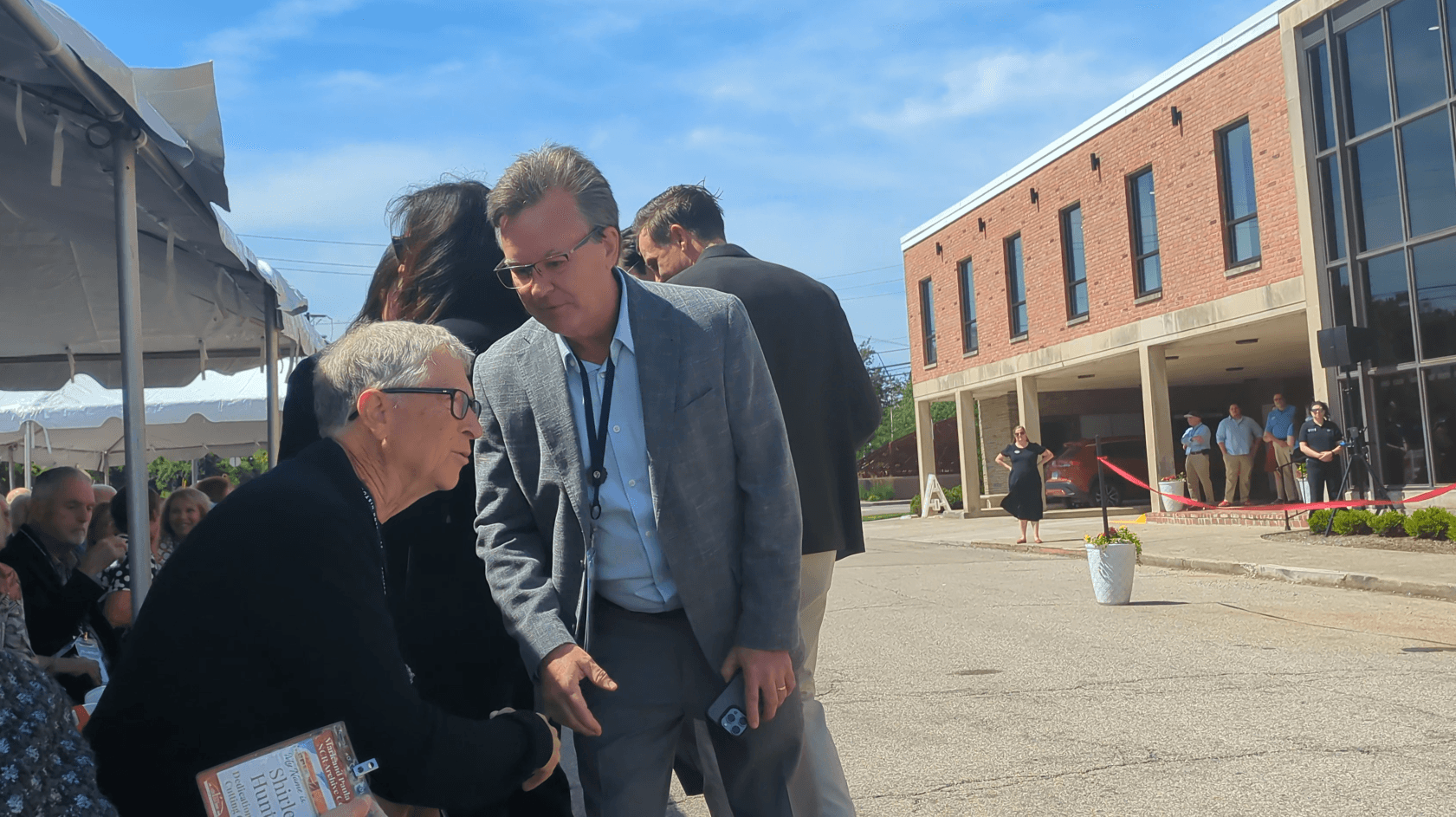
The Ohio air hung thick with anticipation, the scent of freshly cut grass mingling with the subtle hum of a thousand unspoken deals. In the heartland, nestled among the brick facades of Dayton, a city once synonymous with innovation, a different kind of ceremony was unfolding. Bill Gates, a name that echoes through the annals of technological history, stood before the newly dedicated NCR archive center. The cameras flashed, capturing the image of the man who, more than any other, built the digital world we inhabit. But this wasn’t just a photo opportunity; it was a strategic deployment, a calculated move in a chess game played on a global scale. The air crackled with a silent question: What was Bill Gates, the architect of the software age, truly doing here?
The Context: From Mainframes to Metaverse
To understand the significance of Gates's presence in Dayton, we must first rewind. Back to the roaring twenties, when NCR (National Cash Register) dominated the business world. Dayton, Ohio, was then, a hive of technological innovation. NCR was the Big Tech of its day, a global behemoth built on mechanical cash registers, the predecessors to the digital empire. This is the genesis of the modern digital landscape. The seeds of data collection and analysis were sown in Dayton, long before the internet, long before cloud computing. Fast forward to the late 20th century, and Bill Gates's Microsoft mirrored the ambitions and the scale of those early innovators. The empire he built was not just about software; it was about the architecture of information, the control of data, and the ability to shape the way the world worked. The move to Dayton is not an accident; it is a calculated homage, a nod to the foundations of the industry he helped define.
Gates, since stepping back from the day-to-day operations of Microsoft, has evolved. He transformed from a tech titan to a philanthropist, but the mind of a strategist remains sharp. His focus shifted to areas like global health, climate change, and, increasingly, data. His investment strategy, always forward-thinking, recognizes the unparalleled value of historical data, not just as a record, but as a key to future innovation. The NCR archives, as a repository of business processes, market trends, and technological evolutions across a century, represent an invaluable goldmine of information. It's not just about preserving the past; it's about mining it for the future.
The Core Analysis: Data, Power, and the New Order
The dedication of the NCR archive center is, in essence, a declaration. It’s a statement about the ongoing importance of data. The event is a quiet power play, a strategic gambit in a world where data is the new oil, and the ability to analyze and utilize it is the ultimate source of influence. Gates, through his philanthropic initiatives and strategic investments, has already secured significant influence in various sectors. This move extends his reach, giving him access to information and insights that few others possess.
The implications are substantial. Firstly, it positions Gates as a central figure in the evolving landscape of data analysis. The archive's wealth of historical data offers a treasure trove of information that could drive advancements in artificial intelligence (AI), predictive analytics, and business strategy. Secondly, it signals a renewed focus on the Midwest. Dayton's legacy of innovation creates fertile ground for tech projects and investment. Finally, it's a strategic move to potentially rival the ever-growing tech presence of Silicon Valley. There's a subtle but undeniable message embedded in this choice: The future of technology is not limited to California. With the opening of the NCR archive, Gates is essentially betting on the enduring power of historical data, betting on the untapped potential of Midwestern innovation.
The 'players' involved extend beyond Gates, as well. Local and state governments likely see this as a huge win, with the potential for an influx of investment and job creation. Major universities in the region might benefit from research partnerships. And, of course, the technology companies poised to capitalize on the data within the NCR archives stand to benefit greatly.
Consider the potential impact on the AI field. Historical business data from NCR offers a unique lens through which to examine market trends, consumer behavior, and successful (and failed) business strategies across decades. AI models trained on such a dataset could potentially predict future market fluctuations, identify emerging trends, and guide strategic decision-making with unprecedented accuracy. This alone could justify the investment, but the scope of possibility extends far beyond that.
The event itself offers insight into Gates's business acumen. He is not merely observing; he's actively participating. The decision to attend shows a level of involvement that transcends mere oversight. It's a signal to investors, collaborators, and competitors alike that Gates is fully invested. And what does this tell us? It tells us Gates believes in the project. He believes in the importance of the data. He believes in the future potential of the Midwest. And, ultimately, he believes in the power of this initiative.
The "Macro" View: Reshaping the Tech Frontier
Gates's foray into Dayton has ripple effects that will resonate across the technology sector. It challenges the conventional narrative of tech hubs clustered around the coasts. This move could catalyze a shift, creating new opportunities for innovation and investment in regions previously overlooked. Other established players, from venture capital firms to tech giants, will undoubtedly take note.
This event could trigger several shifts across the tech industry: Firstly, it encourages diversification beyond traditional tech hubs. Secondly, it incentivizes investment into historical data resources. Thirdly, it could spark increased competition in the AI and data analytics fields.
The move also adds another layer to the narrative of evolving philanthropic efforts, adding a layer of sophisticated financial strategy to the mix. His investments are not just about doing good; they're also about securing long-term influence and financial returns. This underscores the increasingly blurred lines between philanthropy and business in the 21st century.
Let's not forget the potential for collaborative efforts. Universities, research institutions, and emerging tech companies in the region could become integral partners in extracting value from the NCR archives. It's about data, but it is also about fostering a collaborative ecosystem. This vision, reminiscent of the early days of Silicon Valley, could be the key to unlocking the full potential of this initiative.
The Verdict: A Data-Driven Destiny
In one year, we can expect to see strategic partnerships solidify, perhaps a major research center established in the Dayton area dedicated to data analysis and AI. We'll see the first fruits of this investment. The data from the archives will start to yield the insights that Gates envisions. In five years, the impact will become more visible. Dayton could transform into a significant tech hub, attracting talent and investment. We might witness a wave of innovation driven by the NCR archive's data. In ten years, the implications will be profound. The NCR archives will have yielded new understandings in multiple fields. Dayton’s tech scene will be well-established and thriving. The overall data landscape will be forever altered. The landscape will shift. Those who control the flow of information will undoubtedly be the winners.
Bill Gates’ presence in Dayton isn’t just about nostalgia; it’s about a calculated investment in the future, a strategic play that could redefine the tech landscape and reshape the balance of power. This isn't just a news story; it's a chapter in the ongoing saga of technological evolution, written by one of its most influential authors. The archives are open. The future, it seems, is being written in Dayton.
Sources & further reading
Related analysis
- Amazon's Ascent: Navigating the Tides of Triumph – A Veteran's Guide to Playing the Stock
- Silicon Valley's Red Flag: Laura Loomer's Nvidia Assault – Is Jensen Huang's China Connection the Next Tech Scandal?
- Microsoft's Masterstroke: Why Wall Street Is Blind to the True Value of MSFT (And Why That's Their Advantage)
- Data Center Gold Rush: Why Infrastructure Construction Stocks Are the Only Game in Town
- Nomura's Walmart Exit: A Canary in the Coal Mine for Retail's Future?
- Jabil's AI Infrastructure Gamble: A High-Stakes Bet on the Future or a Mirage of Growth?