Gates' Geothermal Gambit: Fervo's $1.89B IPO Signals a Renewable Revolution or a Risky Bet?
"Bill Gates, a man who knows how to make big bets, just launched Fervo on an IPO, raising nearly $2 billion. This isn't just about clean energy; it's a play for energy dominance, and a calculated risk that could reshape the entire power landscape. Is this the dawn of a geothermal age, or a high-stakes gamble fueled by ambition and the insatiable need for a win?"
Key Takeaways
- •Fervo's IPO, backed by Bill Gates, represents a significant bet on enhanced geothermal systems and the future of energy.
- •The success of Fervo hinges on technical feasibility, economic viability, and navigating the complex regulatory landscape.
- •This could reshape the energy landscape, with profound implications for the industry, investors, and the fight against climate change.
The Lede: Beneath the Mojave Sun
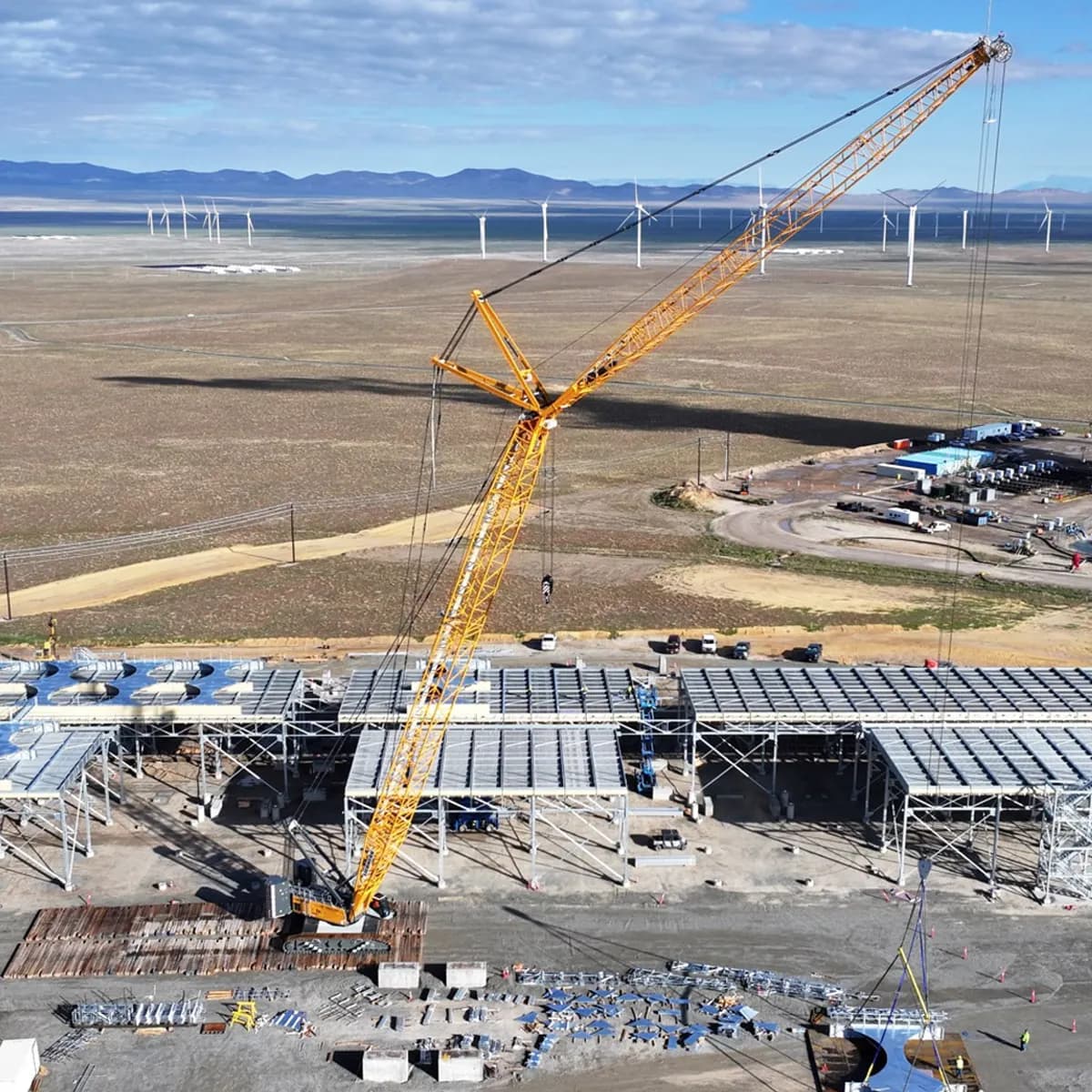
The desert wind, a scorching blade, whipped across the parched earth of Nevada. Even the stoic Joshua trees seemed to bow under the relentless sun. But below, miles beneath the surface, a different kind of fire raged. A fire of molten rock, of untapped potential, and of the relentless ambition of a man who rarely fails. This wasn't the scene of a typical desert bloom; it was the birth of something new, something audacious: Fervo's IPO. A near $2 billion injection of capital, spearheaded by none other than Bill Gates, who's positioning Fervo to lead a geothermal revolution. The air crackled with anticipation, a feeling you get when you are witnessing a moment that could rewrite the rules.
The numbers alone are staggering. Nearly two billion dollars, not for another social media vanity play, not for another flavor-of-the-month tech fad, but for digging deep, for harnessing the Earth's ancient, often-overlooked power. This isn't just an investment; it's a declaration. Gates, a man who built his empire on predicting the future, is betting big on the future of energy. And the world is watching, wondering if this is another masterstroke or a fool's errand.
The Context: From Coal's Shadow to the Geothermal Dawn
To understand Fervo, you must understand the history. The 20th century was the age of fossil fuels, of coal-fired behemoths and oil-slicked economies. But with every kilowatt hour of power came a price: polluted skies, a warming planet, and geopolitical instability. Then came the renewable era, a siren song promising clean energy, but often delivering intermittency and a reliance on the whims of the sun and wind. Solar and wind farms were, and remain, a significant step forward, but they are not the endgame. They are not the complete solution, not in the way Gates thinks. He sees the future, always has, and he sees the limitations of what has come before. He is a contrarian. He sees opportunity where others see only challenges.
Gates, a man known for his strategic investments in disruptive technologies, recognized the potential of geothermal energy years ago. While the concept of geothermal power – harnessing the Earth's internal heat – isn't new, the methods have been largely inefficient and cost-prohibitive. Traditional geothermal plants rely on naturally occurring hydrothermal resources: geysers, hot springs, areas where heated water is already close to the surface. But these resources are geographically limited. What if, Gates thought, you could tap into geothermal energy anywhere? This is where Fervo comes in. Fervo's Enhanced Geothermal Systems (EGS) technology aims to do just that, drilling deep into the Earth, fracturing hot, dry rock, and circulating water to extract heat and generate electricity. This approach promises to unlock a vast, geographically diverse resource.
This path, this IPO, is not a spur-of-the-moment decision. It has been crafted over years, with Gates's strategic guidance and deep pockets serving as a solid foundation for the company. The early years involved countless tests, failures, and breakthroughs. He had to be prepared for it. This moment echoes the meticulous planning seen in the early days of Microsoft. Gates's playbook is familiar: identify a problem, invest in a solution, and dominate the market. His investment in Fervo is a continuation of this strategic game. It's a calculated move to own a significant piece of the energy puzzle and, in the process, reshape the entire industry.
The Core Analysis: Digging into the Numbers and the Stakes
The $1.89 billion IPO isn't just a number; it's a statement of faith. Faith in the technology, faith in the team, and faith in the future of energy. But let's be clear: this isn't a charity project. This is a business, and a risky one at that. Geothermal projects are expensive, requiring massive upfront investment in drilling, infrastructure, and technology. The success of Fervo hinges on several critical factors:
First, the *technical feasibility*. EGS technology is still relatively unproven at scale. While pilot projects have shown promise, scaling up to commercial levels is a formidable engineering challenge. The process involves drilling deep, navigating complex geological formations, and ensuring the long-term sustainability of the heat extraction process. Success isn't guaranteed.
Second, the *economic viability*. Geothermal power must compete with other energy sources, including natural gas, wind, and solar. Fervo needs to prove that its EGS technology can deliver electricity at a competitive price. This means managing costs, maximizing efficiency, and navigating fluctuating energy markets. The price of oil is not a fixed variable, as we all know. Market forces are always in play, and sometimes they can be destructive. The IPO provides the capital to ramp up operations, but the true test will be the sustained profitability of each project.
Third, the *regulatory landscape*. The energy sector is heavily regulated, and geothermal projects face their own set of permitting, environmental, and land-use hurdles. Navigating these complexities requires significant expertise and resources. There will be opposition, inevitably. Those who are threatened by a new power paradigm will fight with everything they have.
Now, let's talk about the winners and losers. Gates is undoubtedly a winner, at least in the short term. He has secured a significant return on his early investment and is well-positioned to benefit from Fervo's success. The early investors who believed in the technology are also winners. Those who took the risk are poised for a high reward. The technology companies that have supported this venture will also be winners. The potential losers are those who bet against geothermal. The established players in the energy sector who fail to adapt to the changing landscape will find themselves left behind.
Hidden agendas? There are always hidden agendas. Gates has a long-standing commitment to combating climate change, and Fervo aligns perfectly with this goal. Beyond that, the IPO represents a strategic move to secure a foothold in the future of energy. It is an opportunity to not only deliver clean energy, but to profit from it. The goal is power, influence, and impact. Gates is playing the long game, betting not only on a technology, but on the future itself. He is positioning himself as a key player in the energy transition, gaining influence and potentially shaping policy. He is not just funding a company; he is building an empire.
The 'Macro' View: Reshaping the Energy Landscape
Fervo's IPO is more than just a financial event; it's a potential inflection point for the entire energy industry. If Fervo succeeds, it could trigger a domino effect, inspiring other companies to invest in geothermal technologies. This could lead to an explosion in geothermal capacity, transforming the global energy mix. And it could make the legacy giants obsolete. The world is watching how Fervo's EGS works in the real world. Will it transform the landscape, or be just another flash in the pan?
The ramifications extend far beyond the energy sector. A successful geothermal industry could create countless jobs, stimulate economic growth in underserved communities, and enhance energy security. It could also mitigate climate change, reduce pollution, and improve public health. Fervo's success could be a game-changer, but its failures could slow the advancement of a cleaner future. The stakes are immense, and everyone is watching the play.
The IPO also has broader implications for the investment community. It sends a powerful signal that investors are willing to put their money behind disruptive technologies that can address some of the world's most pressing challenges. It sets a precedent for other clean-tech companies, encouraging innovation and investment in renewable energy. Fervo's success, or failure, will send powerful signals throughout the investment community, setting the stage for future deals and making or breaking fortunes.
The Verdict: Crystal Ball Gazing – What Lies Ahead?
So, what happens next? My seasoned prediction:
1-Year Outlook: Fervo will face its first major tests. They will begin construction of several large-scale projects, and the initial results will be closely scrutinized. Regulatory hurdles will begin to emerge. Competitors will watch, learn, and adjust their strategies. Expect the IPO to experience significant volatility as the market digests the risk profile of the company. News outlets, financial analysts, and other media outlets will become obsessed, and the media cycle will make or break Fervo.
5-Year Outlook: If Fervo overcomes the initial technical challenges and proves its economic viability, the company will experience rapid growth. New projects will be announced, and the company will expand its operations both domestically and internationally. The geothermal industry will grow, attracting new investment and innovation. If Fervo stumbles, its stock will plummet, investors will panic, and the industry will have to start over. This will trigger a period of consolidation. Expect to see lawsuits and internal company turmoil.
10-Year Outlook: If Fervo succeeds in the long run, it will become a dominant player in the energy sector, potentially rivaling established energy giants. Geothermal energy will become a mainstream energy source, helping drive the global transition to a low-carbon economy. Gates will be considered a visionary, his investment in Fervo hailed as one of the most brilliant moves in business history. If Fervo fails, the world will have learned a hard lesson. But the hunt for clean energy will continue, and the underlying needs will remain. Gates, ever the strategist, will likely already be eyeing the next big opportunity.
The bottom line? Fervo's IPO is a high-stakes gamble with potentially enormous rewards. Whether it succeeds or fails will depend on a complex interplay of technological innovation, economic realities, and regulatory pressures. But one thing is certain: Bill Gates is playing to win, and the world will be watching every move. It will all depend on the drilling, the engineers, the geologists, and whether they can crack the code to extracting the Earth's hidden fire.
Sources & further reading
Related analysis
- Amazon's Ascent: Navigating the Tides of Triumph – A Veteran's Guide to Playing the Stock
- Silicon Valley's Red Flag: Laura Loomer's Nvidia Assault – Is Jensen Huang's China Connection the Next Tech Scandal?
- Microsoft's Masterstroke: Why Wall Street Is Blind to the True Value of MSFT (And Why That's Their Advantage)
- Data Center Gold Rush: Why Infrastructure Construction Stocks Are the Only Game in Town
- Nomura's Walmart Exit: A Canary in the Coal Mine for Retail's Future?
- Jabil's AI Infrastructure Gamble: A High-Stakes Bet on the Future or a Mirage of Growth?