Gates and the Memory Titan: SK hynix CEO's Secret Summit Signals Microsoft's AI Ambitions and a Seismic Shift in Silicon
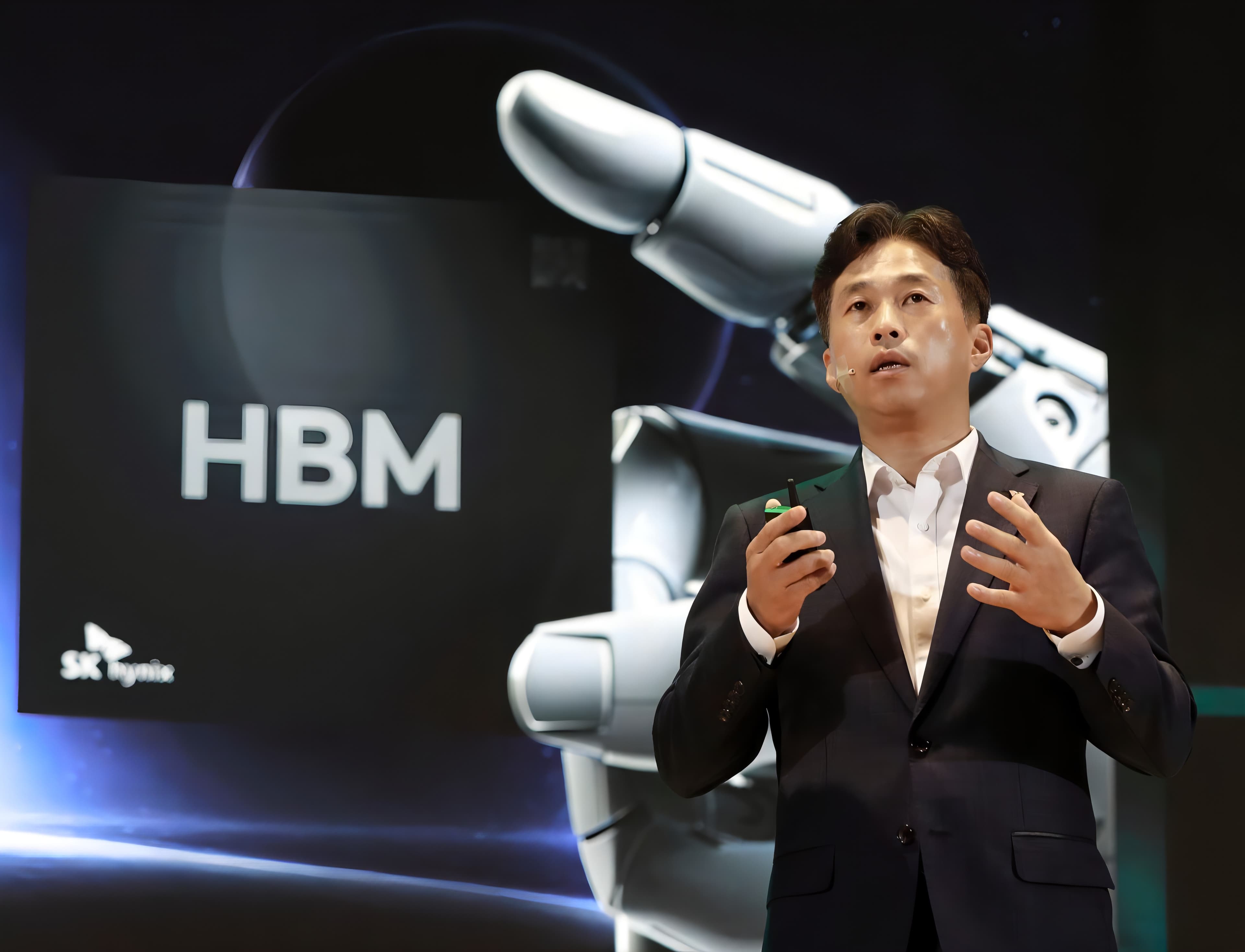
"Bill Gates, a man who doesn't do casual meetings, is reportedly huddling with the CEO of SK hynix. This isn't about mere pleasantries; it's a strategic power play in the burgeoning AI hardware arms race. Expect to see Microsoft's aggressive ASIC (Application-Specific Integrated Circuit) push accelerate, and the memory market – already volatile – to be redefined in the coming years."
Key Takeaways
- •Microsoft's meeting with SK hynix signals a deepening of their partnership and a strategic move toward owning the AI hardware stack.
- •The meeting will likely accelerate Microsoft's ASIC push, increasing demand for high-bandwidth memory (HBM) and causing volatility in the memory market.
- •This move is a direct challenge to NVIDIA and potentially reshapes the entire industry landscape, with implications for vertical integration, consolidation, and geopolitical power.
The air crackles with unspoken tension, a silent hum of billions of transistors poised on the precipice. The location, shrouded in the secrecy that only the ultra-rich and ultra-powerful can command, is irrelevant. The meeting, however, is everything. Bill Gates, the architect of a digital empire and now a champion of AI, sits across the table from the CEO of SK hynix, a name whispered with reverence in the world of semiconductors. Their conversation, the details of which remain cloaked in NDAs and hushed whispers, will likely reshape the very foundations of the tech world.
The Lede: A Meeting of Titans, a Battle for Supremacy
It's not just a meeting. It's a strategic summit. A quiet acknowledgement that the future of artificial intelligence, and indeed, technological dominance, hinges on one crucial element: memory. Specifically, the high-bandwidth, low-latency memory that can feed the ravenous algorithms of AI models. This isn’t a boardroom pleasantry; it's a power play, a strategic gambit in the high-stakes game of global technological supremacy. The reported encounter, initially flagged by TrendForce, hints at a deepening of ties, a symbiotic relationship forged in the crucible of accelerating technological advancement and cutthroat market competition. Microsoft, under the strategic eye of Gates, is making its move, and the ripples will be felt across the entire industry.
The stakes are astronomical. The winners stand to capture not just market share, but the very infrastructure of the future. The losers? Well, they risk becoming footnotes in the history books of technological obsolescence. This meeting is a pivotal moment, a clear signal of Microsoft's intensifying focus on Artificial Intelligence and its determination to control the underlying hardware that powers it. The whispers are getting louder, the stakes higher, and the players are finally at the table.
The Context: From Humble Chips to the AI Frontier
To understand the gravity of this meeting, one must appreciate the history. The evolution of semiconductors is a story of relentless innovation, brutal competition, and the constant striving for miniaturization and performance. For decades, the giants of the industry, Intel, Samsung, and SK hynix, have battled for supremacy in the memory market. SK hynix, a South Korean behemoth, has carved a formidable niche for itself, particularly in the production of high-bandwidth memory (HBM), the lifeblood of modern AI accelerators.
Remember the PC wars of the 1980s? This feels similar but with exponentially higher stakes. The players are different, but the fundamental dynamic is the same: Control of the underlying hardware is control of the future. Microsoft, having learned the painful lessons of the smartphone era, where it ceded ground to Apple and Google, is determined not to repeat those mistakes in the age of AI. The company is investing heavily in its own silicon, its own custom ASICs, designed to optimize the performance of its AI models. And that is where SK hynix comes in.
The relationship between Microsoft and SK hynix isn't new. They've been quietly collaborating, but this meeting signals an escalation. It suggests a deepening of the partnership, potentially involving long-term supply agreements, joint development projects, and possibly even strategic investments. This is a crucial pivot point, mirroring previous strategic shifts in the industry. Think of Intel's long dance with various foundries or Apple's move towards custom silicon. This is Microsoft's declaration: We are serious about owning the AI hardware stack.
The Core Analysis: Decoding the Hidden Agendas
Let's dissect the core issues. First, the economics. The market for AI accelerators is booming. Companies like NVIDIA are enjoying unprecedented demand and profit margins. But the real leverage lies in the memory that feeds these accelerators. HBM, in particular, is a scarce and complex commodity. SK hynix, along with Samsung, currently dominates the HBM market. The ability to secure a reliable supply of cutting-edge HBM is crucial for Microsoft's AI ambitions. Gates understands this implicitly. It's a key to unlocking the true potential of their AI investments.
The second point: strategic control. Microsoft, like Apple, wants to control its destiny. By designing its own ASICs, it can optimize performance, reduce costs, and gain a competitive edge. But ASICs are useless without the right memory. The meeting, therefore, likely centers around ensuring a stable supply of cutting-edge memory. Microsoft is aiming to avoid the constraints of relying solely on the open market, or being at the mercy of potentially fluctuating prices and limited supply. It's about hedging against risks, especially with geopolitical tensions flaring and supply chains under increasing pressure.
Third, consider the implications for the competitors. NVIDIA, the current king of the AI accelerator market, faces a significant challenge. If Microsoft can secure a reliable supply of HBM, while also refining their own ASIC designs, they could potentially close the performance gap. This meeting signifies a subtle but direct challenge. This is not just about building better AI models; it's about building a vertically integrated powerhouse, capable of competing across the entire hardware-software spectrum.
Fourth, the psychology of the deal. Bill Gates doesn’t waste his time. He is in the business of defining the future, and this meeting underscores his confidence in the potential of AI, and his belief that Microsoft needs to be a dominant player. His presence underscores the seriousness of Microsoft’s intentions. It's about setting the tone, sending a message to Wall Street, and the rest of the tech world: Microsoft is going all-in on AI and will do whatever it takes to win.
The Macro View: A Reshaping of the Industry Landscape
This single meeting, if it yields the anticipated results, has the potential to reshape the entire industry landscape. We are likely to see the following:
- Increased Vertical Integration: Expect more tech giants to follow Microsoft's lead, investing in their own silicon and forging strategic partnerships with memory manufacturers. The days of solely relying on third-party chips are waning.
- Memory Market Volatility: The demand for HBM will skyrocket, leading to price fluctuations and potential supply bottlenecks. The battle for memory will be intense, with SK hynix and Samsung holding the keys to the kingdom.
- Consolidation: Expect smaller players to be squeezed out, as the industry becomes increasingly concentrated in the hands of a few powerful players. The cost of entry into the AI hardware market is climbing rapidly.
- Geopolitical Implications: The semiconductor industry is increasingly intertwined with geopolitical tensions. The ability to control the supply of critical components, like HBM, becomes a matter of national security. Expect governments to become more involved in the industry, and for strategic alliances to become even more important.
- Innovation Explosion: The increased competition will drive an explosion of innovation. Expect breakthroughs in memory technology, chip design, and cooling solutions, as companies race to gain an edge.
This is a defining moment. This is a game of chess, and Gates, as usual, is playing a multi-move strategy. This is not just about today's technology; it's about setting the foundation for the AI era. It's about securing market share, securing supply lines, and future-proofing against competitors. The meeting will have echoes far beyond the walls in which it occurs.
The Verdict: The Next Chapter Unfolds
My prediction? This is a harbinger of a new era. The partnership between Microsoft and SK hynix will deepen. We will see announcements of joint ventures, research collaborations, and long-term supply agreements. Microsoft will aggressively ramp up its ASIC development efforts, challenging NVIDIA and other players in the AI accelerator market. The memory market will become even more volatile, with the value of HBM soaring to new heights.
1-Year Outlook: Expect Microsoft to unveil its next-generation AI accelerators, powered by custom silicon and cutting-edge HBM. NVIDIA will respond with its own advancements, leading to a performance arms race. The memory market will be squeezed, with prices rising and supply chain bottlenecks becoming a major concern. Other tech giants, like Google, Apple and Amazon, will announce their own silicon initiatives, further fueling the demand for specialized memory. Competition will intensify, as everyone races to establish themselves as a leader in the AI hardware race.
5-Year Outlook: The landscape will be drastically reshaped. Microsoft, with the backing of SK hynix, will have become a formidable player in the AI hardware market, challenging NVIDIA's dominance. The memory market will have undergone significant consolidation, with a handful of major players controlling the majority of the supply. Governments will have become more actively involved, pouring billions into the semiconductor industry to secure national interests. The entire industry will look vastly different, with specialized chips designed for specific AI tasks being the norm, rather than the exception. Supply chain security, as well, will be a paramount concern.
10-Year Outlook: The winners will be firmly entrenched, and the losers will be struggling to survive. AI hardware will be a mature industry, dominated by a few vertically integrated giants. The focus will have shifted beyond raw performance to energy efficiency, cost optimization, and specialized AI algorithms. The line between hardware and software will continue to blur, as companies focus on developing integrated solutions. The industry will have become even more globalized, with manufacturing facilities scattered across the world, and strategic partnerships playing a pivotal role in the industry’s success. The meeting between Gates and the SK hynix CEO will be viewed as a pivotal moment, the moment the industry truly began to change.
This meeting, shrouded in corporate secrecy, is a shot across the bow. It's a reminder that the future of technology is not just about innovation; it's about control, strategic partnerships, and, ultimately, who owns the silicon that powers the world. The gears are turning, the battle lines are being drawn, and the future is being written, one meeting at a time.
Sources & further reading
Related analysis
- Amazon's Ascent: Navigating the Tides of Triumph – A Veteran's Guide to Playing the Stock
- Silicon Valley's Red Flag: Laura Loomer's Nvidia Assault – Is Jensen Huang's China Connection the Next Tech Scandal?
- Microsoft's Masterstroke: Why Wall Street Is Blind to the True Value of MSFT (And Why That's Their Advantage)
- Data Center Gold Rush: Why Infrastructure Construction Stocks Are the Only Game in Town
- Nomura's Walmart Exit: A Canary in the Coal Mine for Retail's Future?
- Jabil's AI Infrastructure Gamble: A High-Stakes Bet on the Future or a Mirage of Growth?