Elon's Texas Two-Step: Robotaxi Dreams Grounded as Reality Bites Back
"Elon Musk's grand robotaxi ambitions in Texas are hitting a major speed bump. Fewer than 50 autonomous vehicles operate in the state, a far cry from the promised mass deployment. This discrepancy raises serious questions about the feasibility of Tesla's self-driving technology, its market strategy, and the very future of autonomous vehicles."
Key Takeaways
- •Tesla's robotaxi deployment in Texas is significantly behind schedule, with fewer than 50 vehicles operating.
- •Technological, regulatory, and strategic challenges are hindering the company's progress.
- •The delays could impact Tesla's market valuation and the broader autonomous vehicle industry.
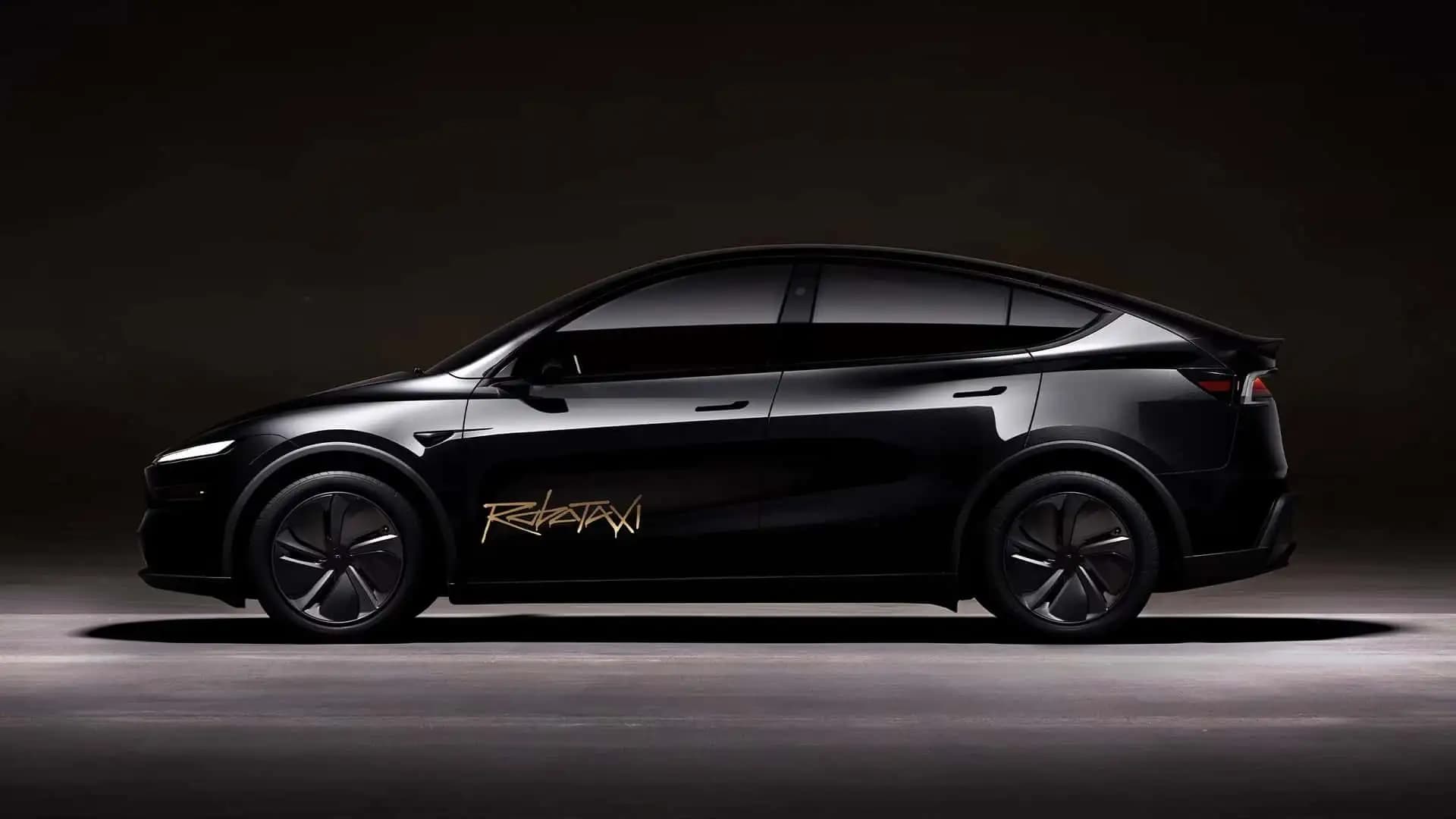
The Texas sun, a relentless eye in the vast, unforgiving sky, beats down upon the asphalt. It reflects off the sleek, metallic curves of… well, fewer than fifty Tesla vehicles cruising, not conquering, the promised land. This isn't the future Elon Musk envisioned. This isn't the autonomous revolution. This, my friends, is a sobering dose of reality, a stark contrast to the rocket-fueled pronouncements that have defined his career.
The Lede: Ghost Riders in the Autonomous Sky
Imagine, if you will, the scene. The promise of a fully autonomous fleet, a sea of Teslas effortlessly navigating Texas highways, ferrying passengers to and fro, a testament to technological supremacy. The reality? A trickle, a whisper of a presence, a number so small it borders on the embarrassing. The "promised land" isn't quite as promised. The robotaxi revolution, it seems, has stalled before it even left the starting gate.
This isn't just a news item; it's a narrative. It's the latest chapter in the ongoing saga of Elon Musk, a man whose ambition is matched only by his audacious pronouncements. And it's a story that demands a closer look. A story that asks: what went wrong? And more importantly: what happens now?
The Context: From Hyperloop Hype to Autonomous Angst
To understand the current predicament, we must rewind. Back to the days of Hyperloop dreams and Mars colonization fantasies. Elon Musk, a master of the grand narrative, has consistently painted a picture of a future dominated by Tesla's groundbreaking technology. Self-driving cars were central to this vision. A future where Tesla's would not only be a mode of transportation but also a cash-generating service.
The acquisition of DeepScale in 2019 was hailed as a key move to improve Tesla’s Autopilot, and the company has continued to pour resources into developing self-driving technology. The promise has always been immense: increased safety, reduced congestion, and a radical transformation of the transportation sector. These promises have fueled investor enthusiasm and customer loyalty, contributing significantly to Tesla's market capitalization.
However, the journey hasn't been smooth. The company has faced criticism over its Autopilot system, with accidents and safety concerns regularly making headlines. The ambitious timelines for full self-driving capabilities have been repeatedly pushed back. The public and financial markets are starting to wonder if the technology is there, if the regulatory hurdles can be cleared and whether the economic math of robotaxi deployment actually adds up. This is far from the autonomous utopia Musk has long predicted.
The Texas gambit, a key piece of the robotaxi puzzle, was meant to be a show of force, a display of Tesla's readiness to dominate the autonomous vehicle market. The decision to establish a major presence in the state, a state known for its business-friendly environment and regulatory flexibility, was a calculated move. Texas was supposed to be the launching pad. It's clear that it has not been, at least not yet.
The Core Analysis: Numbers, Narratives, and the Bottom Line
Let's talk numbers. Fewer than fifty. In a state as vast and diverse as Texas. This is not the scalable deployment that investors were promised. This isn't the disruptive force that would reshape the transportation landscape. This is a pilot program struggling to get off the ground, a cautionary tale written in the language of missed deadlines and unmet expectations.
The reasons for this slowdown are complex. The technology itself is proving more challenging than anticipated. The jump from advanced driver-assistance systems (ADAS) to full autonomy is a massive leap. It requires overcoming complex challenges relating to edge-case scenarios (unpredictable events), and robust computer vision and, most fundamentally, an understanding of the probabilistic nature of the world.
Regulatory hurdles are another significant factor. Autonomous vehicle regulations vary significantly by state, and navigating this patchwork of laws is a logistical nightmare. The National Highway Traffic Safety Administration (NHTSA) is still wrestling with the safety of these vehicles and has yet to offer a clear set of safety guidelines to encourage adoption. This lack of a clear, coherent legal framework creates a significant barrier to entry, particularly for large-scale deployments.
But beyond technology and regulation, there’s a critical question of strategy. How does Tesla intend to scale its robotaxi operation? Will it rely on its existing vehicle fleet, or will it create a purpose-built robotaxi? What is the business model? How will it compete with established ride-sharing services and other autonomous vehicle developers? These questions remain largely unanswered.
The financial implications are also significant. Tesla's stock price has often been inflated by the promise of future autonomous revenue. If the robotaxi dream continues to be delayed, the market could begin to reassess the company's valuation, which is a considerable risk, particularly at a time when competition in the EV market is heating up.
The cost of operating a robotaxi fleet is also crucial. Vehicle maintenance, insurance, and charging costs can quickly eat into profit margins, making it even harder to make autonomous taxis a lucrative business. The economics need to work, or the whole project is a non-starter.
And let's not ignore the human element. Elon Musk, a visionary with a penchant for hyperbole, has a proven ability to capture the public's imagination, but even the most charismatic leaders can't will technology into existence. The company needs to win the trust of consumers and demonstrate that the system is safe and reliable. Several high-profile crashes involving Tesla's Autopilot have done the opposite. It is unclear what changes have been made to address the concerns.
The "Macro" View: A Shifting Industry Landscape
The struggles of Tesla's robotaxi program have implications that extend far beyond the company's balance sheet. It affects the entire autonomous vehicle industry. Investors, once giddy with enthusiasm, may become more cautious. Start-ups, chasing the same dream, will face increased scrutiny. This moment echoes the dot-com bubble of the late 90s, where exuberant valuations led to a wave of failures and consolidations. The hype has not gone away, but the market is becoming more pragmatic.
For established automakers, the setbacks at Tesla could provide a window of opportunity. Companies like General Motors and Ford, which have made significant investments in autonomous vehicle technology, may be able to capitalize on Tesla's difficulties. However, competition from Waymo, Cruise, and other players intensifies. This is a high-stakes, rapidly evolving industry, and success will demand not just technological prowess but also a strong focus on safety, reliability, and business execution.
The regulatory landscape could shift dramatically. The government may take a more cautious approach to the development and deployment of autonomous vehicles, imposing stricter safety standards and regulations. This would slow down the process, but it could also create a more stable and predictable environment for the industry.
The implications also extend to the broader economy. The widespread adoption of autonomous vehicles could transform cities, reduce traffic congestion, and create new jobs. It could also eliminate millions of jobs in the transportation sector. The social and economic consequences of this transformation are profound and require careful consideration.
The Verdict: Crystal Ball Gazing – A Sobering Outlook
My seasoned prediction? The next year will be a period of significant challenge for Tesla's robotaxi ambitions. Expect further delays, regulatory hurdles, and potentially, continued safety concerns. The company will likely need to recalibrate its strategy, focus on improving the safety and reliability of its existing Autopilot system and build more trust with regulators and consumers.
In the next five years, the autonomous vehicle landscape will become more fragmented. Tesla will face increased competition from established automakers and well-funded start-ups. The market will become more mature, and the winners will be those who can demonstrate not just technological superiority but also a proven ability to scale their operations and comply with regulatory requirements.
Over the next decade, the impact of autonomous vehicles will be transformative. They will reshape the way we live, work, and move around. But the transition will be slow and uneven. There will be setbacks, failures, and periods of consolidation. The robotaxi revolution, as Elon Musk envisioned it, is unlikely to happen anytime soon. The question is, how will Tesla adapt to the new reality? Will it change its strategy, or will it persist in its pursuit of its vision?
One thing is certain: the future of autonomous vehicles is being written right now, in the unforgiving glare of the Texas sun. And the story is far from over. This is just the beginning.
Sources & further reading
Related analysis
- Amazon's Ascent: Navigating the Tides of Triumph – A Veteran's Guide to Playing the Stock
- Silicon Valley's Red Flag: Laura Loomer's Nvidia Assault – Is Jensen Huang's China Connection the Next Tech Scandal?
- Microsoft's Masterstroke: Why Wall Street Is Blind to the True Value of MSFT (And Why That's Their Advantage)
- Data Center Gold Rush: Why Infrastructure Construction Stocks Are the Only Game in Town
- Nomura's Walmart Exit: A Canary in the Coal Mine for Retail's Future?
- Jabil's AI Infrastructure Gamble: A High-Stakes Bet on the Future or a Mirage of Growth?