Ellison's Gambit: Is Oracle's Titan Carrying a Mountain of Debt?
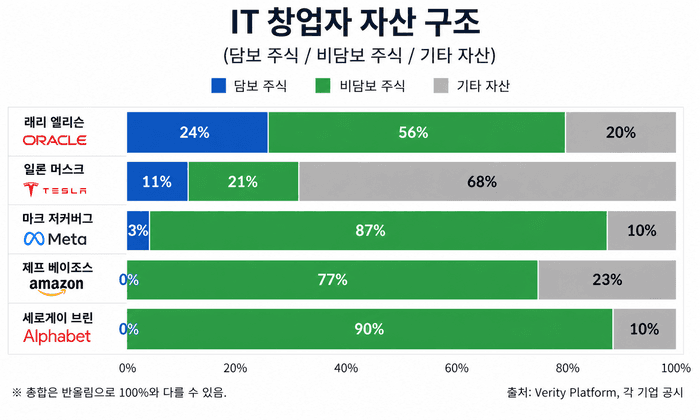
"Whispers in the Valley are growing louder. Sources indicate Larry Ellison, the man who built Oracle, is navigating a complex financial landscape, unlike his peers. This story delves into the potential implications of this mounting debt, the strategic calculus behind it, and what it signals for the future of Oracle and the tech industry. Prepare for a deep dive into the high-stakes game of Silicon Valley."
Key Takeaways
- •Larry Ellison's aggressive debt strategy, primarily through the Cerner acquisition, is drawing scrutiny.
- •The strategy could signal a calculated bet on future growth, leveraging low-interest rates, or a shift towards private equity-style financial engineering.
- •The outcome will significantly impact Oracle's future, the competitive landscape of the tech industry, and investor sentiment.
The Lede: The Island of Whispers
The Pacific sun, a relentless eye, beat down on Lanai. Larry Ellison's island, a monument to his ambitions, shimmered in the heat. But the air, as it often does in the rarefied atmosphere of billionaire playgrounds, carried a different kind of heat – a low hum of speculation. Whispers. They've been growing lately, gaining traction amongst the finance titans and their analysts. The subject? The debt. Specifically, the debt of Larry Ellison, the Oracle co-founder and, for a time, its CEO. The whispers suggest a situation unlike the carefully cultivated balance sheets of his contemporaries. It's a story of audacious bets, strategic maneuvering, and the ever-present question: is the emperor wearing borrowed clothes?
The Context: The Man, The Myth, The Balance Sheet
To understand the current situation, one must understand Larry Ellison. He is not merely a CEO; he is a force of nature. A master strategist, a ruthless competitor, and a man whose ego is as vast as the ocean surrounding his island. Ellison built Oracle from the ground up, a testament to his vision and relentless drive. He saw the future before many others, betting big on databases and enterprise software. But with that vision came a penchant for high-stakes deals, acquisitions that reshaped the industry, and a financial footprint that, while often successful, has always been… aggressive.
His recent moves, especially the acquisition of Cerner, have raised eyebrows. While the rationale – a play for the healthcare IT market – is clear, the financial engineering behind it is less so. The Cerner deal added significant debt to Oracle's already substantial liabilities, a move that starkly contrasts with the generally conservative approach of many tech giants in the post-pandemic era. Companies like Apple and Microsoft are flush with cash, deploying it to buy back stock and reward shareholders. Ellison, however, seems to be playing a different game. A more complex game.
This isn't to say that debt is inherently bad. In the hands of a skilled operator, it can be a powerful tool, a lever to amplify returns and accelerate growth. But it also magnifies risk. It demands constant vigilance, careful management, and a relentless focus on cash flow. And in the world of high finance, a mountain of debt can quickly become an avalanche.
The Core Analysis: Unpacking the Numbers, Unveiling the Strategy
Let's delve into the specifics. The acquisition of Cerner, while strategically sound, added tens of billions of dollars to Oracle's already considerable debt load. While Oracle's revenue has consistently performed well, the increasing debt-to-equity ratio is a cause for concern among many analysts. The debt burden isn't just about the raw numbers; it's about the implications. It ties up cash flow, limits flexibility, and makes Oracle more vulnerable to economic downturns or unforeseen market shifts.
The question then becomes: why? Why is Ellison, a man known for his shrewd financial acumen, taking on this level of debt? There are several possible explanations. The first, and perhaps most obvious, is a calculated bet on future growth. Ellison may believe that these acquisitions, and the strategic advantages they bring, will generate enough revenue to quickly pay down the debt and strengthen Oracle's position in the market. The Cerner deal, for instance, offers Oracle a strong foothold in the growing healthcare IT sector, a market with significant potential. This would echo Ellison's past tactics of betting heavily on the internet, SaaS, cloud computing, and more recently, AI.
Another possibility is a strategic move to leverage a low-interest-rate environment. By borrowing at relatively favorable rates, Ellison can finance these acquisitions and potentially generate higher returns. This requires discipline and a strong execution strategy, but it can be a highly effective way to fuel growth. But what happens if interest rates rise? What if the economic landscape changes? The risk, in this scenario, is undeniable.
A third, less discussed, possibility is a more fundamental shift in Ellison's strategy. Perhaps he's taking a page from the playbook of private equity firms, using debt to fuel growth and maximize returns. If he believes that Oracle can generate returns that are significantly higher than the cost of debt, then this could be a shrewd financial play. This would, however, represent a departure from Oracle's historical approach and signal a willingness to take on more risk.
The acquisitions themselves are also worthy of scrutiny. Oracle's history is filled with successful and less-than-successful mergers. The integration of Cerner, in particular, will be a critical test. Will Oracle be able to successfully integrate Cerner's operations, retain key talent, and unlock the synergies that justified the deal in the first place? Any missteps will put additional strain on the balance sheet and potentially undermine the entire strategy.
The final, and perhaps most intriguing, piece of the puzzle is Ellison's personality. He is known for his competitive spirit and his desire to win. He relishes the challenge of outmaneuvering his rivals. This could be a situation where Ellison is intentionally trying to intimidate competitors, to signal his confidence, and to assert Oracle's dominance. This is, in effect, a financial power move.
The "Macro" View: Reshaping the Tech Landscape
Ellison's moves, and particularly the debt load, could have profound implications for the entire tech landscape. First, it could create opportunities for competitors. If Oracle stumbles, if its debt burden becomes unsustainable, it could open the door for rivals to gain market share. This is especially true in areas like cloud computing and database management, where Oracle faces intense competition from companies like Amazon Web Services and Microsoft Azure.
Second, it could influence the broader market for mergers and acquisitions. If Ellison's strategy is successful, it could embolden other CEOs to take on more debt and pursue more aggressive growth strategies. Conversely, if Oracle struggles, it could lead to a more cautious approach to M&A, particularly in the tech sector.
Third, it could alter the balance of power in Silicon Valley. Oracle has always been a force to be reckoned with, but Ellison's recent moves could further solidify its position as a major player. If he can successfully navigate the challenges of his debt-fueled strategy, he could emerge as an even more dominant figure, shaping the future of the industry for years to come.
Finally, it could impact investor sentiment. If investors lose confidence in Oracle's ability to manage its debt, it could lead to a decline in the company's stock price, which in turn could affect the broader market. The tech sector is known for its volatility, and any uncertainty about Oracle's financial health could have a ripple effect.
The Verdict: Crystal Ball Gazing
The next few years will be a crucial test for Larry Ellison and Oracle. The debt is a double-edged sword: a source of both risk and opportunity. The potential payoff is huge: increased market share, expanded product offerings, and a stronger position in the rapidly evolving tech landscape. The downside, however, is equally significant: a potential financial crisis, a loss of investor confidence, and a decline in Oracle's overall fortunes.
In one year: The success of Cerner integration will be the key determining factor. Early signs will emerge, revealing whether Oracle can effectively leverage its acquisition to drive revenue growth and manage costs. Expect increased scrutiny on Oracle's quarterly earnings calls. Any significant hiccups in execution will trigger alarm bells, potentially impacting Oracle's stock price and leading to calls for a more conservative financial strategy. Expect analysts to be divided in their assessment of the situation: some will applaud Ellison's bold vision, while others will express concerns about the mounting debt.
In five years: The fate of Oracle's debt-fueled strategy will be largely decided. Either Oracle will have successfully integrated Cerner, reduced its debt burden, and achieved significant market share gains, solidifying its position as a tech powerhouse, or it will be grappling with the consequences of its aggressive financial engineering. If the latter prevails, expect divestitures, restructurings, and potentially a change in leadership. The competitive landscape will have shifted dramatically, with rivals like AWS and Microsoft Azure taking full advantage of any Oracle weakness. This is where we will see the real test of Larry Ellison's skills. A successful execution here would solidify his legacy for the next generation.
In ten years: Oracle will either be a dominant force in the global tech arena, or a cautionary tale of overreach. A thriving Oracle could be the center of innovation and a key component of critical infrastructure, while a struggling Oracle could be a shadow of its former self, a cautionary tale of a company that took on too much debt and lost its way. The long-term impact on the industry will be substantial. The choices made by Ellison now will define the company's place in history. The decisions, however, also involve potential risks, with implications for the U.S. economy, global markets, and geopolitical relations.
One thing is certain: in the high-stakes game of Silicon Valley, the only constant is change. And right now, the most intriguing change centers on Lanai, on the man who built Oracle, and on the mountain of debt that he seems to be carrying. It's a story that is far from over.
Sources & further reading
Related analysis
- Amazon's Ascent: Navigating the Tides of Triumph – A Veteran's Guide to Playing the Stock
- Silicon Valley's Red Flag: Laura Loomer's Nvidia Assault – Is Jensen Huang's China Connection the Next Tech Scandal?
- Microsoft's Masterstroke: Why Wall Street Is Blind to the True Value of MSFT (And Why That's Their Advantage)
- Data Center Gold Rush: Why Infrastructure Construction Stocks Are the Only Game in Town
- Nomura's Walmart Exit: A Canary in the Coal Mine for Retail's Future?
- Jabil's AI Infrastructure Gamble: A High-Stakes Bet on the Future or a Mirage of Growth?