Dell's AI Gambit: Michael Dell's Audacious Bet on Data, Courage, and the Future of Everything
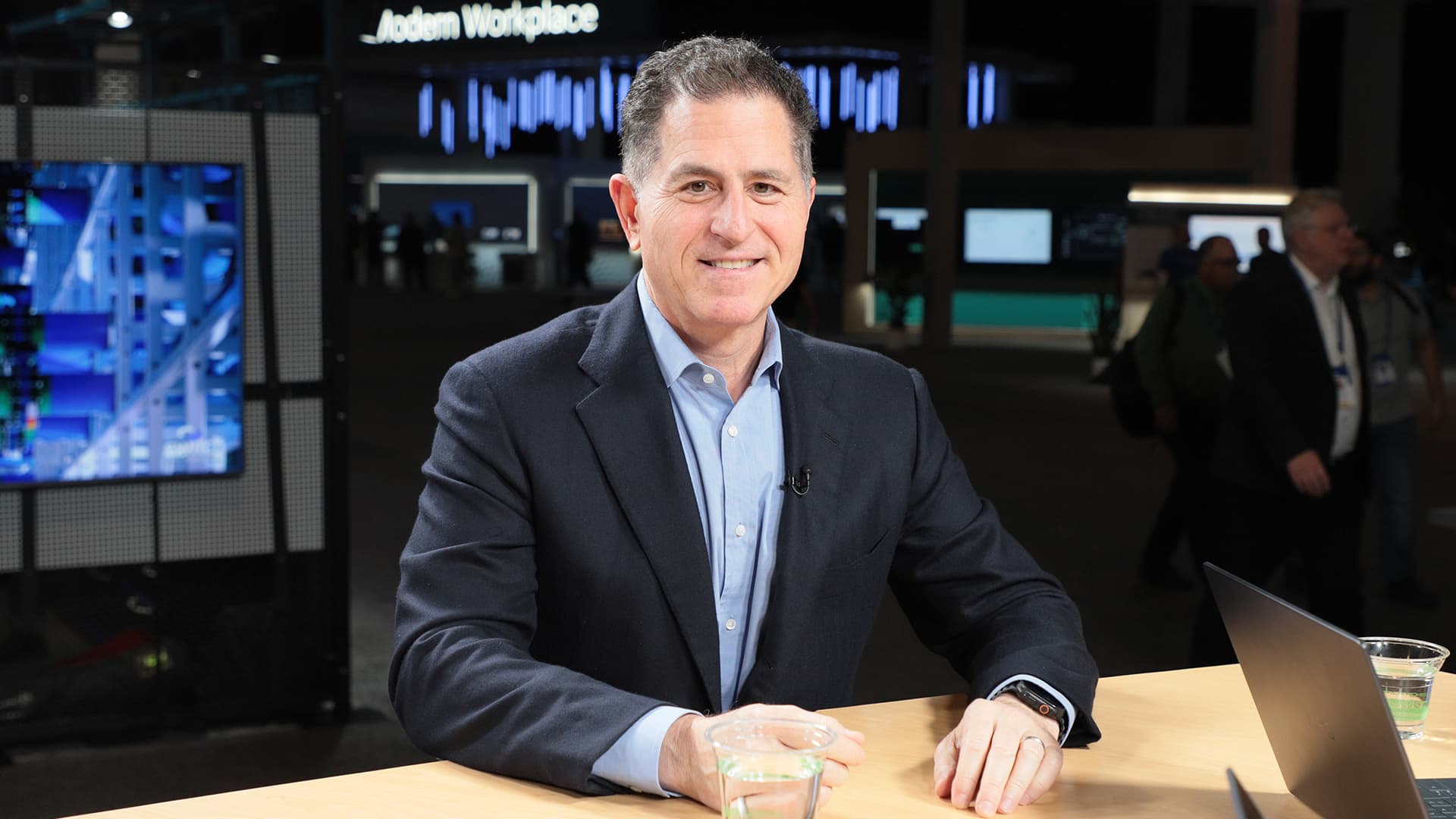
"Michael Dell is making a play. Forget incremental gains; this is a seismic shift. Leveraging its unparalleled infrastructure and data assets, Dell is positioning itself to be the indispensable provider in the AI era. The question isn't *if* they'll succeed, but *how* they'll reshape the balance of power."
Key Takeaways
- •Dell is betting heavily on AI-optimized infrastructure and hybrid cloud solutions.
- •Michael Dell's personal involvement and strategic vision are critical to the company's success.
- •Dell's move challenges the dominance of the cloud giants and accelerates the trend towards edge computing.
The Lede: The Servers Hum, The Stakes Soar
The air in the Austin boardroom crackled. Not with nervous energy, though there was plenty of that. No, this was the static of possibility, the hum of a thousand servers poised on the precipice. Michael Dell, a man whose face has graced the covers of business magazines for decades, surveyed the room. The faces around the polished mahogany table were a mix of seasoned veterans and fresh-faced data scientists, all united by a single, electrifying mission: to redefine Dell, and in doing so, to redefine the future.
This wasn't just another product launch, another quarterly earnings call. This was a declaration of war. A war not fought with missiles and tanks, but with algorithms and terabytes of data. The target? The very heart of the AI revolution. And Dell, once a dominant force in the PC era, was ready to seize the crown. The target was the cloud providers, the hyperscalers, the giants who now control the very digital infrastructure that defines our world.
The Context: From Assembly Line to Algorithmic Powerhouse
To understand Dell's current position, you have to rewind. Way back. Picture a young Michael Dell, a college dropout, assembling computers in his dorm room. That entrepreneurial spirit, that relentless focus on direct sales and customer satisfaction, became the bedrock of a global empire. Dell wasn't just selling computers; he was selling a vision of efficiency, affordability, and customization. It was a strategy that propelled them to the top of the PC market. But the landscape shifted.
The rise of cloud computing, the smartphone revolution – these were tectonic events that chipped away at Dell's dominance. The company was slow to adapt, caught flat-footed as the market moved from hardware to services. The acquisition of EMC in 2016 for a staggering $67 billion was, at the time, a bold move, a gamble designed to transform Dell into a data storage and enterprise solutions powerhouse. While it has been profitable, this strategic move wasn't the easy win everyone was expecting. The integration, the debt load, and the persistent need to innovate created a pressure cooker environment. This context is crucial. Because Dell is not only fighting for its survival, but also fighting to return to its previous glory.
The years following the EMC acquisition saw Dell navigating choppy waters. The PC market, though still significant, was no longer the growth engine it once was. The competition from cloud providers like Amazon Web Services (AWS), Microsoft Azure, and Google Cloud, which offered similar enterprise services, was relentless. The shadow of the old guard was ever present.
This is where the new narrative takes root. The AI boom. The hunger for data. The need for specialized hardware. Dell, with its vast infrastructure, its experience in the data center, and its long-standing relationships with enterprise customers, now had an opportunity to not just survive, but to thrive. To seize the AI revolution.
The Core Analysis: Data, Infrastructure, and the Will to Win
The core of Dell's strategy is deceptively simple: they understand the data. They understand the infrastructure. And they have the will to win. They have always focused on hardware, but now they are integrating their hardware solutions with AI software. Think of it as a comprehensive approach: they're not merely selling servers; they're selling the means to unlock the power of data.
Let's break down the key elements:
1. Data, Data Everywhere: Dell understands the importance of data. They are providing the essential pieces needed to process the incredible amounts of data AI requires. Dell is betting on the trend of data gravity. More companies will require the ability to house massive data in their own data centers.
2. AI-Optimized Infrastructure: This isn't just about selling servers; it's about selling purpose-built AI infrastructure. This means optimizing their PowerEdge servers for AI workloads, integrating with leading AI frameworks like TensorFlow and PyTorch, and providing the storage and networking solutions necessary to handle the massive datasets that fuel AI models. This is where the EMC acquisition pays off in spades. Dell is offering the robust, high-performance, and scalable infrastructure that AI deployments demand. They're making a play to become the plumbing for the AI revolution.
3. The Software Advantage: Dell is evolving to provide integrated solutions that are user friendly. The user experience is crucial, and it’s no longer enough to offer just hardware. Dell has been acquiring, investing, and integrating software solutions to make sure the end user has the best possible experience. Dell is providing the services, the software, the entire ecosystem that make AI accessible to businesses of all sizes. This is where they will compete with the hyperscalers.
4. The Hybrid Cloud Play: Dell understands that the future is hybrid. Not every company will or can move everything to the public cloud. They're also offering solutions that enable businesses to run AI workloads across on-premises data centers, private clouds, and public clouds. This hybrid approach gives Dell a significant advantage. They provide choice and flexibility, meeting customers where they are on their AI journeys.
5. The Financials: This is where it gets interesting. While the exact figures are always closely guarded, the investment in AI infrastructure is massive. However, the profit margins on AI hardware and services are significantly higher than those on traditional PCs. Dell is betting that by focusing on AI, they can boost their revenue and regain their status among the top players. The company has a history of shrewd financial maneuvers. They have weathered storms before, and they are now positioning themselves for long-term growth.
6. The Michael Dell Factor: Michael Dell is not a man who makes half-hearted decisions. He is a hands-on CEO who understands the technology, the market, and the competition. He sees the AI revolution as a transformational opportunity. His personal involvement and drive are critical to Dell's success. This echoes Steve Jobs' return to Apple in 1997, where he reorganized the company and put the company back on track. Dell is doing the same.
The "Macro" View: Reshaping the Industry Landscape
Dell's move is more than just a strategic pivot; it's a shot across the bow of the entire tech industry. They are going against the grain of the trend toward cloud dominance, making a play for the edge, where data is generated and processed. Here's how this changes the game:
1. Undermining the Cloud Giants: Dell is challenging the dominance of AWS, Azure, and Google Cloud. By providing a viable alternative for AI infrastructure, they're giving businesses a choice. They are providing companies with the ability to maintain greater control over their data, reduce latency, and potentially lower costs. This could slow the relentless march towards cloud hegemony.
2. Accelerating the Edge: The edge is where the action is. With the increasing use of IoT devices, sensors, and data-intensive applications, processing data closer to its source is critical. Dell's focus on AI at the edge, offering optimized infrastructure for distributed AI deployments, will accelerate this trend. They have the capability to make AI ubiquitous, not just in the data center, but everywhere.
3. Forcing Innovation: Dell's aggressive push into AI will force other players to innovate, to respond. We can expect to see increased investment in AI-optimized hardware, software, and services across the industry. This means more competition, which ultimately benefits the end user.
4. Reshaping Alliances: Dell is building new alliances and partnerships. Dell is also strengthening its existing relationships with software vendors, system integrators, and other technology providers to create a robust ecosystem for its AI solutions. This collaborative approach is critical for success in the complex world of AI.
5. The Return of the Hardware Titans: This move signals a resurgence of the hardware titans. For years, the story has been about the rise of software and services. Dell's pivot highlights the enduring importance of hardware. The future of AI is not just about algorithms; it's about the silicon, the storage, and the infrastructure that powers them.
The Verdict: Crystal Ball Gazing
So, what happens next? What does the future hold for Dell? Here's my take, based on decades of watching this game unfold:
1-Year Outlook: Dell will make significant gains. They will capture market share in the AI infrastructure space. They will solidify their partnerships and build out their ecosystem. The financials will improve. Expect to see increased revenues from AI-related products and services, and expect to see Wall Street take notice. Dell will be considered as a buy.
5-Year Outlook: Dell will be a dominant player in the AI ecosystem. They will challenge the cloud giants, and they will become the go-to provider for hybrid AI solutions. They will be at the forefront of the edge computing revolution, powering the next generation of data-intensive applications. Dell will be seen as a bellwether of the industry, and it will be mentioned in the same breath as the big players.
10-Year Outlook: Dell will be transformed. The company will be a global leader in AI, with its brand synonymous with innovation and technological prowess. They may acquire companies, they may spin off business units, but their core strength, and their position in the market, will be unassailable. Michael Dell will be remembered as the visionary who not only built a computer empire, but who also navigated the storms of change, and then steered his ship to a new destination.
The journey won't be easy. The competition is fierce. The stakes are immense. But one thing is clear: Michael Dell and his team are all in. They are betting on data, on infrastructure, and on the courage to disrupt. And in the world of technology, that's often the winning formula.
Sources & further reading
Related analysis
- Amazon's Ascent: Navigating the Tides of Triumph – A Veteran's Guide to Playing the Stock
- Silicon Valley's Red Flag: Laura Loomer's Nvidia Assault – Is Jensen Huang's China Connection the Next Tech Scandal?
- Microsoft's Masterstroke: Why Wall Street Is Blind to the True Value of MSFT (And Why That's Their Advantage)
- Data Center Gold Rush: Why Infrastructure Construction Stocks Are the Only Game in Town
- Nomura's Walmart Exit: A Canary in the Coal Mine for Retail's Future?
- Jabil's AI Infrastructure Gamble: A High-Stakes Bet on the Future or a Mirage of Growth?