Arnault's Riviera Gambit: Cap Estel, €200M, and the New Era of Luxury's Land Grab
"Bernard Arnault has done it again. The acquisition of the iconic Cap Estel hotel for a cool €200 million is not just a real estate deal; it's a statement. This move solidifies LVMH's dominance, revealing a strategic pivot toward experiential luxury and a relentless pursuit of generational wealth, leaving competitors scrambling to catch up."
Key Takeaways
- •Bernard Arnault's acquisition of Cap Estel for €200M signals a strategic pivot towards experiential luxury, consolidating LVMH's dominance in the high-end market.
- •The deal exemplifies a trend of blurring lines between luxury products and experiences, with LVMH aiming to control the entire consumer journey.
- •This move is predicted to accelerate consolidation in the luxury hospitality sector, challenging competitors and reshaping the industry landscape for years to come.
The Lede (The Hook)
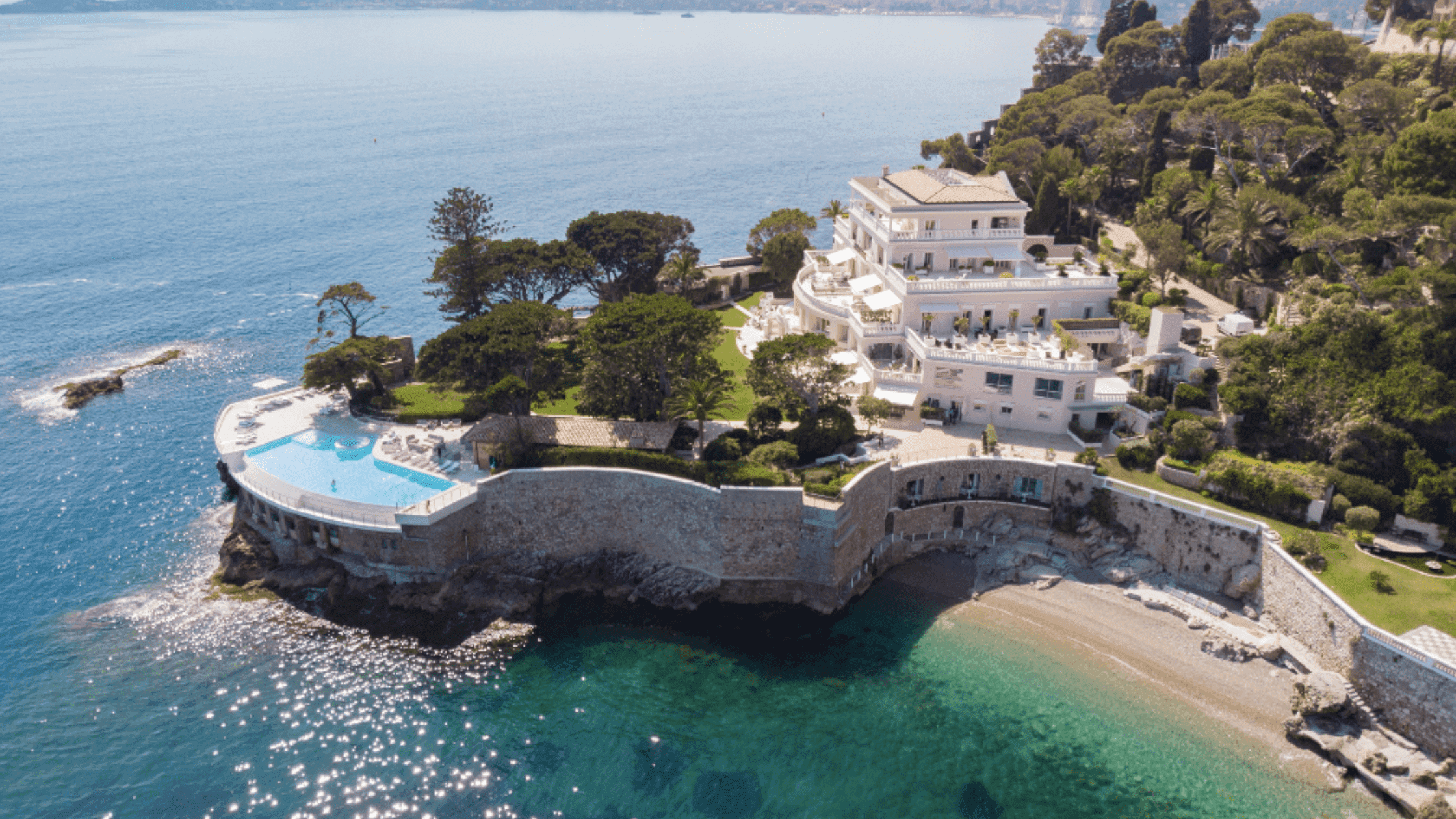
The Mediterranean sun, a merciless spotlight. The turquoise waves of the Côte d'Azur, a hypnotic backdrop. And at the epicenter of it all, Cap Estel, perched like a bejeweled tiara on the French Riviera. But this isn't just another postcard-perfect scene. This is a battlefield. A battlefield where Bernard Arnault, the chairman and CEO of LVMH, has just fired a significant shot. A €200 million bullet, precisely aimed at the heart of the luxury hospitality sector. The acquisition of Cap Estel isn't merely a purchase; it's a declaration. A declaration that the relentless pursuit of perfection, the unyielding grasp for dominance, is still the name of the game. And that Arnault, at 75, remains the undisputed master.
Picture this: the hushed whispers of the international elite, the flash of cameras, the clinking of champagne flutes on the terrace, overlooking the sea. The air, thick with the scent of money, privilege, and the subtle perfume of ambition. This is the world Arnault operates in, a world where every detail is meticulously curated, where appearances are everything, and where the next acquisition is always just a phone call away. Cap Estel, with its history of hosting royalty, celebrities, and titans of industry, is now firmly under LVMH's control, a glittering trophy in the already overflowing cabinet of the world's largest luxury conglomerate.
The deal, finalized in recent weeks, sent ripples of speculation through the industry. The price tag alone – a cool €200 million – is enough to make even the most seasoned investors raise an eyebrow. But this isn't about mere real estate; it's about cementing a legacy. It's about controlling every aspect of the luxury experience, from the exquisitely crafted handbag to the flawlessly executed stay. It's about ensuring that the Arnault family's empire continues to thrive, not just in the present, but for generations to come. This is a move that whispers of a power play, a land grab, a strategic shift that could redefine the very essence of luxury travel.
The Context (The History)
To understand the significance of the Cap Estel acquisition, one must understand the man behind the move. Bernard Arnault is not just a businessman; he's a strategist, a visionary, and, above all, a collector. He has an unparalleled ability to identify undervalued assets, to see potential where others see only risk. He’s the architect of a sprawling empire that spans fashion, spirits, watches, jewelry, and now, with increasing intensity, hospitality.
Arnault's journey to becoming the wealthiest person in Europe is a masterclass in calculated ambition. His early career in real estate, coupled with an astute understanding of market trends, laid the foundation for his future success. The pivotal moment, the '90s takeover of Christian Dior, was a strategic masterpiece, setting the stage for the consolidation of luxury brands under the LVMH umbrella. This mirrored, in a way, the hostile takeover tactics of Wall Street in the 80s, but with a far more refined and long-term vision. Arnault, unlike many corporate raiders, didn't just want to break things; he wanted to build an enduring legacy.
Consider the history: the acquisitions of Louis Vuitton, Moët & Chandon, Hennessy, Sephora... each a carefully orchestrated move, adding another brick to the edifice of LVMH. Each brand, treated not just as a financial asset, but as a piece of art, a symbol of aspiration. Each purchase a testament to Arnault's belief that true luxury extends beyond the product itself; it encompasses the entire experience. This philosophy, in turn, fueled his interest in hotels and resorts. His moves into hospitality began years ago, but now, with Cap Estel, it's clear he's accelerating this strategy. The Cheval Blanc hotels, the recent acquisition of Belmond – these are not random purchases; they are strategic plays to control the entire consumer journey, from the moment a client decides to spend their money to the last detail of their experience.
The French Riviera, long a playground for the world's elite, has seen its share of high-profile deals. But this one feels different. It's not just about a trophy property; it's about establishing a presence, a physical manifestation of LVMH's dominance in the luxury sphere. Cap Estel, with its prime location and storied past, provides the perfect canvas for Arnault's vision: an exclusive sanctuary where the world's wealthiest can indulge in the ultimate luxury experience, all under the watchful eye of the LVMH empire.
The Core Analysis (The Meat)
Let's dissect the numbers. €200 million. That's a significant investment, even for LVMH. While the specifics of the deal remain under wraps, the purchase price likely reflects the premium attached to the Cap Estel brand, its prime location, and the potential for future development. But what does LVMH get for its money? First, they get a crown jewel. Cap Estel's history provides an instant injection of cachet. This isn't a new build; it’s an established brand with pre-existing credibility, instantly associating LVMH with a legacy of luxury.
Secondly, LVMH gains a strategic foothold in a highly desirable market. The French Riviera is perennially popular, attracting high-net-worth individuals and celebrities from around the globe. Owning a prime property in this area grants LVMH direct access to a highly coveted customer base, creating opportunities for cross-promotion and synergy with its other brands. Imagine guests at Cap Estel sipping Dom Pérignon, wearing Dior sunglasses, and carrying Louis Vuitton luggage – a captive audience of luxury consumers, all under the LVMH umbrella.
Thirdly, and perhaps most importantly, the acquisition signals a shift towards experiential luxury. In a world saturated with tangible goods, consumers are increasingly seeking out unique experiences. By controlling Cap Estel, LVMH can offer a curated lifestyle, a complete immersion in the world of luxury. This includes everything from the service, the interior design, and the dining experience to the subtle details like the scent of the lobby and the choice of music.
The winners in this deal are clear: LVMH and, by extension, the Arnault family. The losers? Potentially, the competition. Other luxury brands and hotel groups are now forced to re-evaluate their strategies, wondering how they will compete in an environment where LVMH is increasingly dominant in both products and experiences. The deal puts pressure on companies like Kering (Gucci, Saint Laurent) and Richemont (Cartier, Van Cleef & Arpels) to accelerate their own moves into the hospitality sector. They will need to identify and secure prime properties to maintain a competitive edge. The independent hotel groups, the smaller players who cannot compete with LVMH's financial clout, will also face pressure. Their ability to survive in this new environment will depend on their ability to offer something unique, something that cannot be replicated by the luxury behemoth.
The hidden agenda? The continuous expansion of the Arnault family's control. Each acquisition adds to their power. Each move strengthens their position. It's a game of chess, and Arnault is playing multiple moves ahead. They're not just buying hotels; they're buying experiences, and they're buying the future of luxury.
The "Macro" View
The Cap Estel acquisition is a symptom of a larger trend: the blurring of lines between product and experience in the luxury market. For years, luxury brands have focused on producing exquisite goods. Now, they're realizing that the true value lies in the complete lifestyle, the environment in which those goods are consumed. This is where the money is now. The trend mirrors the evolution of the tech industry, where companies are moving from selling hardware to controlling ecosystems. Apple, Google, and Amazon didn't just sell phones, search engines, and books; they built entire ecosystems that dictate how we live, work, and consume. LVMH is following the same path.
The ramifications are vast. First, it will likely accelerate the consolidation of the luxury hospitality sector. We can expect to see more acquisitions, more partnerships, and more strategic alliances. Smaller players will either be absorbed or forced to specialize, catering to niche markets. Second, it will redefine the luxury experience. Expect to see more integrated offerings, where brands seamlessly blend their products with hospitality, travel, and lifestyle experiences. The days of simply buying a handbag or a watch are fading. Luxury consumers now demand immersion in a complete brand world, a curated journey that caters to their every desire.
This shift will also have significant implications for the marketing and branding landscape. Luxury brands will need to move beyond traditional advertising and embrace experiential marketing, creating immersive events, pop-up shops, and exclusive experiences. The focus will be on building relationships with customers, fostering a sense of community, and creating brand loyalty. Social media will become even more critical, allowing brands to curate their online presence and engage with their target audience.
Finally, this trend could further exacerbate the wealth gap. While luxury brands cater to the elite, the cost of these experiences is likely to rise, making them even more inaccessible to the masses. The ultra-wealthy will retreat further into their exclusive enclaves, while the rest of the world watches from the outside. This could lead to a backlash, a growing resentment of extreme wealth and a demand for greater social and economic equality. The brands that fail to recognize this risk face potential reputational damage in the future.
The Verdict (Future Outlook)
Here’s the hard truth, the unvarnished forecast. In one year, we'll see LVMH, flush with the success of Cap Estel, announcing further acquisitions in key luxury destinations. They'll be fine-tuning the guest experience, integrating their brands seamlessly, and quietly eroding the market share of competitors. Expect a surge in luxury travel spending, fueled by an insatiable appetite for exclusive experiences.
Five years out, LVMH's hospitality portfolio will be a global force. The Arnault family will have solidified its dominance, setting the standard for luxury experiences. They will have successfully integrated technology into the experience – think personalized service, augmented reality, and other innovations that will further elevate the guest experience. The lines between their brands will continue to blur, making their presence feel omnipresent, almost unavoidable. The competition, meanwhile, will be scrambling to find their footing.
Ten years from now? Bernard Arnault might be stepping back, though the Arnault family's influence will be stronger than ever. Their empire will be even more diversified, reaching into all aspects of the luxury consumer’s life. Expect a new generation of Arnaults to be at the helm, carrying the torch, continuing the relentless pursuit of perfection, and expanding their empire further. They will, in many ways, redefine luxury. The Cap Estel acquisition will be seen not just as a deal, but as a pivotal moment, a turning point that changed the game, setting the stage for decades of growth and influence. It will be seen as the ultimate victory in the ongoing battle for the hearts, minds, and wallets of the world’s wealthiest consumers. And Arnault will be remembered as the undisputed master strategist who saw the future and seized it before anyone else even understood the game was on.
Sources & further reading
Related analysis
- Amazon's Ascent: Navigating the Tides of Triumph – A Veteran's Guide to Playing the Stock
- Silicon Valley's Red Flag: Laura Loomer's Nvidia Assault – Is Jensen Huang's China Connection the Next Tech Scandal?
- Microsoft's Masterstroke: Why Wall Street Is Blind to the True Value of MSFT (And Why That's Their Advantage)
- Data Center Gold Rush: Why Infrastructure Construction Stocks Are the Only Game in Town
- Nomura's Walmart Exit: A Canary in the Coal Mine for Retail's Future?
- Jabil's AI Infrastructure Gamble: A High-Stakes Bet on the Future or a Mirage of Growth?