Arnault's Annual Haul: A Calculated Power Play or a Sign of Peak LVMH?
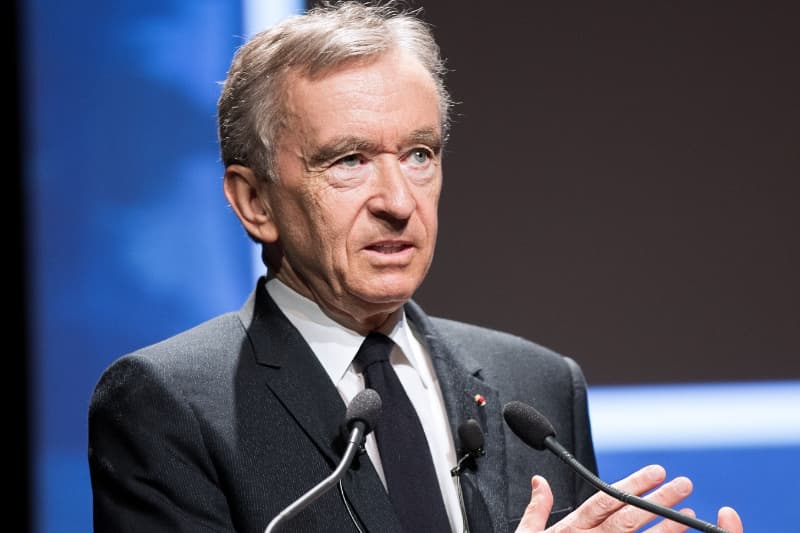
"Bernard Arnault's compensation package has been revealed, sparking a firestorm of whispers and speculation. This isn't just about money; it's a meticulously crafted signal to the market, a power play designed to cement LVMH's dominance and secure his family's legacy. But behind the glitz and glamour, questions linger about the sustainability of their current trajectory."
Key Takeaways
- •Arnault's compensation package is a strategic power play designed to reinforce LVMH's dominance.
- •The compensation structure reflects the company's priorities, signaling intent to employees, shareholders, and competitors.
- •The impact will be felt across the luxury industry, potentially accelerating consolidation and reshaping investor expectations.
The Lede: The Gilded Cage and the Golden Handshake
The Paris rain, a relentless, silver sheet, mirrored the mood in the cobbled streets surrounding Avenue Montaigne. Inside, at the heart of LVMH's empire, a different kind of storm was brewing. The news, like a carefully dropped perfume, had finally wafted through the haute couture halls: Bernard Arnault’s annual compensation. Not just the numbers, but the *implication* of those numbers. This wasn't merely a financial transaction; it was a statement. A declaration of war, a velvet glove around an iron fist, a calculated risk, all meticulously assembled with the precision of a master watchmaker, a skill Arnault is intimately familiar with.
The details, predictably, are staggering. Enough to make lesser mortals choke on their croissants. But this is Bernard Arnault. This is LVMH. This is the rarefied air of the ultra-luxury goods industry, where fortunes are measured in billions and egos in empires. The release, as always, was carefully timed. A week before the annual shareholder meeting, subtly designed to preemptively quell any dissent. Yet, the numbers were not designed to merely placate – they were designed to dominate the narrative, to send a clear message: Arnault remains firmly in control, and the machine continues to purr.
This is not merely an earnings report; this is a Shakespearean drama playing out in real-time, with Arnault as the unflinching king, surrounded by his court of loyal executives, ambitious family members, and the ever-watchful analysts. The game, as always, is about more than just money. It's about power, legacy, and the relentless pursuit of perfection in a world where luxury is both the product and the battlefield.
The Context: From Textile Tycoon to Luxury Titan
To understand the significance of Arnault’s annual compensation, one must journey back in time, to a different era. To the post-war industrial landscape of France, where a young Bernard Arnault, armed with a degree in engineering, began his ascent. He wasn't born into luxury; he built it. He saw opportunity where others saw obsolescence. He understood, with a prescience that would become his hallmark, the power of branding, the allure of exclusivity, and the inherent value of aspiration. His initial acquisitions were strategic, not sentimental. The takeover of Boussac, the bankrupt textile empire, provided the foundation. Then came Christian Dior, a name synonymous with elegance and the genesis of what would become the LVMH empire.
This was no accident. Arnault, like a skilled chess player, was thinking several moves ahead. The acquisition of Dior was not an end in itself; it was a means to an end. A gateway to the world of luxury goods. He then masterfully orchestrated the merger of Louis Vuitton and Moët Hennessy, creating LVMH. He outmaneuvered rivals, played them against each other, and solidified his control. This was a hostile takeover, in the gentlest possible terms. Every move calculated, every risk assessed, every victory earned. His playbook: identify undervalued assets, leverage financial acumen, and ruthlessly pursue growth.
This period saw the acquisition of iconic brands: Givenchy, Céline, Loewe, and Sephora. Each addition strengthened the LVMH portfolio, transforming it into a formidable force. His ability to identify and cultivate talent, to instill a culture of excellence, and to consistently deliver impressive results cemented his reputation as a visionary leader. This relentless pursuit of excellence is not only a business strategy; it is a mindset, a way of life. The result? LVMH became the undisputed king of luxury, a symbol of opulence and aspiration for consumers worldwide. This is the context within which Arnault’s compensation must be viewed. It is not just the reward for a year's work; it is the price of maintaining that dynasty.
The Core Analysis: Digging Beneath the Surface
The numbers themselves are, of course, the starting point. The specific details, subject to the usual caveats of complex financial reporting, offer a glimpse into the mechanics of power. Base salary, performance bonuses, stock options, and other perks: The sums involved are beyond the comprehension of most. The structure of the compensation package is crucial, revealing the priorities of the board and the motivations of the man at the helm. Is there a larger portion tied to long-term performance? Or is it a mix of performance and control?
The annual compensation likely reflects several key factors: robust sales growth in key markets, especially in Asia; the continued success of Dior, Vuitton, and other core brands; and the strategic acquisitions that have expanded LVMH’s reach and influence. A significant portion will be tied to achieving specific financial targets. But beyond the hard numbers lies the more intriguing narrative: the strategic implications of the compensation structure. Does the compensation incentivize short-term gains at the expense of long-term sustainability? Or does it align the interests of the CEO with the long-term health of the company?
The compensation also serves as a potent signaling mechanism. It sends a message to both internal stakeholders and external observers. To employees, it says, “We are performing well, and you will be rewarded.” To shareholders, it says, “Our leadership is competent, and your investment is secure.” To competitors, it says, “We have the resources to attract and retain the best talent, and we will continue to dominate the market.” This signaling is a key element of Arnault’s strategy. He’s not just building a business; he’s building an impenetrable fortress. The compensation package is a major component of this fortress.
Then there's the question of family. Arnault has meticulously groomed his children for leadership roles within the LVMH empire. The compensation structure will undoubtedly factor in the succession plan. Is the compensation designed to ensure the smooth transition of power to a family member? Does it provide incentives for the next generation to perform at the highest level? The annual compensation report is a glimpse into the future of the company – it’s a blueprint of the Arnault family’s influence on the luxury industry, which is here to stay.
This is where the psychological aspect becomes critical. Arnault is known for his relentless ambition and his unwavering pursuit of excellence. This ambition is a key driver of LVMH's success. The compensation, therefore, must reflect this. It must be motivating, stimulating, and challenging. It must be a reflection of the extraordinary pressures and the high stakes. The compensation package has been carefully crafted. Every component is designed to maintain the competitive spirit and drive the company forward. The compensation isn’t just a payment; it’s a weapon.
The Macro View: Reshaping the Luxury Landscape
The repercussions of Arnault’s compensation extend far beyond the walls of LVMH. His strategy reverberates throughout the entire luxury goods industry, acting as a statement of intent. The compensation has the potential to impact several areas: the talent wars, the competitive landscape, and the expectations of investors. Other luxury companies will now need to evaluate their own compensation packages, and how they stack up. This sets a new benchmark for CEO compensation in the sector, forcing competitors to either match or exceed it to retain top talent. This will fuel an arms race for the best executives, potentially leading to inflated salaries and a shift in the balance of power.
This could further consolidate the industry, making it harder for smaller players to compete. The ability to offer competitive compensation packages is a significant advantage, potentially driving consolidation and further increasing LVMH's dominance. This impacts the broader industry and reshapes investor expectations. Investors will scrutinize other luxury brands more closely. They will want to know how well they’re positioned to compete with LVMH. The expectations of both institutional and retail investors will be heightened. This increased scrutiny will put pressure on the management of other luxury firms to deliver impressive results, which increases the pressure on them to adapt and evolve.
This highlights the continued shift in the luxury market toward established brands with deep pockets and global reach. This dynamic underscores the importance of strong leadership, powerful branding, and a global presence. It serves as a reminder that the luxury market is dynamic, evolving, and highly competitive. The ability to attract and retain top talent is, therefore, crucial. The luxury market has always been about more than just wealth; it's about power and prestige. Arnault’s compensation confirms this, and the luxury industry will change based on this.
The Verdict: A Dynasty Forged in Fire
What happens next? In the short term, LVMH will likely continue its impressive growth trajectory. The carefully calibrated annual compensation package will help to ensure that. The message is clear: the existing strategy is working, and there is no need to deviate. Expect continued innovation, strategic acquisitions, and the unwavering pursuit of market share. This will also give them an edge in attracting and retaining talent. The luxury industry remains resilient and robust. The strength of LVMH’s brand portfolio is a powerful asset. The luxury market is shifting towards global expansion, especially in emerging markets.
In the five-year outlook, LVMH will face challenges. The luxury market is dynamic and is subject to economic fluctuations, geopolitical risks, and evolving consumer preferences. Sustainability and ethical concerns will become increasingly important, influencing purchasing decisions. There will be constant pressure to innovate and adapt, to stay ahead of the competition, and to maintain brand relevance. But the Arnault family is well-positioned to overcome these challenges. The existing structure of governance and the experience of its leaders are a major advantage.
Over the next decade, the long-term impact is more profound. LVMH will continue to consolidate its position as the preeminent luxury goods conglomerate. However, the landscape will undergo fundamental changes. The younger generation's preferences will evolve, and there will be an increased focus on digital channels and sustainable practices. The luxury market will become more democratized, and consumers will demand greater transparency. Arnault will eventually hand over the reins. The succession will be a critical test of LVMH’s strength. His legacy will depend on his ability to transition the leadership and ensure its continued success. His legacy will be defined not just by wealth, but by the enduring strength of the brands he built and the empire he created. This is a story of power, ambition, and the relentless pursuit of excellence – a narrative that will continue to unfold in the years to come.
Sources & further reading
Related analysis
- Amazon's Ascent: Navigating the Tides of Triumph – A Veteran's Guide to Playing the Stock
- Silicon Valley's Red Flag: Laura Loomer's Nvidia Assault – Is Jensen Huang's China Connection the Next Tech Scandal?
- Microsoft's Masterstroke: Why Wall Street Is Blind to the True Value of MSFT (And Why That's Their Advantage)
- Data Center Gold Rush: Why Infrastructure Construction Stocks Are the Only Game in Town
- Nomura's Walmart Exit: A Canary in the Coal Mine for Retail's Future?
- Jabil's AI Infrastructure Gamble: A High-Stakes Bet on the Future or a Mirage of Growth?