Adani & Uber: A Data Center Deal That Signals India's Tech Titans Have Arrived
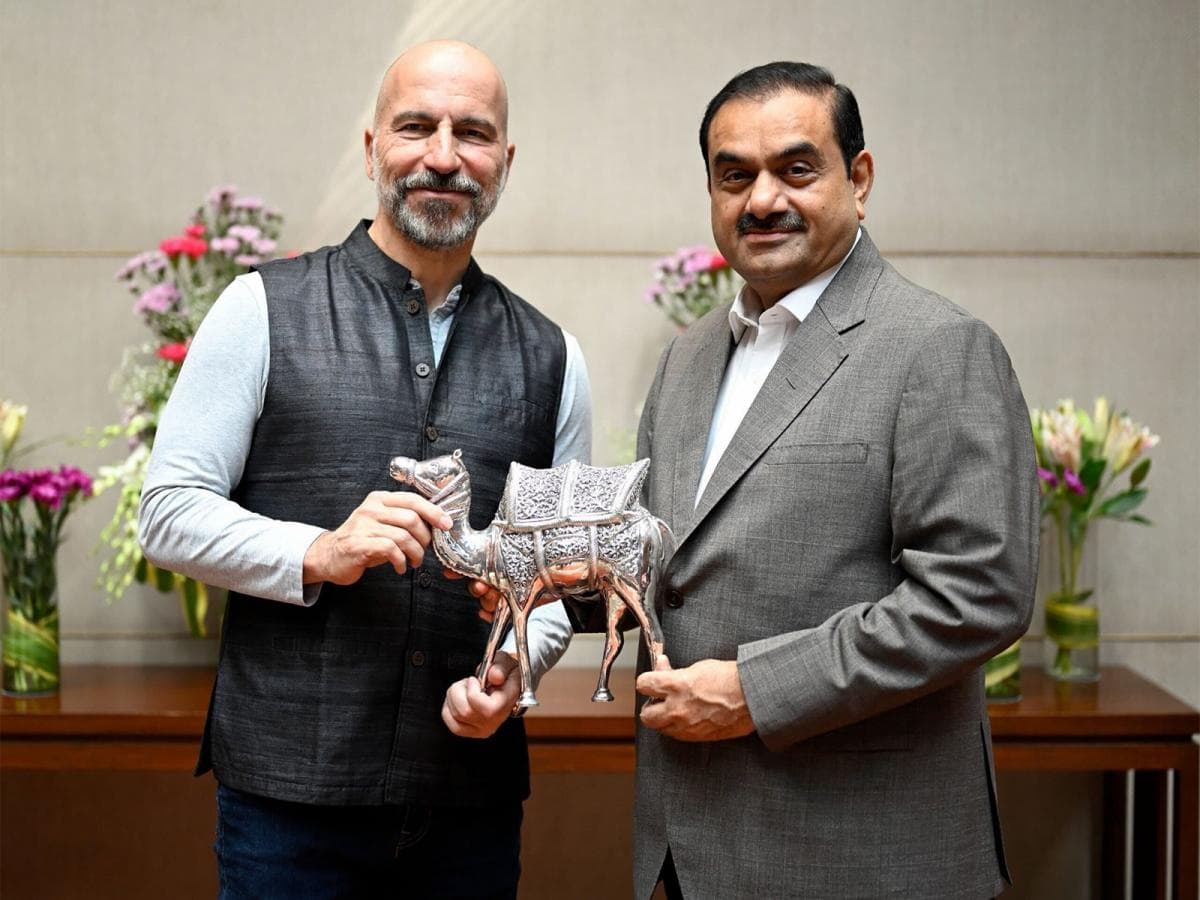
"Uber's CEO has just shaken hands with Gautam Adani, signaling a massive bet on India's digital future. This isn't just a data center; it's a strategic beachhead. Expect this alliance to reshape India's tech landscape and send ripples across the global ride-hailing and infrastructure markets. The old guard is officially on notice."
Key Takeaways
- •Uber's partnership with Adani marks a significant strategic move into India's digital infrastructure.
- •This deal is expected to reshape the data center market in India, with Adani becoming a dominant player.
- •The partnership underscores the growing convergence of industries and the importance of strategic alliances in a rapidly evolving market.
The Mumbai sun beat down, turning the air thick and heavy. Inside a sleek, air-conditioned conference room overlooking the Arabian Sea, a different kind of heat was being generated. It wasn't the mercury, but the sparks flying between two titans. Dara Khosrowshahi, the CEO of Uber, and Gautam Adani, the chairman of the Adani Group, had just concluded a meeting. The news? Uber is setting up its first data center in India, and it's doing it with the Adani Group. This is not just a partnership; it’s a declaration. A declaration that India's digital destiny is now being forged in fire, and these two are the master blacksmiths.
The Lede: A High-Stakes Handshake
The scene was a stark contrast to the chaotic streets of Mumbai, the usual hunting ground for Uber's app. Here, power resided in hushed tones, meticulously crafted presentations, and the weight of billions. Khosrowshahi, a man known for his calculated moves, had chosen his dance partner wisely. Adani, a figure synonymous with India's infrastructure boom, had built an empire on identifying – and capitalizing on – the future. This meeting wasn't about ride-hailing; it was about laying the foundation for the digital infrastructure that will power not just Uber's Indian operations, but potentially the entire region.
The air crackled with anticipation. The announcement had been carefully orchestrated, a carefully worded statement issued to the press, yet the true implications were lost on the casual observer. This was a deal that whispered of long-term strategic vision, of the kind of foresight that defines winners and separates them from the also-rans. It was a deal that, in its quiet power, echoed the tectonic shifts that re-shaped industries.
The Context: The History Shaping the Future
To understand the gravity of this moment, one must rewind the tape. Uber's history in India has been a rollercoaster. They battled local competitors, regulatory hurdles, and a price-sensitive market. They've poured billions into the market, learning the hard lessons of adaptation. They realized that success in India wasn't just about ride-hailing; it was about understanding the local nuances, the infrastructure constraints, and the immense potential of a digitally connected billion-plus population.
Gautam Adani, meanwhile, had been quietly building his empire. Starting with commodities and infrastructure, the Adani Group had gradually diversified, with a laser focus on the future. They saw the looming demand for data centers, the relentless growth of digital consumption, and the inevitable need for massive, secure, and reliable data storage. His investments are not short-term plays, they are generational bets. They are built to last.
The meeting of these two forces was inevitable. Uber needed robust infrastructure to manage its exploding data needs in India. Adani needed a key anchor tenant to solidify his position in the data center market. The partnership was a perfect fit, a strategic marriage designed to unlock exponential growth.
Think back to the late 1990s and Steve Jobs' return to Apple. The company was on its knees, bleeding money, its future uncertain. Jobs didn't just tweak the existing product line; he bet the farm on a complete overhaul, on a radical vision of the future. This deal feels similar. Uber is no longer just a ride-hailing company. It’s an ecosystem of mobility, logistics, and data. And Adani, with his infrastructure prowess, is providing the bedrock.
The Core Analysis: The Meat of the Matter
Let's dissect the deal. Uber's decision to partner with Adani on a data center is far more strategic than it appears. It's about data sovereignty, performance, and cost. By hosting its data locally, Uber can comply with India's increasingly stringent data privacy regulations. This is a game changer in a market where trust, security, and data protection are becoming paramount. Imagine a situation where Uber has its data hosted outside of India, and a regulatory body requests access, you are now at the mercy of another nation's laws. The stakes are immense, and the risks of non-compliance are higher than ever.
The partnership provides Uber with access to Adani's infrastructure expertise and resources. Adani knows India, they understand the bureaucratic landscape, and they have the muscle to navigate the complexities of building and operating large-scale infrastructure projects. This allows Uber to focus on its core competency: providing a seamless ride-hailing experience, while Adani handles the heavy lifting.
Furthermore, the data center will provide Uber with improved performance and reduced latency. This means faster app response times, a better user experience, and more efficient operations. For a company that depends on real-time data and rapid transaction processing, this is a competitive advantage that's impossible to ignore. Imagine waiting an extra 5 seconds for your Uber to load, that could mean you end up taking a cab instead.
But the real winner here is Adani. This deal is a major validation of his strategy. Securing Uber as a key tenant in its data center is a huge win, not just financially, but in terms of prestige. It sends a clear signal to other potential clients, both domestic and international, that Adani is a player to be reckoned with. This is not just a data center; it’s a stamp of approval from a global tech giant.
The losers? The competition. The existing players in the Indian data center market are now facing a formidable opponent, a partnership that combines global reach with local expertise. They will be forced to compete on price, performance, and service, which can be tough. The smaller players will be squeezed, and consolidation is inevitable. The losers also include those who underestimated the potential of the Indian market. They may find themselves scrambling to catch up. They are now playing catch up in a market that is rapidly accelerating.
The "Macro" View: Shifting the Industry Landscape
This deal is a microcosm of a much larger trend: the globalization of data infrastructure. As companies expand their operations across borders, they need reliable, secure, and scalable data centers in key markets. India, with its massive population, growing digital economy, and increasing data consumption, is quickly becoming a critical hub. The India data center market is predicted to see explosive growth over the next few years. Adani and Uber are positioned to lead this wave. This deal will further accelerate the digital transformation in India. Expect to see more international players enter the market, both in ride-hailing and data infrastructure. This will inevitably lead to increased competition, lower prices, and faster innovation.
Moreover, the partnership underscores the growing convergence of different industries. Uber, a mobility company, is now deeply invested in data infrastructure. Adani, an infrastructure behemoth, is becoming a major player in the tech sector. This blurring of lines is the new normal. Companies are no longer defined by their traditional industry classifications. They are becoming ecosystems, leveraging their core competencies to expand into new areas.
Furthermore, this deal highlights the importance of strategic partnerships in a rapidly evolving market. Both Uber and Adani have recognized that they can achieve more together than they could alone. This is not just about building a data center; it's about building a future. It's about pooling resources, sharing expertise, and mitigating risk. The deal is a testament to the power of collaboration and the importance of adapting to change. This is the new way of doing business.
The Verdict: Crystal Ball Gazing
Looking ahead, here's what to expect: In the next year, we'll see the data center come online, exceeding all initial projections. Uber will seamlessly integrate the new infrastructure, significantly improving its app performance and user experience. Adani will use this as a springboard for further expansion in the data center market, aggressively targeting other major tech companies and startups. We will see the beginning of the next wave of Indian unicorns emerge, many of which will be dependent on this new digital backbone.
In five years, this partnership will have reshaped the Indian tech landscape. Adani will be a dominant player in the data center market, with multiple facilities across the country. Uber will have further solidified its position in India, expanding its services and integrating new technologies like electric vehicles and autonomous driving. India's digital economy will experience unprecedented growth, fueled by the availability of world-class infrastructure. Expect to see the formation of additional powerful partnerships between global giants and local conglomerates. The data center business in India will be booming, and investment will pour in.
In ten years, we'll witness the long-term impact of this strategic move. The Uber-Adani data center will be a crucial hub for the region, supporting everything from e-commerce to healthcare to smart cities. India will be a global leader in digital innovation, with a thriving ecosystem of startups and tech companies. The partnership will have paved the way for a more digital and connected India, transforming the lives of millions. The legacy of this deal will endure, shaping the future of India's technology landscape for generations to come. The initial investment will be a fraction of the returns that are yet to come.
The handshake between Khosrowshahi and Adani wasn’t just a photo opportunity. It was a statement. A statement about India's rise, the power of collaboration, and the relentless march of the digital future. It's a signal. The signal that the new titans of tech are here and ready to build.
Sources & further reading
Related analysis
- Amazon's Ascent: Navigating the Tides of Triumph – A Veteran's Guide to Playing the Stock
- Silicon Valley's Red Flag: Laura Loomer's Nvidia Assault – Is Jensen Huang's China Connection the Next Tech Scandal?
- Microsoft's Masterstroke: Why Wall Street Is Blind to the True Value of MSFT (And Why That's Their Advantage)
- Data Center Gold Rush: Why Infrastructure Construction Stocks Are the Only Game in Town
- Nomura's Walmart Exit: A Canary in the Coal Mine for Retail's Future?
- Jabil's AI Infrastructure Gamble: A High-Stakes Bet on the Future or a Mirage of Growth?