Abel Ascendant: Berkshire's Quiet Revolution and the Buffett Aftermath
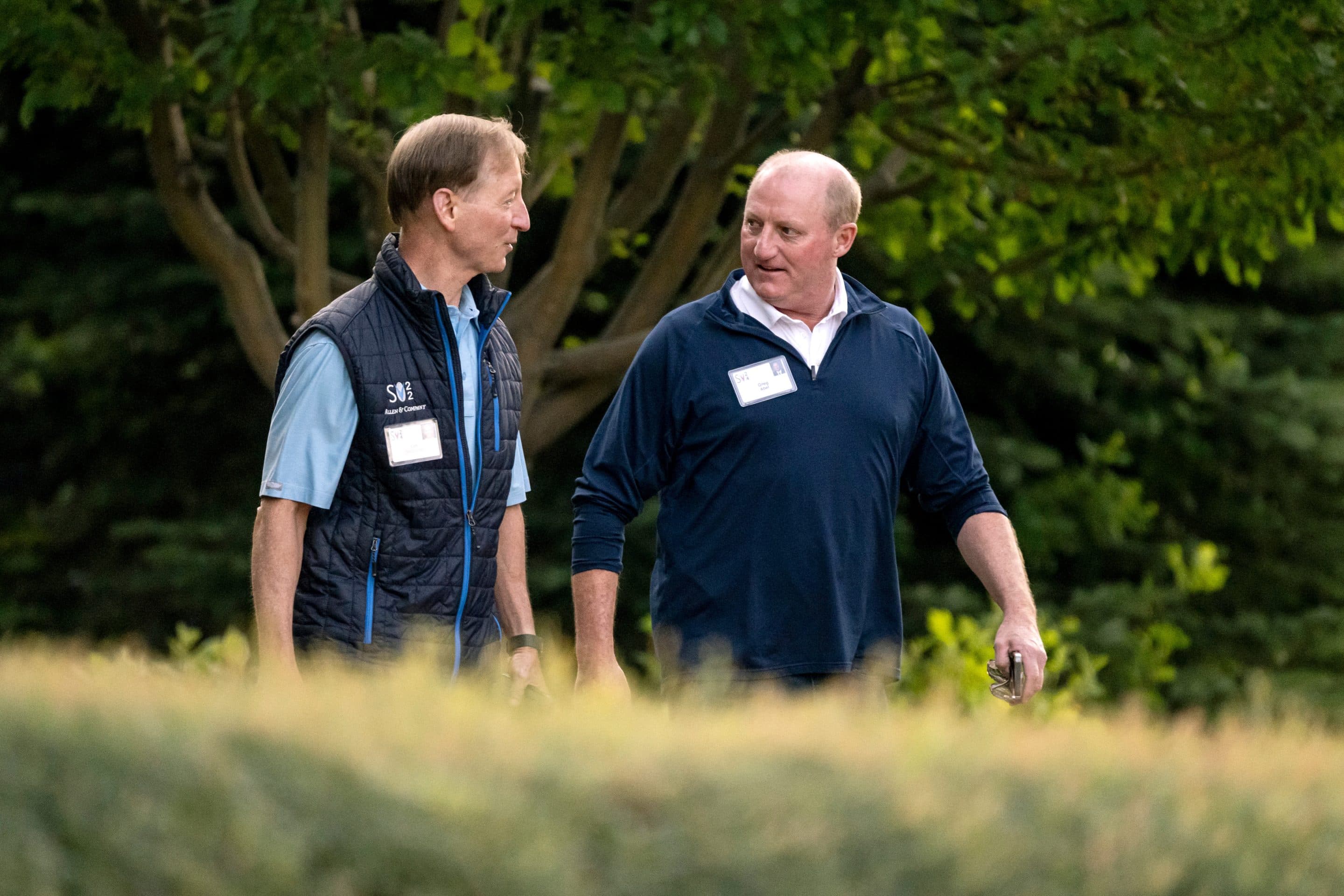
"Warren Buffett's shadow begins to recede as Greg Abel takes the reins, a transition applauded by investors but fraught with subtle tensions. This isn't just about succession; it's a recalibration of Berkshire Hathaway's core philosophy, a bet on a new era. The next decade will reveal whether Abel can replicate Buffett's magic, or if the empire begins to crumble without its legendary leader."
Key Takeaways
- •Investors largely endorse Greg Abel as the successor to Warren Buffett, indicating confidence in his operational expertise.
- •The transition marks a shift in Berkshire's strategy, potentially including a greater focus on technology and renewable energy.
- •The succession is a pivotal moment in financial history, representing the evolution of the investment landscape and the impact on the industry.
The Venetian Ballroom at the Omaha Hilton hummed with a nervous energy that transcended the usual annual shareholder meeting buzz. The air, thick with the scent of freshly brewed coffee and the anticipation of another Buffett-led spectacle, was subtly different. This year, the focus wasn't just on the Oracle; it was on the heir apparent. Greg Abel, the man many quietly hope can pick up the mantle and run with it. The crowd, a mix of seasoned investors, starry-eyed newbies, and the ever-present media throng, understood: this wasn't just a meeting; it was a prelude. The curtain was inching down on an era, and the next act was about to begin.
The Dynasty's Diminishing Dawn
For decades, Warren Buffett was Berkshire Hathaway. His folksy wisdom, his shrewd deal-making, and his almost mystical ability to sniff out value made him a Wall Street god. His annual shareholder letters, dissected and revered, were required reading. The meetings in Omaha became pilgrimages, a chance for the faithful to bask in his aura. But time, as it always does, marches relentlessly forward. Buffett, now in his early nineties, has, let us say, reached an age where the question of succession ceases to be hypothetical.
The transition is underway, and Abel, the current Vice Chairman of Non-Insurance Operations, is the heir apparent. While the official line is one of seamless continuity, the reality is far more complex. The absence of Buffett, however gradual, will undoubtedly alter the dynamics of the company. The very structure that allowed Berkshire to flourish – Buffett's personal touch, his ability to attract and retain top talent, and his almost uncanny instinct for spotting undervalued assets – is intrinsically linked to his presence. Can Abel, an accomplished executive in his own right, replicate this magic? Or will Berkshire, bereft of its charismatic leader, lose its luster?
This isn't merely a corporate succession; it is a seismic shift in the financial world. Berkshire Hathaway, with its sprawling portfolio of companies, influences everything from insurance to energy. Its decisions reverberate across the global markets. The success or failure of Abel will be felt far beyond Omaha.
The Genesis of an Empire: Buffett's Blueprint
To understand the current moment, one must revisit the genesis of Berkshire. Buffett, a disciple of Benjamin Graham, built his empire on value investing. He acquired undervalued companies, often in industries that were out of favor, and held them for the long term. This approach, coupled with his unparalleled ability to analyze financial statements and his almost Zen-like patience, transformed him into a legend. His partnership with Charlie Munger, the intellectual architect of Berkshire's success, was the other half of the secret sauce. Together, they built an investment behemoth, a testament to their vision, patience, and a deep understanding of the market psychology.
The early deals, the textile mills of New England, the acquisitions of insurance companies like GEICO, the investments in Coca-Cola and American Express – these formed the bedrock of the Berkshire we know today. Each deal was a strategic play, a chess move designed to compound value over time. Buffett and Munger, the maestros of capital allocation, were always playing the long game, focusing on intrinsic value and the power of compounding returns. Their style, marked by a contrarian approach and a disdain for short-term market fluctuations, set them apart from their peers.
The very structure of Berkshire, with its decentralized management and hands-off approach to its subsidiaries, was designed to attract and retain the best talent. Buffett trusted his managers, giving them autonomy and holding them accountable for results. This model, a testament to his understanding of human nature, allowed Berkshire to acquire and nurture a diverse portfolio of companies, each contributing to the overall success of the conglomerate.
The Abel Factor: A New Strategy in the Making?
Greg Abel is not Warren Buffett. This is neither an indictment nor a compliment. He brings a different skill set and a different perspective to the table. Abel's background in energy, particularly his leadership at Berkshire Hathaway Energy (BHE), offers a window into his investment philosophy. While Buffett was famously wary of technology, Abel has shown a willingness to embrace it. This could mean a shift in the investment strategy, potentially leading to more investments in areas like renewable energy and technology.
Abel's strength lies in operational expertise and risk management. He is a hands-on manager, known for his ability to dissect complex businesses and identify areas for improvement. While Buffett was often the visionary, Abel is the implementer. He focuses on execution, on driving efficiency, and on maximizing returns. This shift in emphasis, while not necessarily radical, could lead to a more streamlined and data-driven approach to investment decisions.
Investors, for the most part, seem to be cautiously optimistic. They appreciate Abel's operational background and his ability to navigate complex regulatory environments. The market reaction to the succession plan has been relatively muted, suggesting that investors are confident in Abel's abilities. The initial reaction is positive, though tempered by a healthy dose of reality. No one expects Abel to magically transform into another Buffett. But investors are betting that he can maintain, if not exceed, the current trajectory.
But the true test will be in the coming years. Can Abel navigate the challenges of a rapidly changing global economy? Can he identify the next generation of value investments? Can he maintain the culture of Berkshire, the very essence of its success? The answers to these questions will determine the future of the company.
The Money, The Winners, and The Losers
The winners in this transition are, undoubtedly, Berkshire's existing investors. The long-term performance of the stock speaks for itself. Those who have held Berkshire shares for decades have seen their investments grow exponentially. The very nature of a value investment is based on the underlying assets. Berkshire's core companies will most likely continue to provide high returns.
The losers, if any, are the short-term speculators who have bet against Berkshire. The company's resilience, its diversified portfolio, and its strong financial position make it a relatively safe haven in a volatile market. Those who have shorted the stock or made other speculative bets may be in for a rude awakening, especially if Abel proves to be as capable as his supporters believe. The transition will likely cause the price to decrease in the short term, giving the shorts a small victory.
The hidden agendas are complex. The transition presents an opportunity for those within Berkshire to elevate their positions. As Buffett steps back, other executives will gain more influence. This internal power struggle, while inevitable, could impact the company's decision-making process. The long-term stability and success of Berkshire will depend on how Abel navigates these internal dynamics.
The Macro View: Reshaping the Landscape
The succession at Berkshire Hathaway is not just a corporate event; it's a marker of a larger trend. The era of the iconic, individualistic CEO is fading. The dominance of a charismatic leader like Buffett, who built his empire on personal charm and investment acumen, is increasingly rare. The new generation of leaders is more likely to be collaborative, data-driven, and focused on execution.
This shift will impact the entire investment landscape. The rise of institutional investors and the increasing sophistication of financial markets are changing the dynamics of capital allocation. Value investing, while still relevant, is being challenged by new strategies, such as growth investing and private equity. The focus is shifting from simply identifying undervalued assets to building and operating businesses.
This moment echoes the tech revolution. Consider the transition at Apple in the late 1990s. The return of Steve Jobs in '97 was a turning point. However, Jobs, too, eventually needed to plan for succession. The parallels are striking: a company built on a unique vision, the looming departure of a legendary leader, and the need for a new direction. The financial world is watching Abel in the same way the world watched Tim Cook. Can he do it?
Moreover, the focus on ESG (Environmental, Social, and Governance) factors will play a more prominent role in investment decisions. Abel's interest in renewable energy, for example, suggests that Berkshire may focus on sustainable investments and socially responsible practices.
The Verdict: Crystal Ball Gazing
One Year: Berkshire will continue to perform well, driven by its underlying business portfolio and Abel's steady hand. Investors will watch Abel's moves closely, scrutinizing his investment choices and his approach to capital allocation. There will be initial bumps as the market adjusts to the new leadership, and some internal restructuring.
Five Years: Berkshire will solidify its position as a global powerhouse, though it will likely evolve from its original roots. Abel's strategy will become more evident. Expect strategic partnerships, and new acquisitions that reflect his strategic priorities. The culture of Berkshire will evolve, with a greater emphasis on collaboration and technology. Berkshire may not be the same as it was under Buffett, but it will still be a dominant force in the global economy.
Ten Years: Berkshire will be unrecognizable in some ways, and yet, very much the same in others. Its core values – long-term thinking, value investing, and a focus on intrinsic value – will remain. But the company's portfolio will have changed, reflecting the evolving needs of the global economy. Abel's legacy will be defined by his ability to adapt and innovate, while preserving the core tenets of Berkshire's success. He will have cemented his place in history, if he succeeds.
The transition at Berkshire Hathaway is a pivotal moment in financial history. It represents not only the passing of the torch from one titan to another but also the evolution of the investment landscape. Greg Abel, the man now at the helm, faces the immense task of guiding Berkshire into a new era. His success or failure will shape not only the future of the company but also the course of the entire industry. The markets and all those involved will be watching.
Sources & further reading
Related analysis
- Amazon's Ascent: Navigating the Tides of Triumph – A Veteran's Guide to Playing the Stock
- Silicon Valley's Red Flag: Laura Loomer's Nvidia Assault – Is Jensen Huang's China Connection the Next Tech Scandal?
- Microsoft's Masterstroke: Why Wall Street Is Blind to the True Value of MSFT (And Why That's Their Advantage)
- Data Center Gold Rush: Why Infrastructure Construction Stocks Are the Only Game in Town
- Nomura's Walmart Exit: A Canary in the Coal Mine for Retail's Future?
- Jabil's AI Infrastructure Gamble: A High-Stakes Bet on the Future or a Mirage of Growth?