
Walmart's Triumphant Ascent: A Market Victory Forged in Retail's Crucible
"Today, Walmart's stock surged, a clear signal of market confidence. This wasn't mere chance; it's the culmination of a decade of strategic reinvention and ruthless efficiency. Behind the numbers lies a narrative of adaptation, calculated risk, and a relentless pursuit of dominance in an industry forever changed."
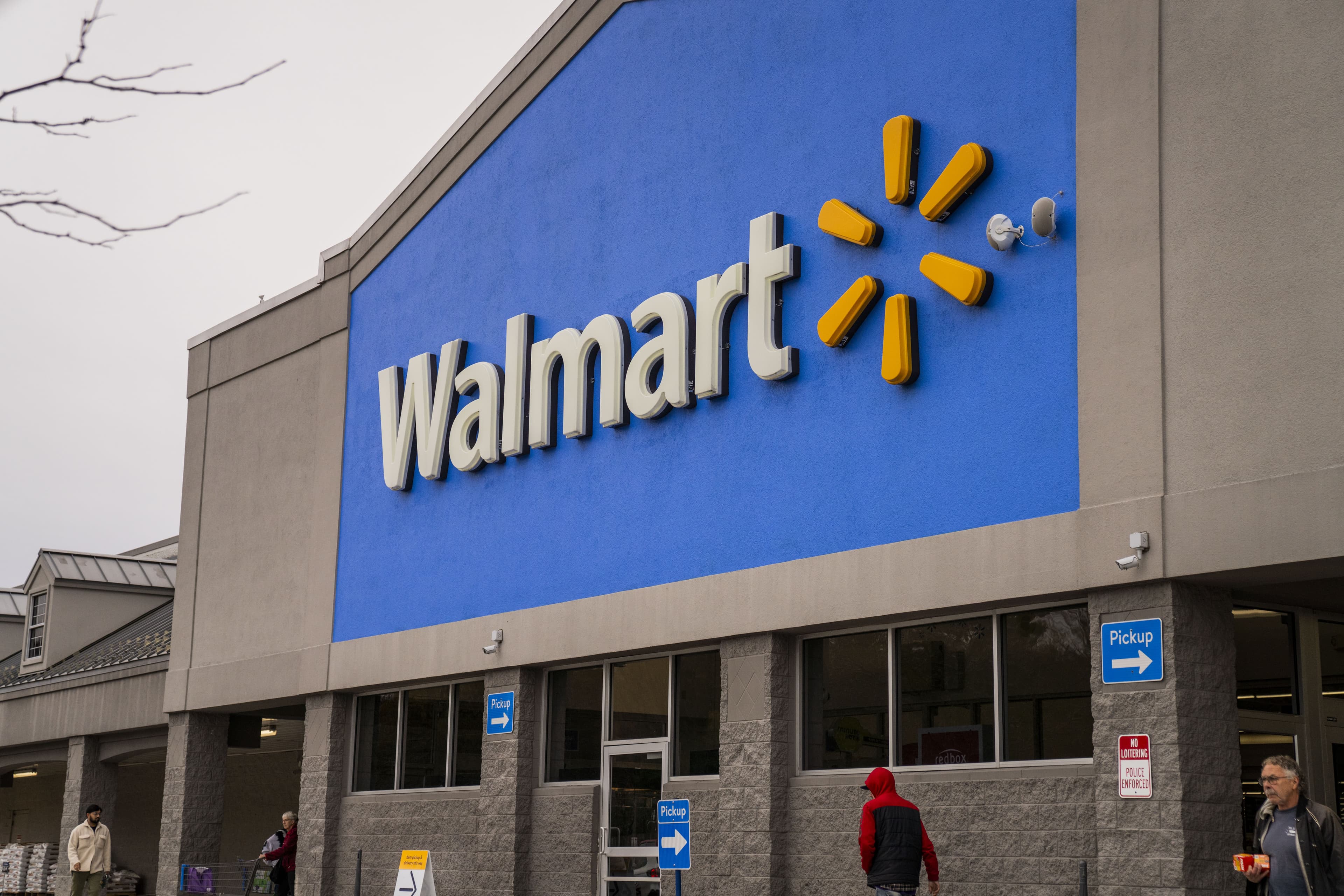
Key Takeaways
- •Walmart's stock surge reflects successful e-commerce and omnichannel strategies.
- •Investment in supply chain efficiency and technology are key to Walmart's success.
- •The company's expansion into healthcare positions it for future dominance.
The Lede: The Dawn of a New Retail Empire
The fluorescent lights of the trading floor hummed, a low, electric thrum that mirrored the nervous energy coursing through the veins of Wall Street. The screens flickered, spitting out a relentless stream of data, a digital ballet of gains and losses. But today, one name blazed a trail of green, a beacon of strength in a volatile market: Walmart. The stock had topped the market, a feat that, on the surface, seemed improbable. After all, wasn’t Walmart the dinosaur of retail, the lumbering giant outmaneuvered by nimble tech startups and the siren song of e-commerce? No. The market had spoken, and it had declared Walmart the victor, at least for this round. This wasn’t just a win; it was a statement. A declaration that the old guard could, and would, adapt, evolve, and ultimately, conquer.
The Context: From Blue-Collar Bargains to a Tech-Infused Titan
To understand Walmart's present triumph, one must rewind the tape. The story of Walmart is a saga, an American epic of ambition, grit, and the relentless pursuit of the consumer dollar. Founded by Sam Walton, a man whose ambition was as vast as the Oklahoma sky, Walmart initially built its empire on a bedrock of “everyday low prices” and a relentless focus on supply chain efficiency. This was the era of the strip mall, of vast parking lots and crowded aisles, of a retail experience as familiar as a Sunday drive. But the landscape was shifting. The internet, the digital revolution, loomed on the horizon, promising to upend everything Walmart held dear. Amazon, a digital upstart, was nibbling at Walmart’s heels, a modern-day David challenging the Goliath of Bentonville.
For years, Walmart seemed to stumble. It hesitated, misjudged, and underestimated the power of e-commerce. Its online presence was clunky, its infrastructure outdated, and its strategies reactive rather than proactive. It was a period of introspection and agonizing self-assessment. There were stumbles, setbacks, and a collective holding of breath as the world watched to see if the retail giant could evolve. The old guard had been challenged and its future was anything but certain.
The turning point, arguably, was the appointment of Doug McMillon as CEO in 2014. McMillon, a Walmart lifer, understood the threat posed by Amazon and the need for a radical shift. This moment echoes Jobs in '97, stepping back in to save Apple. It was more than just a change in leadership; it was a fundamental change in philosophy. McMillon initiated a sweeping transformation, a multi-pronged offensive that touched every aspect of the business. He poured billions into e-commerce, transforming Walmart.com from a digital afterthought into a formidable competitor. He invested heavily in technology, creating a cutting-edge supply chain that could rival Amazon's. He embraced omnichannel, blurring the lines between the physical and digital worlds, creating a shopping experience that was seamless, convenient, and personalized.
The Core Analysis: The Anatomy of a Market Victory
Today's stock surge reflects the culmination of these strategic decisions. Several factors coalesced to propel Walmart to the top. Firstly, Walmart's e-commerce business has finally hit its stride. Years of investment in infrastructure, technology, and talent have paid off. The company's online sales are booming, fueled by a combination of convenience, competitive pricing, and a vast product selection. Walmart's online presence is no longer an afterthought; it is a core engine of growth. The data speaks for itself. The market has responded to Walmart's ability to compete with Amazon. It's a key reason investors have changed their tune.
Secondly, Walmart’s omnichannel strategy is working. The company has seamlessly integrated its online and offline operations, allowing customers to shop however they want. They can order online and pick up in-store, or they can browse in-store and have their purchases delivered to their homes. This flexibility is a significant competitive advantage, offering a level of convenience that rivals cannot match. They’ve successfully leveraged their vast network of physical stores, using them as fulfillment centers and distribution hubs, bringing the convenience of online shopping to the reality of physical locations.
Thirdly, Walmart's relentless focus on efficiency continues to pay dividends. The company has mastered the art of supply chain management, squeezing every ounce of value out of its operations. This efficiency translates into lower prices for consumers, giving Walmart a significant advantage in the competitive retail market. A deep dive into the numbers reveals a company that has optimized its operations, driving down costs and improving profitability. Walmart's gross margins have also been steadily improving, a testament to its operational prowess.
Fourthly, Walmart's moves to enter and dominate healthcare will pay long term dividends. Walmart’s expansion into healthcare is a masterstroke. The company is opening clinics, offering affordable healthcare services, and partnering with major healthcare providers. This move not only taps into a vast and growing market, but it also strengthens Walmart's relationship with its customers, turning them into loyal followers. The company is leveraging its size and scale to disrupt the healthcare industry, a move that will further cement its position as a retail powerhouse. This pivot into healthcare is a long-term play, a calculated bet on the future of consumer behavior. It’s a brilliant way to leverage its massive physical presence, and the data it has on its customers.
Finally, Walmart's leadership deserves considerable credit. Doug McMillon and his team have executed a brilliant strategic pivot, transforming a legacy retailer into a modern-day powerhouse. They have made bold bets, taken calculated risks, and navigated the choppy waters of the retail industry with remarkable skill. The market is rewarding their vision, their leadership, and their unwavering commitment to excellence.
The “Macro” View: Redrawing the Retail Landscape
Walmart's resurgence has profound implications for the entire retail industry. This is not just about one company's success; it's about the evolution of retail itself. The industry is being reshaped, redefined, and reimagined. Several key trends are emerging:
Omnichannel is the new normal. The lines between online and offline are blurring. Retailers must offer a seamless shopping experience, allowing customers to shop however they want, whenever they want. Walmart has fully embraced this, and others must follow suit or risk extinction. The customer's expectation is convenience, flexibility, and a personalized experience. Walmart's success proves that meeting this expectation is possible, and profitable.
Supply chain efficiency is paramount. In a world of razor-thin margins and intense competition, the ability to manage the supply chain is critical. Walmart's mastery of supply chain management has given it a significant advantage, and other retailers must invest in technology, automation, and logistics to compete. The winners will be those who can deliver products to customers quickly, efficiently, and cost-effectively.
Technology is the key. Technology is no longer an optional add-on; it is the lifeblood of the modern retailer. From e-commerce platforms to supply chain management systems, from data analytics to artificial intelligence, technology is transforming every aspect of the retail industry. Walmart's investment in technology has been crucial to its success, and other retailers must follow suit or face obsolescence.
The rise of healthcare in retail. Walmart's foray into healthcare is a game-changer. Other retailers will likely follow suit, recognizing the vast potential of the healthcare market. The convergence of retail and healthcare will create new opportunities for growth and innovation, further reshaping the industry. This is where Walmart has positioned itself for long-term dominance, and will be difficult for competitors to catch up.
Consolidation is inevitable. As the retail landscape evolves, consolidation is likely. The strong will get stronger, and the weak will struggle to survive. We are likely to see mergers, acquisitions, and the shuttering of underperforming stores. Walmart's strength will make it a natural acquirer, further solidifying its position as a retail behemoth.
The Verdict: A Future Forged in Resilience
The market's reaction today is not an anomaly; it is a validation. Walmart is no longer just a retailer; it is a technology company, a healthcare provider, and a logistics powerhouse. It has successfully navigated the turbulent waters of the digital revolution and emerged stronger than ever. Walmart's future is bright. In the next year, we can expect continued growth in its e-commerce business, further expansion in healthcare, and continued improvements in its operational efficiency. The company will likely make strategic acquisitions, expanding its reach and further consolidating its market position. The next five years will see Walmart solidify its dominance. It will cement its position as the undisputed leader in retail, a titan that continues to innovate, adapt, and conquer. Walmart will continue to invest in technology, data analytics, and artificial intelligence, using these tools to optimize its operations, personalize the customer experience, and gain a competitive edge. It will likely expand its international presence, further diversifying its revenue streams. In the next ten years, Walmart will be virtually unstoppable. It will continue to evolve, adapting to the changing needs of its customers and the evolving dynamics of the retail industry. It will be a force to be reckoned with, a global powerhouse that shapes the way we shop, live, and interact with the world around us.
The story of Walmart is a lesson in resilience, adaptation, and the unwavering pursuit of excellence. It's a reminder that even the biggest and most established companies can reinvent themselves, that the old guard can still teach the new guard a few tricks. The market has spoken. Walmart has won. And the future, it seems, belongs to the retail giant from Bentonville.