
The Ghosts of Epstein Haunt Silicon Valley: A Shadow Play of Power, Privacy, and the Price of Influence
"The release of new Epstein photos, featuring a constellation of powerful figures, is not just a news story; it's a seismic event. This isn't about mere association; it's a stark revelation of the blurred lines between philanthropy, power, and predatory behavior. The ripple effects will be felt across industries, reshaping reputations and forcing a reckoning with the ethical compromises that fueled the rise of the modern elite."
Key Takeaways
- •The Epstein photos expose the systemic rot of corruption and impunity within the elite.
- •Bill Gates' philanthropic image faces significant damage, raising questions about ethical compromises.
- •The scandal will trigger an earthquake across multiple industries, demanding accountability and reform.
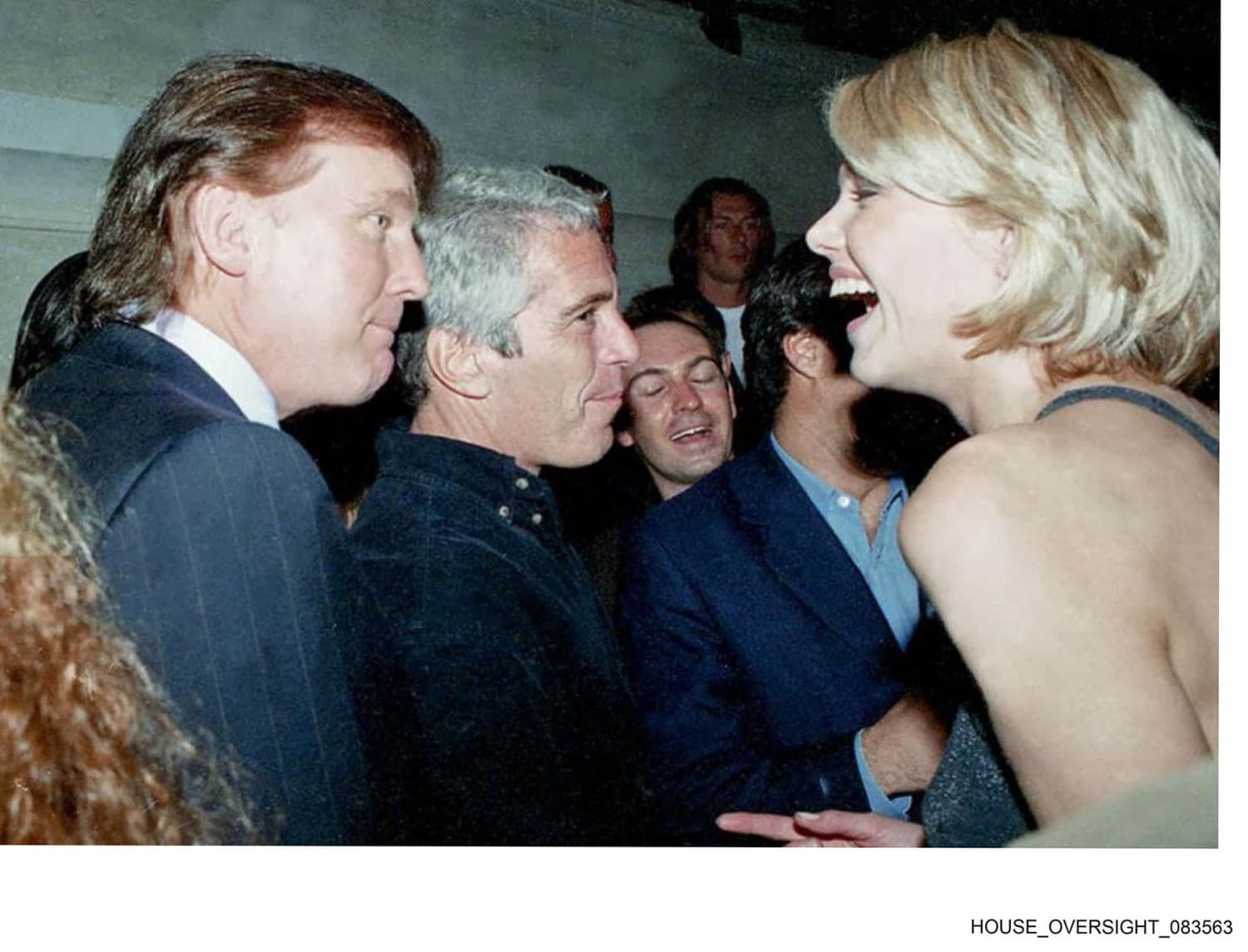
The flashbulbs, long silent, are back. Not in the manicured halls of Davos, nor the gilded rooms of the Hamptons, but in the harsh, unforgiving light of public scrutiny. The recent unveiling of new photos connected to the Jeffrey Epstein case throws a long, ominous shadow across the global landscape of power. These images, seemingly innocuous at first glance, are now toxic, searing brands and reputations with an almost radioactive intensity. The cast of characters reads like a twisted Who’s Who: Trump, Clinton, Gates, Bannon, Summers, Allen… The sheer breadth of the exposure is breathtaking. We’re not talking about fleeting encounters. These are moments captured, preserved, and now, finally, exposed.
The Descent into Darkness: A History Forged in Greed and Silence
To understand the present, we must first excavate the past. Epstein, a financier with a penchant for underage girls and a network that spanned the globe, was a master puppeteer. His reach was vast, his connections deep, and his ability to silence whispers legendary. His modus operandi was a potent cocktail of money, blackmail, and the unspoken promise of access. This wasn't just about sexual predation; it was about control. It was about building a web of dependency, a system where favors were exchanged for loyalty, and discretion was the ultimate currency.
Epstein's ability to operate with impunity was, in part, due to the complicity, or at least the willful ignorance, of those around him. The elite, seduced by his charm and the promise of influence, turned a blind eye to the whispers. They rationalized his behavior, convincing themselves that his eccentricities were merely the price of admission to a world of unimaginable power. This echoes the dark undercurrents of the Gilded Age, when fortunes were built on the backs of exploited workers, and the wealthy reveled in their opulence, shielded by their immense wealth and influence. The difference? This time, the cameras are everywhere, and the internet remembers everything.
Consider the timing. These photos are emerging at a moment of profound societal unease. Public trust in institutions is at an all-time low. The chasm between the haves and have-nots has never been wider. The pandemic, a great revealer, exposed the fragility of our systems and the hypocrisy of those at the top. Against this backdrop, the Epstein revelations are more than just a scandal; they are a catalyst. They are the match that lights the fuse of a long-simmering resentment, a simmering anger at the perceived arrogance and impunity of the wealthy and powerful.
The Gates Conundrum: Philanthropy, Privacy, and the Tightrope Walk
Bill Gates, a name synonymous with technological innovation and global philanthropy, finds himself caught in this vortex. The photos, even if they show seemingly innocuous interactions, are a blow to his carefully constructed public image. Gates, through his foundation, has become a global force for good, investing billions in tackling disease, poverty, and climate change. But the Epstein connection throws a wrench into this narrative. It forces us to question: To what extent was Gates aware of Epstein's true nature? Did he knowingly associate with a predator, or was he, too, a victim of Epstein's manipulative charm?
The strategic implications are immense. Gates' philanthropic endeavors, once universally lauded, are now subject to increased scrutiny. Donors, wary of reputational risk, may become more cautious. Partners, particularly in the developing world, could reassess their relationships. The very fabric of the Gates Foundation, built on trust and goodwill, is potentially fraying at the edges. This is a classic example of collateral damage. The association, even if indirect, is enough to tarnish the brand.
Beyond the immediate fallout, this situation highlights the inherent tension between privacy and public accountability. In a world where every interaction is potentially captured and weaponized, individuals, especially those in positions of power, must navigate a treacherous landscape. The line between personal relationships and professional obligations has blurred. The burden of proof, once the responsibility of the accuser, is now shifting to the accused. This is the new reality. One misstep, one perceived association, can trigger a PR firestorm that can take years, even decades, to extinguish.
This situation also lays bare the vulnerabilities of philanthropy itself. Charitable giving has become a cornerstone of the modern elite's image management strategy. It's a way to burnish reputations, build influence, and exert control. But as the Epstein case shows, philanthropy is not immune to the corrosive effects of greed, power, and moral compromise. Foundations, no matter how well-intentioned, are still run by humans. And humans, as history repeatedly demonstrates, are fallible.
The Core Analysis: Power Dynamics, Hidden Agendas, and the Unseen Hand
Let's dissect the core issues. This is not about individual failings; it's about the systemic rot that allowed Epstein to flourish. The photos are a symptom, not the disease. The disease is the culture of impunity that pervades the upper echelons of society. It's the unspoken agreement that some rules don't apply, that wealth and power grant immunity from consequences. This dynamic fuels a cycle of exploitation and corruption, where the vulnerable are preyed upon, and the powerful are protected.
The financial implications are also worth examining. Epstein's network was built on a foundation of money. He leveraged his wealth to gain access, build connections, and silence his critics. He was a master of leveraging influence, using his financial resources to build a web of dependencies. The individuals depicted in the photos may not have been direct beneficiaries of Epstein's largesse, but they benefited from the access, prestige, and influence that he cultivated. This is a classic example of indirect corruption, where the benefits of a corrupt system trickle down to those who are willing to play the game.
We must also consider the potential for strategic plays. This could be a calculated move by competing factions within the global elite. Think of it as a boardroom coup, where the aim is to discredit rivals and seize control of power. The release of these photos could be a strategic attack, designed to weaken opponents and reshape the balance of power. The timing is crucial. The perpetrators are almost certainly aware of the impending shifts in political and social dynamics.
Furthermore, this situation exposes the hypocrisy of the media. For years, the press largely ignored the Epstein story, or buried it on the inside pages. Why? Because the networks of power and influence were deeply intertwined. Now, with Epstein gone and the stakes higher than ever, the media has a different incentive. It has the opportunity to regain public trust, to expose corruption, and to profit from the scandal. But even here, there is a risk of selective reporting. Will the focus remain on the high-profile individuals, or will the investigation delve into the deeper, more complex networks of corruption?
The Macro View: The Industry Earthquake and the Shifting Sands
The implications of this scandal extend far beyond the individuals depicted in the photos. It's an earthquake that will shake the foundations of multiple industries. First, the entertainment industry. The Epstein network, with its ties to Hollywood, will face increased scrutiny. The culture of casting couches and sexual exploitation, long a dirty secret, is now out in the open. Expect more revelations, more lawsuits, and a fundamental shift in how the industry operates. Then there is the tech industry. Silicon Valley, with its culture of excess and its close ties to the elite, will be forced to confront its own demons. The social media platforms, which facilitated Epstein's network, will face increased pressure to address their complicity. The philanthropic sector will also undergo major reforms, with new regulations and increased transparency.
The impact on the political landscape will be equally profound. The Epstein case will further erode public trust in government and institutions. It will fuel populist sentiment and accelerate the trend toward political polarization. The individuals depicted in the photos, particularly those with political ambitions, will face enormous challenges. Their reputations will be forever tainted. Their ability to influence the political process will be severely limited. This is a moment of profound instability, a turning point that will reshape the political landscape for years to come.
The long-term impact on the media will also be significant. The Epstein story has highlighted the importance of independent journalism and the role of investigative reporting. Expect a resurgence in investigative journalism, with journalists focusing on exposing corruption, holding the powerful accountable, and uncovering hidden truths. This is a critical moment for the media. The industry has the opportunity to redeem itself, to rebuild trust with the public, and to play a vital role in the preservation of democracy.
The Verdict: The Reckoning Has Begun, and the Future is Unwritten
The Epstein scandal is not just a story; it's a harbinger. It's a warning shot across the bow of the global elite. The release of these photos is not the end; it's the beginning. We are witnessing the unraveling of a carefully constructed system of power, a system built on secrecy, corruption, and the exploitation of the vulnerable. The individuals depicted in the photos will face intense scrutiny, but the real target is the system itself.
In the short term (1 year), expect a period of chaos and uncertainty. The individuals involved will attempt to control the narrative, spinning stories and hiring PR firms to mitigate the damage. But the truth will eventually come out. More revelations will surface. More lawsuits will be filed. The legal battles will be long and arduous, and the financial consequences will be significant. The social and political fallout will be immense. Expect increased scrutiny of philanthropic organizations and greater demands for transparency.
In the medium term (5 years), we will see a fundamental shift in the culture of power. The elite will be forced to adapt. They will be more cautious, more secretive, and more wary of public exposure. The media will play a more aggressive role, holding the powerful accountable and exposing corruption. There will be increased pressure for greater regulation and transparency in various industries. The public will demand more accountability and transparency from government, corporations, and philanthropic organizations. This will be the era of rebuilding and reform.
In the long term (10 years), the world will be a different place. The culture of impunity will be largely dismantled. The individuals involved will be remembered as cautionary tales. The media will be a vital pillar of democracy, holding the powerful accountable and exposing corruption. The public will be more informed, more engaged, and more skeptical of authority. The system of power will be forced to fundamentally change.
The legacy of Jeffrey Epstein will be one of profound moral corruption and lasting change. The release of these photos is not just the end of an era; it's the beginning of a new one. The reckoning has begun, and the future is unwritten.