
Koch's Comeback: Sam Adams Reborn - A High-Stakes Brew for Boston Beer's Future
"Jim Koch, the man who built Boston Beer, is back in the CEO chair. This isn't nostalgia; it's a calculated gamble to reignite growth in a brutally competitive market. The move signals a deep-seated belief that the company’s current trajectory is unsustainable, and a willingness to make bold, potentially disruptive, moves to reclaim its former glory. Expect fireworks, shakeups, and a re-evaluation of everything you thought you knew about the craft beer industry."
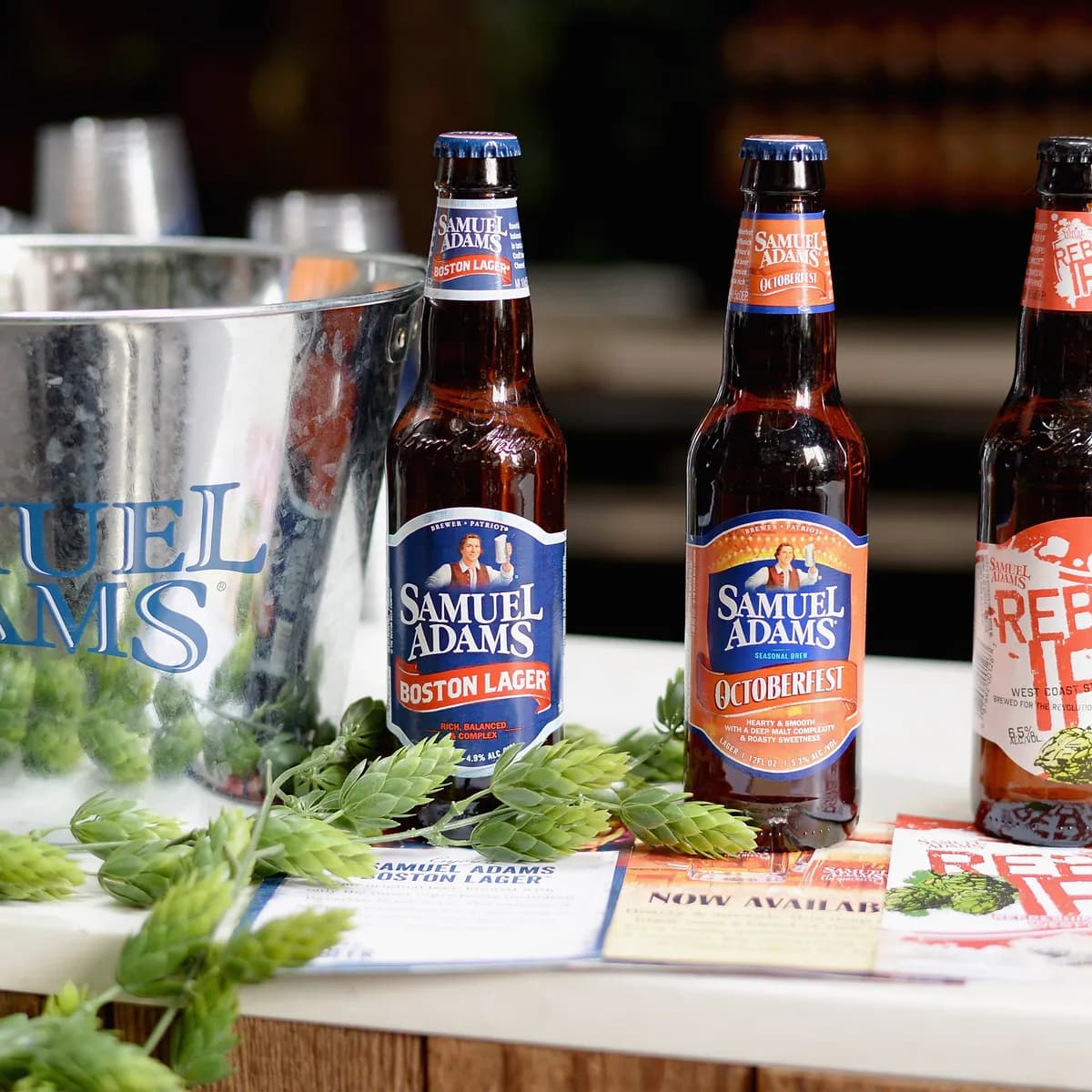
Key Takeaways
- •Koch's return signals a strategic shift to revitalize beer sales and refocus on core brands.
- •The move echoes the return of Steve Jobs, focusing on a deep understanding of product and brand identity.
- •The industry landscape will be impacted, as other brewing giants are forced to re-evaluate their strategies.
The Lede: The Return of the Brewmaster
The air in the Boston Beer boardroom crackled with a tension that even the finest, most aggressively hopped IPA couldn't quite mask. Outside, the familiar New England drizzle mirrored the internal storm brewing. It wasn't a hostile takeover, nor a sudden bankruptcy. It was far more fascinating: the prodigal son, Jim Koch, returning to the helm of the company he founded, the iconic Sam Adams brewer, after a self-imposed exile. The official announcement was terse, the press release clinical, but the undercurrents whispered of desperation, of ambition, and of a market landscape that had shifted seismically beneath their feet.
This wasn't just a corporate reshuffle; this was a statement. A declaration of war on complacency. A bet the house on the enduring power of a name, a vision, and a stubborn refusal to fade into the background. Koch, a man who built an empire on a single, meticulously crafted beer, was back to reclaim it. The question, however, remained: could he, at this late stage of the game, rekindle the flame?
The Context: From Revolution to Reality
To understand the magnitude of Koch's return, you must first understand the story of Boston Beer itself. In the 1980s, when mass-produced, bland lagers dominated the American beer scene, Koch, armed with his family's yeast strain, a Harvard MBA, and a burning passion, saw an opportunity. He wasn't just selling beer; he was selling a revolution. Samuel Adams Boston Lager became the flag bearer of the craft beer movement, a symbol of quality, flavor, and a rejection of corporate mediocrity. The company's meteoric rise was a case study in branding, distribution, and shrewd market positioning. They innovated, they expanded, they acquired, they dominated.
Then came the reckoning. The craft beer industry, once a David versus Goliath narrative, exploded. Suddenly, there were thousands of Davids, each vying for a piece of the pie. The market became saturated, the competition fierce. Boston Beer, once the undisputed king, found itself navigating a treacherous sea. Younger, trendier brands emerged, appealing to the fickle tastes of millennial and Gen Z consumers. The relentless pursuit of growth, coupled with the inevitable pressures of a public company, led to decisions that, in hindsight, seemed less visionary and more…tactical. There was hard seltzer, hard tea, and a slew of other ventures. The focus seemed to broaden, and the core – the beer – perhaps became diluted.
The company faced challenges on several fronts: declining beer sales, increased competition in the hard seltzer market, and the constant need to innovate in a sector that was already overflowing with options. The former CEO, who had steered the ship for a period, was now being blamed. The market had signaled its displeasure through consistently declining stock prices and a general lack of confidence. Koch's return wasn't just a change of leadership; it was an admission that the existing strategy wasn’t working.
The Core Analysis: The King's Gambit
Koch’s decision to reclaim his throne is a masterclass in calculated risk. It's a move that mirrors the return of Steve Jobs to Apple in 1997. Both figures, founders, had been outside of the inner circle for a time, letting others take the reins. Both companies had lost their way to varying degrees and were struggling, and both had the same problem: a need for re-evaluation and reinvention. Like Jobs, Koch possesses a deep understanding of the product, the market, and the brand identity. He understands what made Boston Beer successful in the first place, and where it lost its way. He knows the secret sauce.
The immediate strategic imperative is clear: revitalize beer sales. This will mean a renewed focus on core brands like Samuel Adams Boston Lager, a push for innovative new beer offerings that resonate with contemporary consumers, and a re-evaluation of the company's distribution strategy. Expect to see significant changes in marketing and branding. The focus will likely shift from the broader portfolio of beverages back to the brewery’s core competence. Hard seltzer and other diversifications that were intended to fuel growth may be scaled back or re-positioned.
The financial implications are substantial. The market will react swiftly. The initial response will be cautious optimism. Institutional investors, who likely questioned the previous strategies, will be looking for a clear turnaround plan. Koch will need to demonstrate, quickly, that he can reverse the company's slide. He is under the microscope. His decisions will be judged ruthlessly, and the financial performance of the company will be a clear indicator of his success or failure.
The key players to watch include:
- The Brewers: The brewing team will be central to this shift. They will need to deliver on Koch’s vision and produce beers that capture the hearts and palates of a new generation. The quality of the beer is paramount, and the brewers will be under pressure to innovate and exceed expectations.
- The Marketing Department: This team will be crucial. They must craft a new narrative that reignites consumer interest in the brand. They will have to overcome the fatigue and create a story that will draw consumers back into the fold.
- The Distribution Network: The company’s distribution agreements and reach will be key factors in the turnaround. Reaching the right retailers, securing shelf space, and navigating the increasingly competitive landscape will be a test of Koch’s skills and relationships.
The losers in this equation are likely those who were responsible for the decisions that led to the company's struggles. There will be restructuring, re-evaluations, and likely, departures. The stakes are high for Koch, but they are equally high for the industry as a whole. This has all the makings of a classic corporate drama.
The "Macro" View: Ripples Across the Industry
Koch's return sends a powerful message across the craft beer industry. It signals that experience and a deep understanding of the craft remain vital. Established brands are not to be underestimated. His move challenges the prevailing narrative of chasing trends and encourages a return to fundamentals. It will force other brewing giants to re-evaluate their own strategies. If Koch succeeds, it could trigger a wave of similar moves, with founders stepping back into the fray to reclaim control of their brands. Failure, however, will confirm the industry's suspicions that the tides have shifted permanently.
This also has ripple effects on the market. Smaller, independent breweries will feel the pressure, knowing that they will face a renewed fight from an experienced player with deep pockets. The consolidation trend could accelerate, with larger companies acquiring smaller ones to stay ahead in the fight. Distribution networks will become even more critical, and the battle for shelf space will intensify. It is going to be a tougher market, and the survivors will be those with superior product, a strong brand identity, and an understanding of the ever-changing consumer tastes. This move could even spark a re-evaluation of company strategies on a wider scale across the food and beverage industry.
The impact of this will not be confined to beer. The story is a cautionary tale for all consumer brands, a reminder that maintaining relevancy requires a willingness to adapt, to innovate, and, sometimes, to return to your roots. It's a reminder of the power of the original vision.
The Verdict: Crystal Ball Gazing
One-Year Outlook: Expect a period of intense activity. Koch will streamline operations, cut costs, and refocus the company's efforts on its core brands. There will be aggressive marketing campaigns aimed at recapturing lost market share. Expect some initial gains, driven by the novelty of Koch's return and the renewed focus on quality. The stock price may have a healthy initial bump. However, the true test will be the sustained consumer response to the reformulated core beers and to new offerings. There may be some executive shakeups, and a shifting of resources. The company will be working diligently to prove it has not only learned, but grown.
Five-Year Outlook: Success depends on Koch's ability to evolve the brand while staying true to its heritage. Boston Beer must embrace innovation while also protecting its core. The company has the resources and the brand recognition to succeed. The key will be strategic execution, and a willingness to be bold. Expect continued consolidation in the industry. The company must not only regain market share but also carve out a profitable niche. The brand could become a case study for legacy brands navigating the turbulent waters of the new era. Success will be measured by both revenue growth and brand loyalty.
Ten-Year Outlook: If Koch’s vision succeeds, Boston Beer will be a force to be reckoned with. The company could be a major player, a testament to the enduring power of a founder’s vision. They will have had to navigate several economic cycles and withstand the changes of consumer tastes. They would have also shown they could retain and acquire talented executives who can execute his strategy. The legacy of Samuel Adams would be secure, and the brand would be viewed as a cornerstone of the American beer landscape. However, the path will not be easy. The industry is dynamic, and the competition is fierce. The ultimate success will depend on Koch's ability to adapt, to inspire, and to make the right decisions at the right time. There is a lot riding on this. It will be fascinating to watch unfold. The next chapter has begun.