
Google's AI Ascent: Is the Tech Titan Redefining Dominance, Or Headed for a Fall?
"Google's stock price reflects the roaring optimism surrounding its AI prowess, but the reality is far more complex. While competitors scramble, Google's strategic moves – and missteps – in the AI arena demand a deeper look. This investigation unveils the high-stakes game Google is playing, the potential for triumph, and the looming threats that could shatter its AI supremacy."
Key Takeaways
- •Google's dominance in AI is backed by massive investments in research, development, and infrastructure, particularly in cloud computing.
- •The company's strategic integration of AI into products and services creates a powerful ecosystem and makes its technology more ubiquitous.
- •Google faces intense competition from Microsoft, Amazon, and other tech giants, and must navigate ethical challenges and regulatory scrutiny.
The Lede: Silicon Valley's New Gold Rush
The air crackles with a familiar electricity. Not the buzz of a product launch, or the quiet hum of innovation, but something far more primal: the frantic gold rush of a new era. The prize? Artificial intelligence. And the claim staked most boldly, at least according to the soaring stock charts, belongs to Google. Step into the hallowed halls of Mountain View, and you'll find a company reborn, its swagger amplified by algorithms and augmented intelligence. The once-unquestioned leader of the internet is now positioning itself as the kingmaker of the AI revolution, a role it seems determined to own. But is this just another hype cycle, or is Google truly poised to reshape the future?
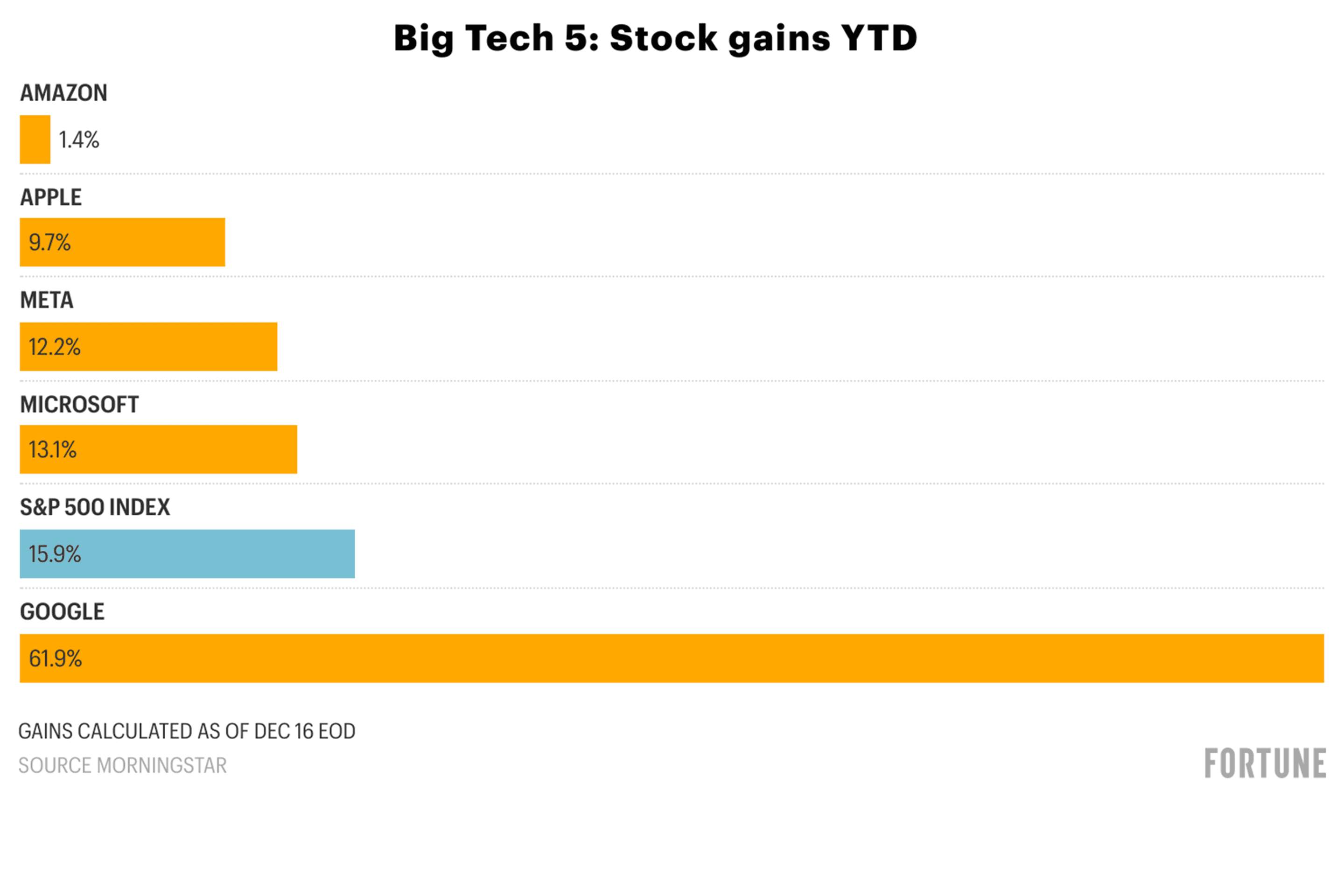
The numbers don't lie. Google's stock has surged, propelled by an investor frenzy that’s as much about fear of missing out as it is about tangible results. Wall Street, always eager to anoint a new champion, has placed its bets. But beneath the glittering surface, a far more nuanced story unfolds. It's a tale of brilliant minds, daring bets, strategic pivots, and the inherent risks that come with leading a technological frontier. This is a story about power, ambition, and the future of everything. And it’s only just beginning.
The Context: From Search to Sentience – Google's AI Odyssey
To understand Google's current position, we must rewind the tape. Google's journey into AI wasn't a sudden leap; it was a carefully plotted expedition, beginning long before the current generative AI boom. Their acquisition of DeepMind in 2014 was a pivotal moment. The move, initially met with some skepticism, was a clear statement of intent: Google was not just a search engine; it was a company that wanted to understand, and control, intelligence itself. This early investment in fundamental AI research has provided the company with a unique advantage.
Remember when Google was synonymous with 'search'? The core business, search, became a relentless data-gathering machine, feeding the algorithms that would come to define the modern world. This data, coupled with a vast computational infrastructure, formed the foundation upon which Google's AI ambitions were built. The company saw the potential of AI far earlier than many, investing heavily in talent and infrastructure, creating an internal ecosystem where cutting-edge research could flourish. Google's bets on deep learning, neural networks, and natural language processing began yielding returns, powering advancements in everything from image recognition to voice assistance.
The early years were characterized by a focus on applied AI: making existing products better, faster, more intuitive. The integration of AI into Google Search, Gmail, and Google Photos was subtle, almost invisible, but profoundly impactful. Then came the audacious projects, like AlphaGo, the AI that defeated the world's best Go player. These landmark achievements sent a clear message: Google was not just playing the game; it was setting the rules.
However, the path hasn't always been smooth. Internal tensions, ethical concerns, and the ever-present threat of regulatory scrutiny have consistently challenged Google. The departure of key figures, debates about AI safety, and the controversies surrounding its AI products have highlighted the complexities of this technology. Google's AI journey is a tapestry of triumphs and trials, all culminating in the present moment.
The Core Analysis: Code, Capital, and the Contest for AI Supremacy
The raw numbers are compelling. Google's AI investments are staggering, dwarfing those of most competitors. The company has assembled a talent pool of unparalleled size, attracting the brightest minds in the field. But the real story is in the strategy, the ecosystem it's creating, and the calculated risks it's willing to take. Let's start with the money. Billions are poured into research, development, and infrastructure. Google's dominance in cloud computing, through Google Cloud Platform (GCP), is a critical factor. GCP provides the computational horsepower that fuels its AI efforts. This cloud dominance, coupled with its vast data resources, gives it an unparalleled advantage in training and deploying complex AI models.
Then there's the product strategy. Google is no longer just selling search results or online ads. It's building a portfolio of AI-powered services that are designed to integrate seamlessly into our lives. From productivity tools to creative applications, Google is slowly weaving its AI into the fabric of daily routines. Google's integration of AI into Android is a brilliant move; it embeds the technology in the hands of billions of users. The aim, of course, is to make the product ubiquitous. Much of the brilliance is in the integration. AI is hidden, almost invisible, until it is not.
But the competition is fierce. Microsoft, with its strategic partnership with OpenAI, is a formidable contender. Amazon, with its massive cloud infrastructure and e-commerce dominance, is also a player to be reckoned with. Other tech giants, as well as a swarm of nimble startups, are all vying for a piece of the AI pie. Google's advantage is not absolute; it’s conditional. It rests on its continued innovation, its ability to attract and retain top talent, and its capacity to navigate the ethical and regulatory hurdles that will inevitably arise.
Here's where the story gets really interesting. Google has a deeply ingrained engineering culture, but its organizational structure can be bureaucratic and slow to adapt. The company faces a constant struggle to balance innovation with ethical concerns and public image. The exodus of key AI researchers, citing ethical disagreements, is a problem that should not be ignored. Google's internal politics, the potential for overconfidence, and the inherent risks of relying too heavily on a single technological paradigm are all threats that could undermine its position.
Google’s strategy, in many ways, mirrors the playbook of the early internet giants. Control the infrastructure, control the data, control the access. It's a strategy designed to create lock-in. However, the AI landscape is still evolving. Open source initiatives, new models, and unforeseen breakthroughs could upend the established order. The future is far from written.
The 'Macro' View: Reshaping the Landscape
The implications of Google’s AI dominance extend far beyond the tech sector. This is a battle with profound economic, social, and geopolitical ramifications. AI will transform industries, from healthcare to finance, and rewrite the rules of global competition. Google’s actions are reshaping the labor market, redefining the skills of the future, and raising fundamental questions about the role of humans in an AI-driven world. The current moment is analogous to the industrial revolution or the rise of the internet: a period of unprecedented disruption, opportunity, and uncertainty.
Google's success in AI will have ripple effects across the entire economy. Expect to see significant shifts in the balance of power, with companies that control AI infrastructure and data resources gaining an outsized advantage. This, of course, is a high-stakes game. The economic impact could be immense. Those who adopt AI strategically and effectively will thrive. Those who fail to adapt will struggle to survive.
The regulatory landscape is also poised to shift. Governments around the world are grappling with how to regulate AI, balancing the need to foster innovation with the desire to protect citizens and ensure fairness. Google, with its vast resources and lobbying power, will play a central role in shaping these regulations. The choices made by policymakers today will define the ethical and societal framework of tomorrow.
The geopolitical dimension adds another layer of complexity. The race for AI supremacy is not just a technological competition; it's a strategic one. Nations are investing heavily in AI, viewing it as a key driver of economic growth and military advantage. Google's role in this global competition is significant. Its AI technology could shape the balance of power on the world stage. The interplay of tech giants, governments, and the ongoing international struggle for dominance will be critical to the future of AI.
The Verdict: Crystal Ball Gazing – What's Next?
Here's my seasoned assessment: Google is undoubtedly at the forefront of the AI race. They have built an impressive foundation, made strategic investments, and assembled a world-class team. However, the path ahead is fraught with risks. They face intense competition, and their dominance is far from assured. The long-term implications are less clear.
In the next year, expect to see Google continue to dominate the headlines. Expect more product launches, partnerships, and announcements. The company will likely make further acquisitions, both to acquire talent and to expand its AI capabilities. Watch closely for signs of internal friction, especially around ethical issues. The ability to manage its internal dynamics, and resolve these ethical debates, will be critical.
Looking out five years, the picture becomes murkier. The AI landscape will have changed dramatically. New models will emerge, and the pace of innovation will accelerate. Google will face intense competition from Microsoft, Amazon, and a host of agile startups. Regulatory scrutiny will intensify, and the pressure to address ethical concerns will be relentless. They need a visionary leader to navigate this complex environment. I predict that Google will remain a major player, but its dominance will be challenged.
Ten years from now? The future remains uncertain. Google could be at the pinnacle of AI, having transformed the world in ways we can only imagine today. Or, it could face a serious reckoning. New technologies, unforeseen events, and regulatory changes could reshuffle the deck. The company's ability to adapt, to innovate, and to navigate the ethical challenges will determine its ultimate fate. This moment echoes Jobs in '97: the need for a radical reinvention. Google has the tools. But do they have the will? The answer, as always, is far from certain. The story is just beginning.